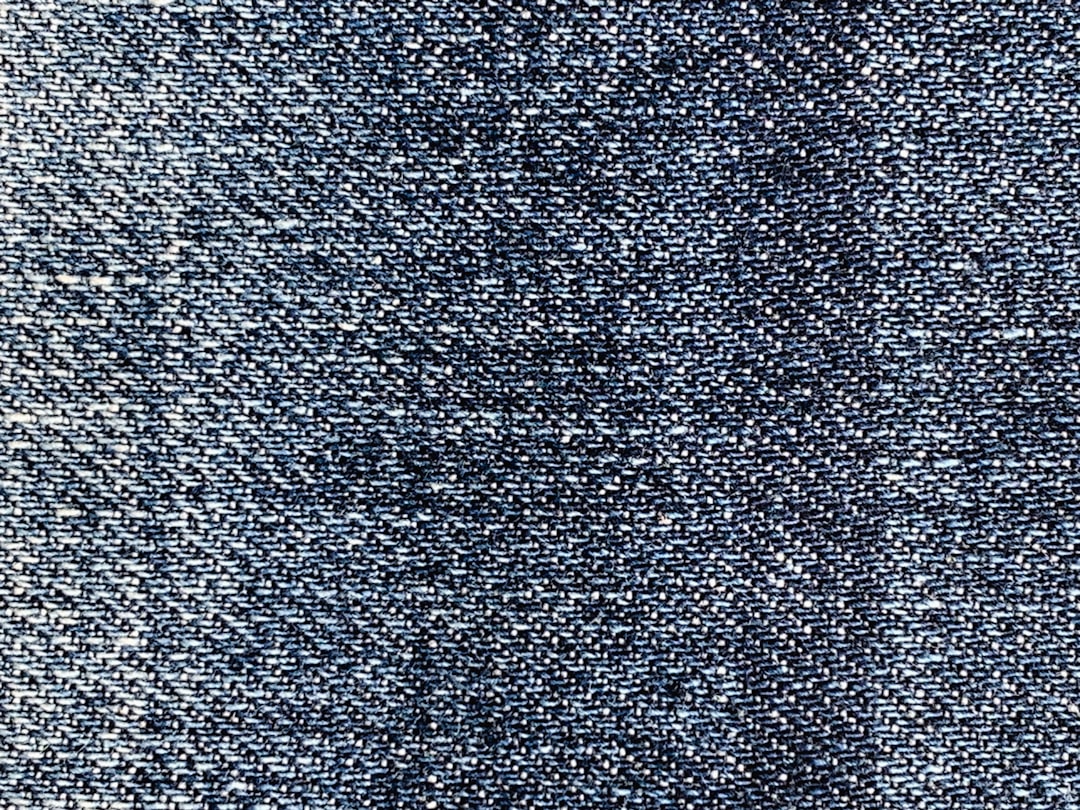
How to Grow Your Rigid Denim and Fade It Over a Year: A Styling Guide for Embracing Patina
From essential knowledge for beautifully growing rigid denim to enjoying fading over a year and scene-specific styling, this guide offers a thorough explanation. Cultivate your own unique pair.
by editorial
This article contains affiliate links. We may earn a commission at no extra cost to you.
How to Grow Your Rigid Denim and Fade It Over a Year: A Styling Guide for Embracing Patina
“I just bought rigid denim, how can I make it fade beautifully?” “How can I style my faded denim to make its patina even more attractive?”
If you’re grappling with these questions, this guide is for you. We’ll unravel the “how-to” of growing rigid denim and styling it, looking at it over the span of one year, to maximize its appeal. Let’s embark on a journey where denim is not just clothing, but a partner that imprints your personal history, allowing you to cherish its transformation.
1. Introduction: The Story Only You Can Tell with Rigid Denim
Rigid denim, also known as raw denim, is denim fabric in its unwashed, unsanforized state, still coated with sizing. By wearing it from this state, the wearer’s lifestyle and movements are etched into the fabric, creating a one-of-a-kind fade and texture.
However, many express uncertainty about how to wear it or when to wash it. The fading of rigid denim is significantly influenced not only by the fabric’s material and dyeing (“facts”) but also by how you “wear,” “pair,” and “grow” it through your “actions.”
This article covers everything from basic denim knowledge to styling according to the stages of aging over a year, and common mistakes to avoid. We’ll specifically explain how your rigid denim will change over time and how you can style it as it evolves.
Editor's picks: denim staples
【今だけ2%OFFセール】【日本製】リーバイス ビンテージ クロージング LEVI'S VINTAGE CLOTHING 501XX 1955モデル ジーンズ…View on Rakuten → 桃太郎ジーンズ クラシック テーパード 日本製フロントファスナー ワンウオッシュ MMJZ0201 1000円クーポン デニム 耳付き セルビッチ 送料無料…View on Rakuten →2. Essential Foundations: Understanding the “Facts” of Rigid Denim
To truly appreciate rigid denim, fundamental knowledge of its construction and materials is indispensable.
-
What is Rigid Denim?: This refers to denim fabric in its unwashed (non-wash) and sized state. In the first few wears and washes, the fabric will shrink, and the indigo dye will start to bleed, initiating the fading process. Through this process, the fabric’s inherent texture and three-dimensional quality emerge.
-
Indigo Rope Dyeing: The warp yarns of denim are dyed with indigo. This dyeing method results in a “White Core” characteristic, where the center of the yarn remains undyed. As you wear and friction causes the indigo on the fabric’s surface to fade, the white core becomes visible, creating a three-dimensional “fade.” This is the secret behind the deep, rich color loss unique to rigid denim.
-
Weave (Twill): The way denim fabric is woven also influences the expression of its fade.
- Right-Hand Twill (RHT): The common weave used by many brands, including Levi’s.
- Left-Hand Twill (LHT): A weave seen in brands like Lee. It tends to produce a different fading texture compared to RHT.
- Broken Twill: Introduced by Wrangler around 1964, this weave was designed to prevent the fabric from twisting. These different weaves subtly alter the fading pattern. Neither is inherently better or worse; they are enjoyed according to individual preference.
-
Selvedge: The edge of fabric woven on old-style shuttle looms is treated with a “selvedge” to prevent fraying. This part, commonly known as the “red line” (赤耳, aka-mimi), becomes a subtle accent when the hem is rolled up, further deepening the enjoyment of wearing and fading.
-
Ounce (oz): This unit indicates the weight of the fabric. Generally, a higher ounce number (e.g., 14oz or more) means a thicker, more substantial fabric that tends to develop prominent “whiskers” (アタリ, atari - wear marks). However, it can also feel stiff at the beginning. The ounce number influences how easily fades appear and the comfort of wear, but as brand and individual variations exist, it’s best to consider it as a guideline.
3. The Core of Styling: Criteria for “Pairing” to Maximize Fading
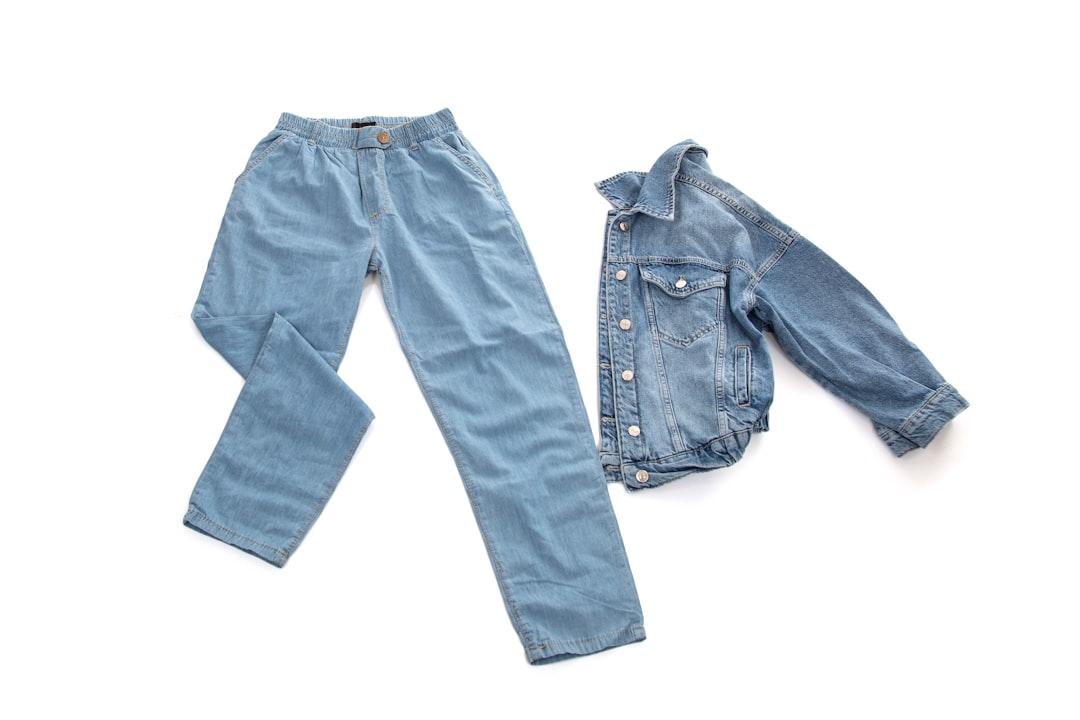
To bring out the best in rigid denim, a harmonious balance with tops, shoes, and accessories, along with styling appropriate for different settings, is crucial.
Key Criteria for Pairing
-
Tops: Due to their deep indigo color and rugged texture, rigid denim pairs well with a variety of tops.
- Deep Indigo Phase (up to a few months): In this phase, with minimal fading, it’s highly versatile and pairs well with any color or material of top, such as white t-shirts, shirts (oxford, chambray, etc.), sweaters, and hoodies. It adapts to a wide range of styles, from smart to casual.
- Intermediate Phase (color starts to develop): Once signs of whiskers and honeycombs appear, it’s recommended to choose tops that accentuate the denim’s character. For example, light-colored shirts or knits will make the denim’s fade stand out.
- Vintage Fade Phase (1 year onwards): In this phase, where high contrast fading is enjoyed, the denim itself becomes the centerpiece. For tops, opt for plain, basic items (white tees, henleys, simple shirts) and employ a “subtractive” styling approach to maximize the denim’s expression.
-
Shoes: Footwear significantly impacts the overall impression of an outfit.
- Smart / Trad: Lace-up boots, loafers, and leather shoes complement the classic vibe of rigid denim, lending an elegant impression.
- Casual / Work: Sneakers (canvas, leather) and work boots, or canvas shoes, emphasize the casual appeal of rigid denim. It’s good to consider the balance with areas that develop wear marks, such as the hem.
-
Accessories: Accessories like belts, bags, and hats not only add accent to an outfit but also influence the fading process.
- Belts: A classic leather belt can help develop wear marks around the waist area.
- Bags: The friction from the straps of shoulder bags or backpacks can also create unique fading patterns.
- Wallets / Smartphones: Carrying these in pockets can set creases in those areas, contributing to the formation of
whiskersand other wear marks.
-
Balancing for Different Scenes:
- Casual Scenes: The classic combination of t-shirts, sweatshirts, hoodies, and sneakers highlights the rough charm of rigid denim.
- Smart Scenes: Pairing with shirts, jackets, and leather shoes allows for an elegant way to wear rigid denim. Especially in its deep indigo phase, it can even be appropriate for business casual settings.
- Work / Military: Combining with heavy outerwear, boots, or work shirts emphasizes a tough and rugged impression.
4. Specific Styling Examples: Enjoying the Year’s Transformation
Here, we present specific styling examples that consider the aging of rigid denim.
1. Deep Indigo Phase (up to 3 months): Maximizing Versatility
- Items:
- Bottoms: Rigid Denim (Straight or Tapered)
- Top: White Plain T-shirt
- Outerwear: Navy Blazer or Beige Trench Coat
- Shoes: Brown Leather Loafers or White Leather Sneakers
- Objective: Rigid denim in this phase is still deeply indigo and has a firm texture. The contrast with a white t-shirt accentuates the denim’s darkness, while a blazer or loafers add a touch of sophistication. This is a fundamental clean-casual style. Switching to sneakers creates a more relaxed atmosphere. By keeping your wallet or phone in your pockets, you begin to set the creases through daily movements.
2. Intermediate Phase (3 months to 6 months): Signs of Fading and Emerging Individuality
- Items:
- Bottoms: Rigid Denim being worn (signs of whiskers and honeycombs starting to appear)
- Top: Light Blue Chambray Shirt or Grey Crewneck Knit
- Outerwear: Denim Jacket (with a different fade) or Olive Green Military Jacket
- Shoes: Black Suede Engineer Boots or Canvas High-Top Sneakers
- Objective:
Around the time signs of
whiskersappear at the crotch and precursors tohoneycombsare visible behind the knees. Items like chambray shirts and knits, which pair well with denim, accentuate the natural fading. Wearing boots adds a more masculine touch, while sneakers create an active vibe. This is around the time you might start considering the first wash, but the frequency depends on your lifestyle and desired fade.
3. Vintage Fade Phase (1 year onwards): Styling with Denim as the Star
- Items:
- Bottoms: Rigid Denim worn for over a year (with contrasting fades)
- Top: Natural (Off-White) Henley T-shirt or Black Plain T-shirt
- Outerwear: (If needed) Simple Leather Rider’s Jacket or Vintage-style Check Shirt
- Shoes: Worn-out Engineer Boots or Black Suede Chukka Boots
- Objective: When the fabric’s wear marks and fading are clearly visible, with立体 (rittai - three-dimensional) whiskers and honeycombs etched in. To maximize the inherent patina of the denim, keep tops extremely simple. A natural t-shirt gently envelops the faded appearance of the denim, while a black t-shirt further emphasizes its vintage quality. At this stage, the denim’s “character” is at its peak, making a “subtractive” aesthetic with minimal items highly effective.
5. Enjoying the Aging Process: The Relationship Between Wearing, Fading, Repair, and Styling
The aging of rigid denim is not merely a phenomenon of “getting dirty.” It is a “story” that imprints your lifestyle, actions, and love for the denim—a story that is uniquely yours.
-
The Importance of Wearing: For the first few weeks, wear the denim as much as possible in its sized, unwashed state. During this period, the creases formed by movements like sitting and standing are “memorized” by the fabric. These “memorized patterns” lead to the formation of sharp, three-dimensional
whiskersandhoneycombslater on. The habit of placing your wallet or phone in a fixed pocket also helps in developing wear marks. -
Timing of Washing: There are varying opinions on “when to wash,” and it greatly depends on individual preferences and lifestyles.
- For Deeper Fades and Higher Contrast: It’s common to reduce washing frequency and wash after wearing for an extended period. This allows the indigo to deeply penetrate the fabric and accentuates the contrast of the wear marks.
- For Uniform Fades and Softness: Washing every few months or when dirt becomes noticeable will result in a more uniform and softer fade. The first wash is generally considered to be when the denim has molded to your body shape and the crease “patterns” have set. When washing, it is commonly recommended to turn the jeans inside out, wash in cold water using a neutral detergent, and for a short duration. High-temperature drying in a dryer can lead to excessive shrinkage and fabric damage, so it’s advisable to avoid it.
-
Repair and Styling: Early repair is key to enjoying your denim for a long time.
- Wear on the Back of the Knees and Crotch: Areas like
honeycombsand whiskers are particularly prone to stress and wear. Once small holes begin to form, reinforcing them from the inside with a patch early on can minimize fabric tears and prolong their lifespan. - Coexisting with Wear Marks: Repairing may alter the fabric’s color, but this can become a unique “patina,” telling the denim’s history. In the vintage fade phase, even repair marks can be enjoyed as part of the styling.
- Wear on the Back of the Knees and Crotch: Areas like
6. Common Mistakes and Combinations to Avoid
Here are some pitfalls to be aware of when growing rigid denim, and combinations that might detract from its hard-earned fade.
-
Excessive Washing During the Early Wearing Phase: Washing too frequently in the initial wearing period out of a desire to “achieve a beautiful fade quickly” can reset the established crease “patterns,” making sharp fades (whiskers and honeycombs) less likely. Adjust the washing frequency based on the type of fade you aim for (contrast-focused or uniform fade).
-
Frequent High-Temperature Drying: Using a dryer at high temperatures for extended periods can cause the denim fabric to shrink excessively or damage the yarns. To preserve the fabric’s texture, air drying is recommended, and if using a dryer, use low heat for a short duration.
-
Underestimating Early Color Bleeding: Rigid denim tends to bleed indigo easily in the first few wears, potentially staining other items. Be cautious of color transfer to light-colored clothing, white sofas, or car seats during the first few weeks of wear.
-
Ignoring Tears Until They Become Large Holes: Leaving fabric wear or small holes unattended can cause them to grow, leading to large tears that are difficult to repair. This can result in high repair costs or make it challenging to maintain the denim’s original silhouette. Promptly addressing small frays or holes is the secret to making your denim last longer.
7. Conclusion: A Checklist for Growing Your Unique Denim
The relationship with rigid denim is perfectly described by the word “growing.” Following this guide, let’s cultivate your own special pair.
【Rigid Denim Growing & Styling Checklist】
-
Initial Wearing (First Few Weeks):
- □ Wear regularly in its unsanforized state.
- □ Be conscious of creating crease “patterns” through actions like sitting and standing.
- □ Place wallet or phone in a fixed pocket to encourage wear marks.
- □ Be mindful of color transfer to light-colored clothing and furniture.
-
Washing Timing (From 1-2 Months Onwards):
- □ Consider the desired fade style (contrast-focused or uniform fade).
- □ Determine washing frequency based on your lifestyle and preferences.
- □ When washing, turn inside out, use cold water and neutral detergent for a short duration (recommended).
- □ Avoid high-temperature drying.
-
Styling (Throughout the Year):
- □ Deep Indigo Phase (up to a few months): Leverage versatility and pair broadly, from smart to casual.
- □ Intermediate Phase (color starts to develop): As signs of whiskers and honeycombs appear, accentuate the denim’s character with tops and footwear.
- □ Vintage Fade Phase (1 year onwards): Make the denim’s fade the star and keep tops simple, focusing on “subtractive” styling.
- □ Adjust the balance with tops, shoes, and accessories according to the scene and your preference.
-
Maintenance:
- □ Pay attention to areas prone to wear like behind the knees and the crotch; repair small holes early.
- □ Do not leave tears unattended; repair them before they become large holes.
Rigid denim changes over time, imprinting your history. We hope this guide will help you enjoy that transformation more deeply and build a style that is uniquely yours.
Editor’s Picks: Denim Staples
Looking for a pair? Browse these staple denim picks.