Mastering Raw Denim Fades: The Mechanics Behind Honeycombs, Whiskers, Stacks, and Pocket Fades
A comprehensive guide to the mechanics of fades in raw denim aging. This buyer's guide covers everything from selecting jeans to nurturing them, and understanding how to achieve perfect honeycombs, whiskers, stacks, and pocket fades.
by editorial
This article contains affiliate links. We may earn a commission at no extra cost to you.
Mastering Raw Denim Fades: The Mechanics Behind Honeycombs, Whiskers, Stacks, and Pocket Fades
1. Introduction — What Story Will Your Jeans Tell?
“I chose raw denim, but I’m not getting the ‘fades’ I expected…” “How do I properly cultivate honeycombs and whiskers?” “Why do vintage jeans have that unique discoloration?”
The allure of raw denim lies in the unique “fades” that emerge through wear and tear – your personal story etched into the fabric. The one-of-a-kind expression, deeply reflecting the wearer’s lifestyle, is the ultimate joy for denim enthusiasts.
However, the mechanisms behind these fades and the ideal methods for nurturing them are surprisingly not widely understood. This article is designed for you, who harbor such questions and concerns, serving as a practical buyer’s guide that comprehensively covers everything from the basics of raw denim fades to their specific formation mechanisms, and how to choose and care for your jeans.
By understanding representative fade patterns like “honeycombs,” “whiskers,” “stacks,” and “pocket fades,” you can truly experience the joy of cultivating your own unique pair of jeans.
2. Fundamental Knowledge — Key Terms for Understanding “Fades”
To discuss “fades,” let’s clarify some important terms and concepts.
What are “Fades”?
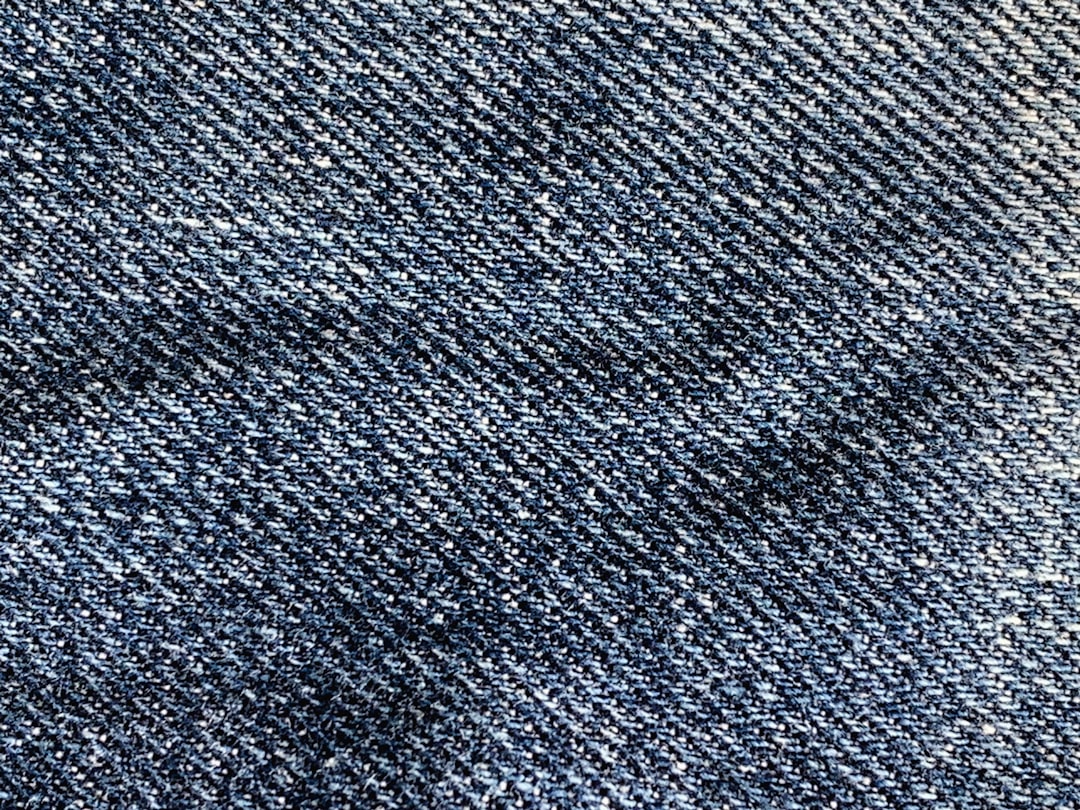
In the context of raw denim aging, “fades” refer to the contrast in color density created as the indigo dye on the fabric surface wears off through wear and washing, revealing the white warp yarns underneath. This results in a “one-of-a-kind” appearance that reflects the wearer’s lifestyle.
Raw Denim
Unprocessed denim fabric that has not undergone any factory washing or heat treatment. Because the indigo dye is not fully removed and the fabric’s texture is in its most natural state, it allows for maximum fading potential.
Ounce (oz)
A unit indicating the weight and thickness of denim fabric. Generally, around 14oz is considered easy for daily wear and conducive to fading. Heavy ounce (16oz and above) denim is more durable but tends to take longer to develop fades.
Weave
The way the denim fabric is woven significantly impacts how fades appear.
- Right Hand Twill (RHT): The most common weave, characterized by diagonal lines (twill lines) running from bottom left to top right. Indigo tends to sit more on the surface of the yarn, leading to brighter fades. (Example: Levi’s 501 XX)
- Left Hand Twill (LHT): Features diagonal lines running from bottom right to top left. Indigo penetrates deeper into the core of the yarn, often resulting in deeper, more shadowed fades. (Example: Lee 101)
- Broken Twill: The direction of the twill lines alternates throughout the fabric. This weave minimizes leg twist and creates uniform fading or a unique vertical fading effect. (Example: Wrangler 13MWZ, adopted after 1964)
Editor's picks: denim staples
【今だけ2%OFFセール】【日本製】リーバイス ビンテージ クロージング LEVI'S VINTAGE CLOTHING 501XX 1955モデル ジーンズ…View on Rakuten → 桃太郎ジーンズ クラシック テーパード 日本製フロントファスナー ワンウオッシュ MMJZ0201 1000円クーポン デニム 耳付き セルビッチ 送料無料…View on Rakuten →Dyeing (Dye)
Indigo dyeing is essential for denim aging.
- Rope Dyeing: This dyeing method doesn’t fully saturate the core of the yarn, leaving more indigo concentrated on the surface. As it wears off, it creates a vivid contrast of indigo.
Representative Fade Patterns
- Honeycomb: Fades appearing in a honeycomb pattern on the back of the knees.
- Whisker: Fades radiating outwards from the hip and groin area.
- Stack / Pile: Fades formed by the vertical creases that accumulate at the ankle and hem when the jeans bunch up.
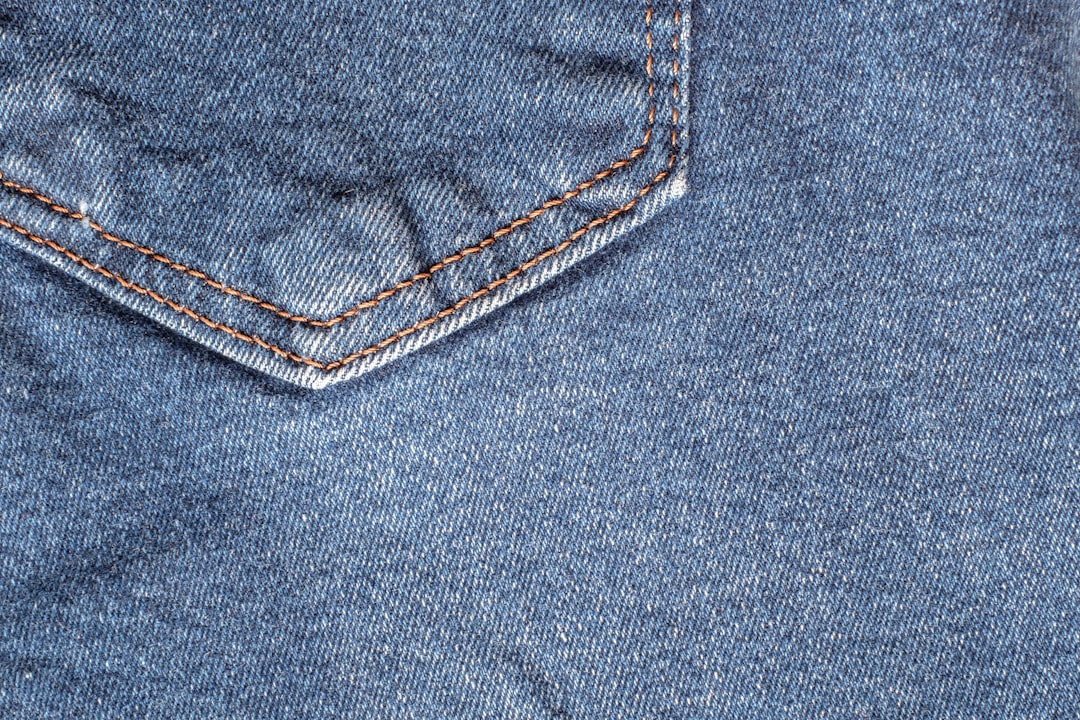
- Pocket Fade: Fades created around the pockets from the shape of items like wallets or smartphones carried within.
- Train Track: Line-like fades formed by friction along the edge of the fabric, particularly visible on selvedge denim where the seam is raised.
Note on Terminology: While “Honeycomb” and “Hachinosu” are often used interchangeably in Japanese denim culture to refer to the honeycomb pattern at the back of the knees, this article will consistently use Honeycomb. Similarly, fades around the pockets will be referred to as Pocket Fade / Wallet Fade, distinct from honeycombs.
3. Criteria for Judgment — Key Aspects for Selection and Evaluation
Choosing the right pair of jeans is crucial for cultivating ideal fades. Consider the following points:
Era, Brand, and Model
- Vintage Denim: Jeans from the 1940s-1960s often exhibit unique fade patterns that are difficult to replicate with modern reproduction brands. This is due to differences in fabric characteristics (weave, yarn quality, dyeing methods) from that era, as well as distinct wearing and washing habits.
- 1940s-1950s: Jeans like the Levi’s 501XX and Lee 101Z, made from heavyweight fabric and worn extensively, show robust and distinct honeycombs and whiskers. The 501XX from the era when hidden rivets were still present (
brand_facts.jsonLevi’s 501:hidden rivets (1937-1966)) also have characteristic fades around the coin pocket. - 1960s-1970s: The transition period leading to the
brand_facts.jsonLevi’s 501 entry’sBig E tab (1936-1971) → small e (1971-)and Wrangler’s adoption of broken twill (from 1964 onwards) influenced fade patterns.
- 1940s-1950s: Jeans like the Levi’s 501XX and Lee 101Z, made from heavyweight fabric and worn extensively, show robust and distinct honeycombs and whiskers. The 501XX from the era when hidden rivets were still present (
- Current Brands:
- Levi’s 501: Typically made with Right Hand Twill (RHT) 3x1 selvedge fabric (Cone Mills White Oak
circa 1915-2017,brand_facts.json), it tends to produce vibrant fades. 501s produced aftercinch back removed 1947feature two back pockets. - Lee 101 / 101Z: Often uses Left Hand Twill (LHT) 13.5-14 oz selvedge fabric (Canton Cotton Mills,
brand_facts.json), which tends to create deep, shaded fades. - Wrangler 13MWZ Cowboy Cut: Adopted broken twill from 1964 onwards. It eliminates leg twist and offers a unique, uniform vertical fade. Details like
scratchless / concealed rivetsare designed for rodeo use and also affect fade appearance.
- Levi’s 501: Typically made with Right Hand Twill (RHT) 3x1 selvedge fabric (Cone Mills White Oak
Details
- Selvedge: The woven edge of the fabric (selvedge) on the outseam is a mark of quality and also a factor in creating “train track” fades.
- Rivets and Stitching: The color and thickness of rivets and stitching on pockets and belt loops also influence how fades develop. As noted in
brand_facts.json, the presence of hidden rivets or Wrangler’sembossed W stitchcontributes to unique fade patterns.
Condition
- Raw Denim: Unwashed denim offers the most potential for crisp, high-contrast fades as it’s cultivated from its original state.
- One Wash: Jeans that have been washed once. While initial shrinkage is controlled, they may not achieve the same intense contrast as truly raw denim.
4. Specific Procedures and Care Flow — Practical Steps
4.1. Key Points for Selecting Jeans
- Choose Raw Denim: Start by selecting “raw denim.”
- Check Weave and Ounce: RHT generally leads to brighter fades, while LHT produces deeper ones. Around 14oz is a good balance for most.
- Understand Brand/Model Characteristics: Refer to “3. Criteria for Judgment” to select your preferred brand and model.
- Fit: A fit that suits your body type will also influence fade development, especially the tension of the fabric at the back of the knees and the crotch.
4.2. Cultivating Fades: The Cycle of Wearing and Washing
Fades are a reflection of your lifestyle. The basic principle is “wear and wash.”
- Initial Wear: For the first few months, wear the jeans daily without washing. This helps form natural creases (the foundation for whiskers, honeycombs, and stacks).
- First Wash: After a few months, or when visible dirt becomes a concern, perform the first wash.
- Detergent: Use a small amount of mild, neutral detergent. Avoid bleach or optical brighteners.
- Washing Method: Turn the jeans inside out and place them in a laundry bag. Wash gently in a washing machine or by hand. Vigorous scrubbing can distort fade patterns.
- Drying: Air dry inside out in a well-ventilated area, away from direct sunlight. Avoid using a dryer.
- Subsequent Cycles: After washing, repeat the cycle of wearing for several days before washing again. Adjust the frequency of wear and washing based on the desired intensity of fades. Generally, washing once every 5-10 wears is recommended (refer to
Heddels — How to Care for Raw Denim).
4.3. Tips for Developing Specific Fades
- Honeycombs: Consciously bend your knees while wearing. Actions like squatting or cycling create creases at the back of the knees, and friction develops the fades.
- Whiskers: Form naturally through daily actions such as sitting, crossing your legs, and walking, which cause friction in the hip area.
- Stacks / Pile: Adjust the inseam length so the jeans slightly bunch up at the ankles when wearing shoes. These accumulated vertical creases will set as stacks.
- Pocket Fades: Keep the items you carry in your pockets (e.g., wallet, smartphone) in the same position consistently. Fades are created by friction between the fabric and the pocket flap.
- Train Tracks: Choose selvedge jeans and wear them in a way that the raised edge of the outseam (selvedge) experiences friction.
4.4. Hemming Choice
The method of hemming also affects fades. As detailed in hemming-chain-stitch-guide.md (#78), chain stitch hemming creates a unique puckering effect, which can wear down to form rope-like, three-dimensional fades. Combined with stacks, this enriches the fade expression around the hem.
5. Common Mistakes and Pitfalls — Where Beginners Often Stumble and How to Cope
- Washing Too Frequently: Washing too often in pursuit of fades can lead to even indigo loss, weakening the contrast. Wash only when necessary (every few wears).
- Using a Dryer: Dryers can cause excessive shrinkage and overly aggressive indigo loss. Air drying is the standard.
- Incorrect Detergent Choice: Bleach or optical brighteners can cause uniform indigo fading and should be avoided.
- Giving Up Because “Fades Aren’t Appearing”: Fade development depends on many factors: lifestyle, fabric characteristics, washing methods, etc. It’s important to be patient and cultivate your jeans at your own pace.
- Choosing Jeans Unsuitable for Purpose: For example, choosing lightweight jeans for strenuous work can lead to premature fabric damage and prevent desired fades. Selecting an ounce and model appropriate for the intended use is important.
6. Recommended Brands and Models — Examples for Reference
Based on research data, here are examples of brands and models known for distinct fading characteristics.
| Feature/Brand | Levi’s 501 (1950s, RHT 3x1) | Lee 101 / 101Z (1950s, LHT 3x1) | Wrangler 13MWZ (Post-1964 Broken Twill Adoption) |
|---|---|---|---|
| Weave Type | Right Hand Twill (RHT) | Left Hand Twill (LHT) | Broken Twill (adopted after 1964) |
| Indigo Fading | Prone to vibrant fades | Deep, shadowed fades | Uniform fading with unique vertical texture |
| Honeycombs | Three-dimensional, sharp | Relatively soft | Blurred honeycombs |
| Whiskers | Sharp | Unique shadowing | Relatively soft |
| Stacks | Sharp | Relatively soft | Blurred stacks |
| Pocket Fades | Sharp | Soft | Unique |
| Fabric Supplier | Cone Mills White Oak (circa 1915-2017) | Canton Cotton Mills | (Details for 1964 broken twill onwards not specified in brand_facts) |
| Other Notes | hidden rivets (1937-1966), cinch back removed 1947 | back pocket rivets removed 1925, replaced by X-tack | scratchless / concealed rivets, embossed W stitch |
Please consider these as general tendencies. The fades on any individual pair of jeans will vary significantly based on how they are worn.
7. Conclusion — Checklist for Readers
Here is a checklist to help you master your own unique denim fades.
- 【Selection】
- □ Did you choose Raw Denim?
- □ Did you select jeans with your preferred weave type (RHT / LHT / Broken Twill) and ounce (around 14oz recommended)?
- □ Do you understand the characteristics of the chosen brand and model (e.g., Levi’s 501, Lee 101, Wrangler 13MWZ)?
- □ Do you have an appreciation for details like selvedge?
- 【Cultivation】
- □ Did you wear the jeans for a period before the first wash?
- □ Do you wash inside out, using neutral detergent, and gently?
- □ Do you air dry in the shade?
- □ Are you patiently continuing the cycle of wearing and washing?
- 【Fade Formation】
- □ Are you consciously bending your knees to cultivate honeycombs?
- □ Are you allowing friction in the hip area through daily actions to develop whiskers?
- □ Are you adjusting the bunching at the hem to cultivate stacks?
- □ Are you keeping the contents of your pockets consistent to develop pocket fades?
- 【Other】
- □ Have you considered chain stitch hemming?
- □ Have you chosen jeans appropriate for their intended use?
The fade patterns of raw denim are not merely discoloration; they are “works of art” etched by the wearer’s life, movements, and time itself. Distinctive fades like honeycombs, whiskers, stacks, pocket fades, and train tracks are your personal stories painted on the canvas of denim.
We hope this article contributes to a richer denim life. We encourage you to cultivate your own unique fades.
Sources:
- Heddels — Fade of the Day Series (raw denim fade gallery)
- Heddels — How to Care for Raw Denim (Washing and Aging Guide)
- Indigo Veins — Honeycombs, Whiskers, Stacks: A Guide to Denim Fades
data/canonical/brand_facts.jsonLevi’s 501 entrydata/canonical/brand_facts.jsonLee 101 / 101Z entrydata/canonical/brand_facts.jsonWrangler 13MWZ Cowboy Cut entry- Existing Article
data/published/ja/guide/hemming-chain-stitch-guide.md(#78 merged) - Existing Article
data/published/ja/history/sanforization-process-1928.md(#73 merged)
Notes:
- While the terms “pocket fade” and “honeycomb” are often conflated in denim culture, this article clearly distinguishes “Honeycomb” as the fade at the back of the knees and “Pocket Fade” as the fade around the pockets.
- Train track fades are characteristic of selvedge denim. Since Wrangler began phasing out selvedge after adopting broken twill in 1964, train tracks are primarily seen on selvedge models like Levi’s 501 and Lee 101 (depending on the specific model and era).
Editor’s Picks: Denim Staples
Looking for a pair? Browse these staple denim picks.
Related Articles
The Art of Denim Repair: Engraving Stories onto Your Beloved Jeans with Sashiko, Darning, and BORO
Keep your favorite jeans alive and make them one-of-a-kind. A practical guide to breathing new life into denim with the techniques of Sashiko, Darning, and BORO.
The Complete Guide to Raw Denim's First Wash/Soak: Understanding Starch Removal, Shrinkage Management, and the STF/No-Wash/One-Wash Trinity
A comprehensive guide to the crucial 'first soak' every raw denim owner faces. Covering starch removal, shrinkage control, and the choices between STF, No-Wash, and One-Wash, this article provides essential knowledge for cultivating your jeans.
Chain Stitch vs. Lockstitch Sewing Machine: The Traced Fades Etched by the Union Special 43200G.
Denim connoisseurs meticulously explain the differences between chain stitching and lockstitch sewing, focusing on the Union Special 43200G. A buyer's guide covering jeans selection, care, and how to discern quality.