Chain Stitch vs. Lockstitch Sewing Machine: The Traced Fades Etched by the Union Special 43200G.
Denim connoisseurs meticulously explain the differences between chain stitching and lockstitch sewing, focusing on the Union Special 43200G. A buyer's guide covering jeans selection, care, and how to discern quality.
by editorial
This article contains affiliate links. We may earn a commission at no extra cost to you.
Chain Stitch vs. Lockstitch Sewing Machine: The Traced Fades Etched by the Union Special 43200G.
Hello, fellow denim enthusiasts. As a denim connoisseur, today we’re diving deep into the art of “hemming” your jeans, exploring how the sewing method used for this crucial detail significantly impacts the denim’s character and, most importantly, its “fades.” Specifically, we will delve into the unique fade patterns etched by the Union Special 43200G, a machine revered for hemming vintage jeans. This guide is designed to be a practical resource for you to choose, nurture, and appraise your denim.
1. Introduction — The Challenges This Guide Addresses
“Hemming jeans, it’s all the same everywhere, right?” Do you think so? In reality, the very method of hemming can dramatically alter the appearance of your jeans.
- What’s the difference between “chain stitch” and “lockstitch sewing”?
- Is the “Union Special 43200G” truly that special?
- Why is chain stitching so highly valued for vintage jeans?
- Which sewing method has been used for my jeans?
- How can I best care for and develop the fades on my chain-stitched jeans?
We will answer these questions and provide assistance to help you understand and cherish your prized denim even more deeply.
Editor's picks: denim staples
【今だけ2%OFFセール】【日本製】リーバイス ビンテージ クロージング LEVI'S VINTAGE CLOTHING 501XX 1955モデル ジーンズ…View on Rakuten → 桃太郎ジーンズ クラシック テーパード 日本製フロントファスナー ワンウオッシュ MMJZ0201 1000円クーポン デニム 耳付き セルビッチ 送料無料…View on Rakuten →2. Foundational Knowledge — Organizing Related Terms and Concepts
First, let’s organize some key terms and concepts to understand the profound world of denim.
- Ounce (Oz): A unit of measurement for the weight and thickness of denim fabric. Generally, around 10 oz is considered lightweight, 13-14 oz is standard, and anything above is called heavy ounce. Higher ounces mean thicker, more durable fabric, but this also influences the speed and character of fades.
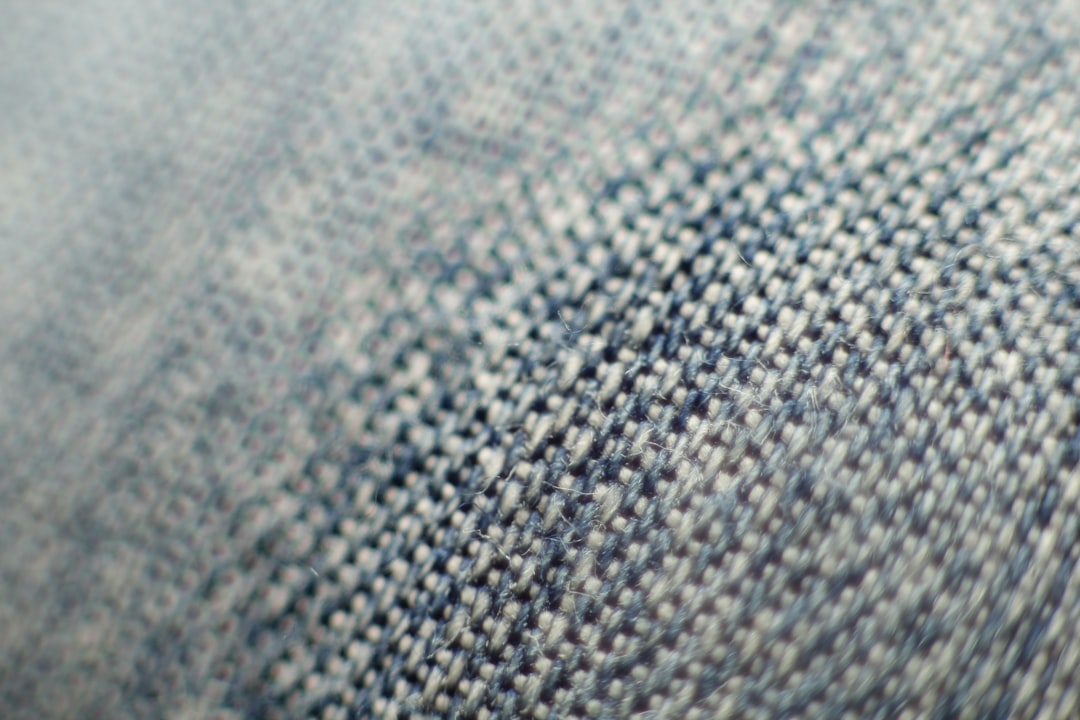
- Weave: The pattern of the fabric’s texture. The most common is “twill.” The distinctive “V-shaped” diagonal lines on the surface of jeans affect the fabric’s durability and how it ages.
- Dyeing: The Indigo Dye of denim is key to its “fading.” Indigo Dyeing typically uses “Rope Dyeing,” where the core of the yarn remains undyed, and only the surface is colored. This method allows the core to be revealed as the jeans are worn, creating unique shades and contrasts.
- Lockstitch Sewing Machine: This is the sewing method used by common household and industrial sewing machines. It involves two threads, one from the top and one from the bottom, interlocking within the fabric to form a seam, resulting in high strength and resistance to unraveling.
- Chain Stitch: This is a sewing method achieved with specialized machines, such as the Union Special 43200G. One or two threads form continuous loops to create the stitch. This structure produces characteristic puckering, leading to three-dimensional fades. Conversely, if a thread is pulled from the end, it can unravel in a chain reaction (the origin of the name “chain”).
3. Criteria for Judgment — Key Axes for Selection and Appraisal
When selecting jeans and discerning “the real deal,” several important criteria come into play.
3.1. Sewing Method: Chain Stitch or Lockstitch Sewing Machine?
This is the core of our discussion.
- Signs of Chain Stitch:
- Hem Appearance: You’ll see fine, wavy “puckering” along the seam.
- Fades: The raised parts of the puckering will fade first due to friction, creating a three-dimensional contrast where “the peaks are light, and the valleys are dark” (called “atari”). This occurs because the surface of the Indigo Dyed yarn experiences more abrasion due to the fabric’s unevenness.
- Thread Structure: If you pull one thread, it will unravel in a series of connected loops.
- Signs of Lockstitch Sewing Machine:
- Hem Appearance: The seam will be flat, with virtually no puckering. It results in a straight and clean finish.
- Fades: Due to the lack of puckering, it’s difficult to achieve the three-dimensional “atari” or contrast seen with chain stitches. Fades tend to be uniform across the fabric.
- Thread Structure: The interlocking of the upper and lower threads creates a structure that is resistant to unraveling.
3.2. Historical Value of the Union Special 43200G
The Union Special Corporation was an American sewing machine manufacturer founded in the 1880s. Particularly during the era when workwear manufacturing was booming, they developed numerous industrial sewing machines that combined durability and efficiency.
The 43200G, reportedly manufactured from around 1939 to 1989, is a single-needle chain stitch machine specifically designed for hemming jeans. This machine was widely adopted as the “de facto standard for jean hemming” in the denim industry at the time. In an era where durable and long-lasting clothing was in demand, hemming with the 43200G was a crucial element directly linked to the lifespan and cherished value of jeans.
3.3. Details and Condition
- Era: For vintage jeans, specific eras often show trends in the types of machines and sewing methods used. For instance, many secondary sources indicate that chain stitching was common for vintage-era (roughly mid-20th century) Levi’s 501s. However, some accounts suggest a shift to lockstitch machines for cost efficiency from the 1970s to 1980s onwards, so caution is advised when identifying specific decades.
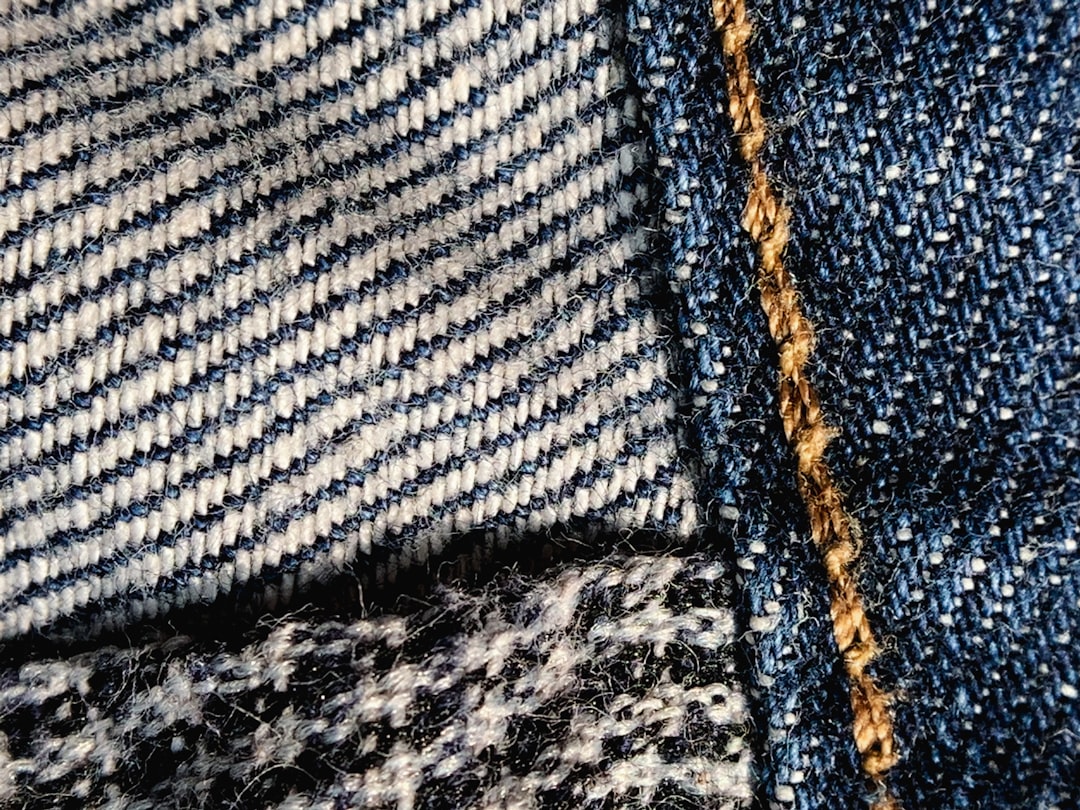
- Selvedge (Ear): The selvedge found at the edge of denim often features a distinctive finish when hemmed with a chain stitch, preserving its texture. In the vintage market, the presence of this “ear” can significantly increase the value.
- Repairs: Whether the hemming is original chain stitch or has been repaired later with lockstitch is also a crucial point in assessing the value of jeans.
4. Practical Steps and Care Routine
4.1. Checkpoints When Selecting Jeans
- Confirm the Hemming Method: First, examine the hem of your jeans. Check for puckering or if the seam appears three-dimensional.
- Look for “Chain Stitch” Indication: Verify if the specifications of the jeans you are considering explicitly state “chain stitch hemming.”
- Research Brand’s Commitment: Many replica brands intentionally use machines like the Union Special 43200G to recreate vintage aesthetics. Gather information from brand websites and retailers.
- Check for Selvedge and Its Treatment: If they are selvedge jeans, examine how the “ear” has been finished.
4.2. Caring for and Developing Fades on Chain-Stitched Jeans
Chain-stitched jeans require a bit of special care to bring out their unique fading characteristics to the fullest.
- First Wash: For new chain-stitched jeans, the puckering at the hem will become more pronounced after the first few washes. If using a washing machine, consider using a laundry net or washing them separately.
- Drying: Using a dryer can further enhance puckering and accelerate fading. However, excessive drying can damage the fabric, so use it moderately. Sun drying will create natural fades and a relaxed texture.
- Washing Frequency: The more frequently you wash your jeans, the faster they will fade. Adjust the washing frequency according to your preference.
- Be Mindful of Thread Ends: Due to their structure, chain stitches can unravel from the end. Check if the thread ends are securely backstitched during hemming. If they seem loose, consider consulting a professional repair service soon.
5. Common Mistakes and Pitfalls — Where Beginners Often Stumble and How to Cope
- Misconception: “Chain Stitch = Will Always Unravel”: While it’s true that they can unravel in a chain reaction, when hemming jeans today, if the thread ends are securely backstitched, it’s rare to encounter problems during daily wear.
- Over-Emphasis of Puckering: Excessive dryer use can lead to overly exaggerated puckering, fabric damage, or unintended fading.
- Repairing Vintage Jeans: If you wish to preserve the value of vintage jeans as “authentic,” repairing original chain-stitched hems with lockstitch can significantly diminish their worth. When requesting repairs, always choose a shop that can perform chain stitch hemming.
6. Recommended Brands and Model Examples
Many contemporary denim brands employ the Union Special 43200G to recreate vintage-style chain stitch hemming.
- Levi’s Vintage Clothing (LVC): Levi’s vintage line often features chain stitch hemming on certain lots to faithfully reproduce original specifications.
- FULLCOUNT, WAREHOUSE, Iron Heart, etc.: These brands are committed to vintage denim details and offer meticulous hemming, often using vintage machines like the 43200G.
Note: However, depending on the brand and model, lockstitch machines may be used due to historical accuracy or cost considerations. Always confirm specifications before purchasing.
7. Conclusion — A Checklist for the Reader
Chain stitching, particularly hemming with the Union Special 43200G, imparts a unique character and a “story” to your jeans. We hope this guide will enrich your experience in selecting and nurturing your denim.
Checklist for Selecting and Nurturing Jeans
- [ ] Have you confirmed the hemming method (chain stitch or lockstitch)?
- If chain stitch, you can expect puckering and three-dimensional fades.
- [ ] If it’s a chain stitch, are the thread ends securely finished?
- If they seem loose, consider consulting a professional.
- [ ] Have you envisioned how you want your jeans to “fade”?
- For three-dimensional contrast, chain stitch is recommended.
- [ ] For vintage jeans, what is the condition of the original chain stitch?
- If repairing, choose a shop that offers chain stitch hemming.
- [ ] Do you understand the “ounce,” “weave,” and “dyeing” of denim?
- These factors influence the fading characteristics.
- [ ] If they are selvedge jeans, does the finish of the ear suit your preference?
- It pairs well with chain stitch.
The fades etched by chain stitching are, in essence, your own unique story born from wearing your jeans. We sincerely hope you fully savor their charm.
Editor’s Picks: Denim Staples
Looking for a pair? Browse these staple denim picks.
Related Articles
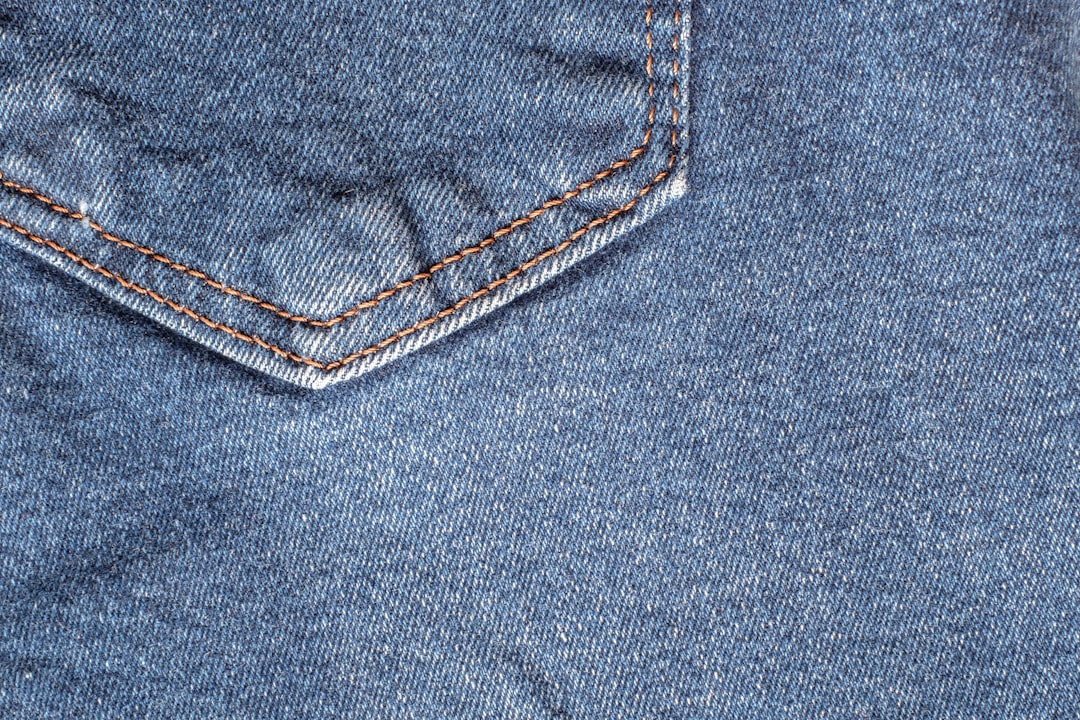
The Art of Denim Repair: Engraving Stories onto Your Beloved Jeans with Sashiko, Darning, and BORO
Keep your favorite jeans alive and make them one-of-a-kind. A practical guide to breathing new life into denim with the techniques of Sashiko, Darning, and BORO.
The Complete Guide to Raw Denim's First Wash/Soak: Understanding Starch Removal, Shrinkage Management, and the STF/No-Wash/One-Wash Trinity
A comprehensive guide to the crucial 'first soak' every raw denim owner faces. Covering starch removal, shrinkage control, and the choices between STF, No-Wash, and One-Wash, this article provides essential knowledge for cultivating your jeans.
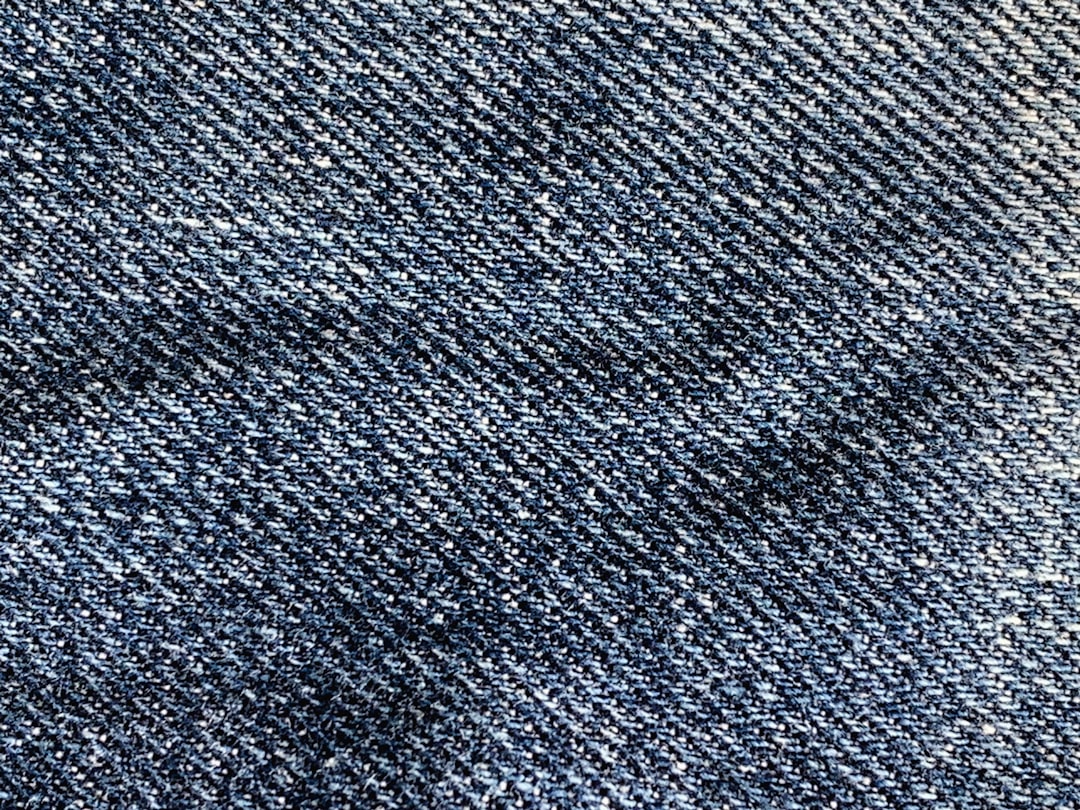
Mastering Raw Denim Fades: The Mechanics Behind Honeycombs, Whiskers, Stacks, and Pocket Fades
A comprehensive guide to the mechanics of fades in raw denim aging. This buyer's guide covers everything from selecting jeans to nurturing them, and understanding how to achieve perfect honeycombs, whiskers, stacks, and pocket fades.