The Art of Raw Denim: Care Techniques to Maximize Fades and Patina
From selecting raw denim to achieving the best patina through care and avoiding common mistakes, this is a practical buyer's guide for denim enthusiasts.
by editorial
This article contains affiliate links. We may earn a commission at no extra cost to you.
The Art of Raw Denim: Care Techniques to Maximize Fades and Patina
1. Introduction: Why Do Some Jeans “Age” So Beautifully?
Have you heard the term “Raw Denim”? These are jeans made from unwashed, un-cuffed denim fabric. By wearing and caring for them in their “raw” state, you can create unique “personal fades” and “honeycombs” that are truly one-of-a-kind.
However, many of you might wonder: “How should I choose raw denim?” “How do I even care for them?” “Will washing them ruin them?”
This guide is for you, the raw denim devotee. It covers everything from the criteria for choosing your next pair of jeans to specific care methods for achieving the best patina, and even common pitfalls to avoid. Let’s explore the profound world of raw denim together, from the moment of purchase through the “aging” process and how to appreciate it.
Editor's picks: denim staples
【今だけ2%OFFセール】【日本製】リーバイス ビンテージ クロージング LEVI'S VINTAGE CLOTHING 501XX 1955モデル ジーンズ…View on Rakuten → 桃太郎ジーンズ クラシック テーパード 日本製フロントファスナー ワンウオッシュ MMJZ0201 1000円クーポン デニム 耳付き セルビッチ 送料無料…View on Rakuten →2. Fundamental Knowledge: Keywords to Understand Raw Denim
To fully appreciate the allure of raw denim, it’s essential to understand its fabric and historical context. Let’s organize the key terms and concepts.
- Raw Denim (Rigid/Raw Denim): Denim fabric that is unwashed and still has its original sizing. As you wear them, the fabric softens, and unique wrinkles and honeycombs form according to the wearer’s body shape and movements.
- Aging (Aging/Patina): The changes in color and fabric texture that occur as raw denim is worn. This transformation is the greatest charm of raw denim, reflecting the wearer’s story.
- Ounce (oz): A unit indicating the weight of denim fabric, expressed as the weight per square yard. Generally, higher ounces mean thicker, heavier fabric with increased durability, but they can feel stiff initially.
- Twill Weave: The weave pattern of denim fabric. The most common is “Twill Weave.”
- Right-Hand Twill (RHT): A weave where the diagonal twill line runs upwards from left to right. Commonly seen in Levi’s.
- Left-Hand Twill (LHT): A weave where the diagonal twill line runs upwards from right to left. Often found in Lee jeans. This affects the fabric’s characteristics and fading patterns.
- Broken Twill: A weave pattern that alternates the direction of the twill lines. Wrangler uses this, and it’s said to reduce fabric twisting.
- Dyeing (Indigo Dye): The dyeing method significantly impacts denim fading.
- Rope Dyeing: A method where the yarn is dyed with indigo only on the surface, not to the core. As the jeans are worn, the white core becomes visible, creating unique and vibrant vertical fades. Modern denim may use dyeing methods that emphasize uniform fading and durability.
- Selvedge (Selvedge / Selvage): The self-finished edge of denim fabric designed to prevent fraying. “Selvedge denim” is often woven on old shuttle looms and is valued as a symbol of vintage appeal and craftsmanship. Originally, it was a way to prevent the fabric’s edges from unraveling.
- Hardware: The metal components used in jeans, including rivets, buttons, and zippers. Early models often featured distinctive materials and shapes, adding to their vintage aesthetic.
3. Selection Criteria: Identifying Your Perfect Pair
Here are the key factors for finding your ideal pair from the vast selection of raw denim.
How to Choose:
- Fabric Weight (Ounce) and Weave:
- Around 12oz–13oz: Relatively light ounces, offering less initial stiffness and softening more quickly. Recommended for those new to raw denim.
- 13.5oz–14oz and above: Offers a substantial feel and excellent durability. Suitable for those who want to enjoy a profound aging process and seek a pair that can withstand rugged use. While it requires patience and time to break in, deep fades and honeycombs can be expected.
- Right-Hand Twill (RHT) vs. Left-Hand Twill (LHT): RHT generally tends to produce vertical fades, while LHT is said to result in a more uniform fading experience. Broken Twill features unique twill lines and resistance to twisting.
- Fit (Silhouette):
- Choose a silhouette—straight, tapered, slim, etc.—that suits your body type and preferences. Raw denim naturally develops unique wrinkles as it softens and conforms to your body. Therefore, opting for a slightly looser fit initially, rather than a perfectly snug one, can lead to more natural honeycombs and whiskers.
- Details:
- Selvedge: Selvedge denim adds a distinctive accent when cuffed, exuding a vintage-like atmosphere.
- Button Fly vs. Zipper Fly: The iconic button fly of the Levi’s 501 is a factor contributing to its unique aging. Zipper flies offer easier wear.
- Hardware: The material and shape of rivets and buttons also contribute to the individuality of the denim.
- Brand and History:
- Historic brands like Levi’s, Lee, and Wrangler each exhibit different fading characteristics due to their unique fabrics and designs. For example, Levi’s 501xx is known for its vivid vertical fades, Lee 101/101Z for its three-dimensional honeycombs, and Wrangler 13MWZ for its uniform fading (※Based on research data).
How to Inspect (When Buying Used):
- Fabric Condition: Check for excessive fading or fabric abrasion. Knees, crotch, and pocket areas are particularly prone to wear.
- Stitching: Ensure seams are not frayed and threads are intact.
- Hardware: Inspect rivets and buttons for damage or significant deterioration.
- Patch: For some brands, the condition of the patch can also be an indicator of aging.
4. Detailed Steps & Care Routine: “Aging” Your Unique Pair
Raw denim is meant to be “aged.” Here are practical steps to enjoy the process and bring out the best patina.
Step 1: Purchase to the First Few Weeks (Break-in Period)
- Avoid Washing as Much as Possible: This is the most crucial point. For the first few weeks to months (varying by individual), wear the jeans daily without washing them even once.
- Wear Them In: Force natural wrinkles into the fabric through everyday actions like walking, sitting, and bending. Focus on creating creases behind the knees (for honeycombs) and in the crotch (for whiskers).
- Shape Them: Putting items in pockets to create shape or adjusting your sitting posture can lead to more three-dimensional fades.
Step 2: The First Wash (Timing is Based on “Patience” and “Necessity”)
- Timing: From one month to six months, or even longer (depending on usage frequency). When visible dirt becomes noticeable, or when the odor becomes a concern, are good indicators.
- Washing Method:
- Turn Inside Out: Always turn the jeans inside out to ensure even fading and minimize fabric damage.
- Use Cold Water: Hot water accelerates color loss and can damage the fabric.
- Use Mild Detergent: Choose a detergent without bleach or optical brighteners. A small amount is sufficient.
- Hand Washing (Ideal): This is the gentlest method for the fabric and allows for the most control over fading. Gently agitate and rinse thoroughly.
- If Using a Washing Machine: Select the delicate cycle (Delicate Cycle) and use a laundry net.
- Short Spin Cycle: Limit the spin to 1 to 3 minutes. Prolonged spinning can stress the fabric.
Step 3: Drying
- Air Dry: After washing, hang the jeans to dry in a well-ventilated area, out of direct sunlight. You can use a hanger or lay them flat.
- Tumble Drying (Not Recommended): This can cause significant shrinkage and damage to the fabric. If you must use a dryer, do so on a low heat setting for a short time.
Step 4: Ongoing Maintenance
- Washing Frequency: The ideal is “as minimally as necessary.” Wash them using the above method only when they are dirty or smell.
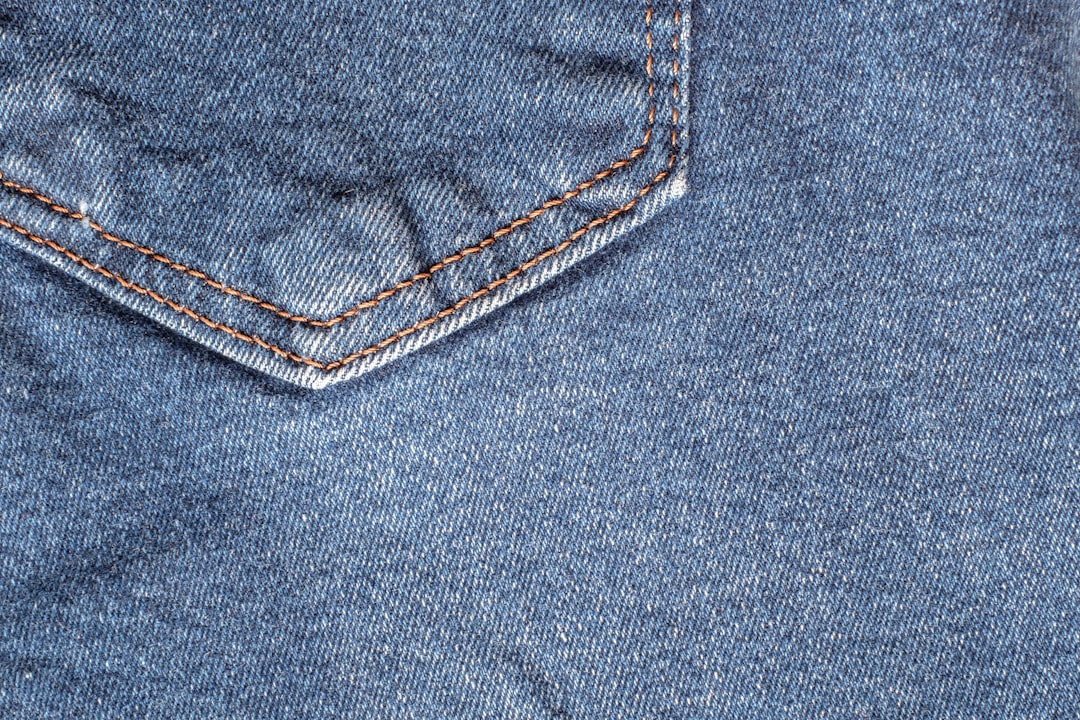
- Tears and Fraying: Areas like the knees, crotch, and pocket corners are prone to wear. If you notice small fraying or tears, getting them repaired promptly can extend the life of your jeans. Consider chain stitching for hemming to maintain a vintage look.
- Color Transfer: Raw denim is prone to bleeding, so be mindful of color transfer to other clothes during washing or wear, especially in the early stages.
- Storage: If you plan to store them for an extended period, keep them in a cool, dry, well-ventilated place. Avoid long-term storage in airtight containers to prevent mold.
5. Common Mistakes and Pitfalls: Where Beginners Often Stumble
When “aging” raw denim, there are common mistakes and pitfalls that many people might experience. Knowing these in advance can lead to a smoother aging process.
- “Washing Too Soon”: This is the biggest factor that compromises the unique “patina” that is the greatest appeal of raw denim. It washes out the sizing and creates uniform fading, making it harder to achieve distinctive fades and honeycombs.
- “Washing with Hot Water”: Heat rapidly removes indigo dye and causes the fabric to shrink. Always use cold water.
- “Washing Too Frequently”: Each wash removes indigo and wears down the fabric. Remember the guideline of washing only when “dirty or smelly” and avoid over-washing.
- “Excessive Use of the Dryer”: Tumble drying raw denim can cause more shrinkage than expected and damages the fabric. Air drying should be the primary method.
- “Ignoring Color Transfer”: Dark raw denim, in particular, can easily transfer color to white tops or bags. Be very careful during wear and washing.
- “Wearing Until They Rip”: If you wait until areas like the knees or crotch are significantly torn before seeking repairs, it might become difficult to repair depending on the condition. The secret to making your jeans last longer is to consult a professional for minor fraying or tears early on.
6. Recommended Brands and Models (Within Research Scope)
The world of raw denim is vast, with numerous brands and models. Here, based on research data, we introduce some representative brands and their characteristics.
| Brand/Model Examples | Characteristics
Editor’s Picks: Denim Staples
Looking for a pair? Browse these staple denim picks.
Related Articles
The Art of Denim Repair: Engraving Stories onto Your Beloved Jeans with Sashiko, Darning, and BORO
Keep your favorite jeans alive and make them one-of-a-kind. A practical guide to breathing new life into denim with the techniques of Sashiko, Darning, and BORO.
The Complete Guide to Raw Denim's First Wash/Soak: Understanding Starch Removal, Shrinkage Management, and the STF/No-Wash/One-Wash Trinity
A comprehensive guide to the crucial 'first soak' every raw denim owner faces. Covering starch removal, shrinkage control, and the choices between STF, No-Wash, and One-Wash, this article provides essential knowledge for cultivating your jeans.
Mastering Raw Denim Fades: The Mechanics Behind Honeycombs, Whiskers, Stacks, and Pocket Fades
A comprehensive guide to the mechanics of fades in raw denim aging. This buyer's guide covers everything from selecting jeans to nurturing them, and understanding how to achieve perfect honeycombs, whiskers, stacks, and pocket fades.