Your Definitive Guide to Choosing Your First Selvedge Denim
This comprehensive guide will support your first selvedge denim purchase, covering everything from material selection and brands to care, solving all your jeans-buying dilemmas.
by editorial
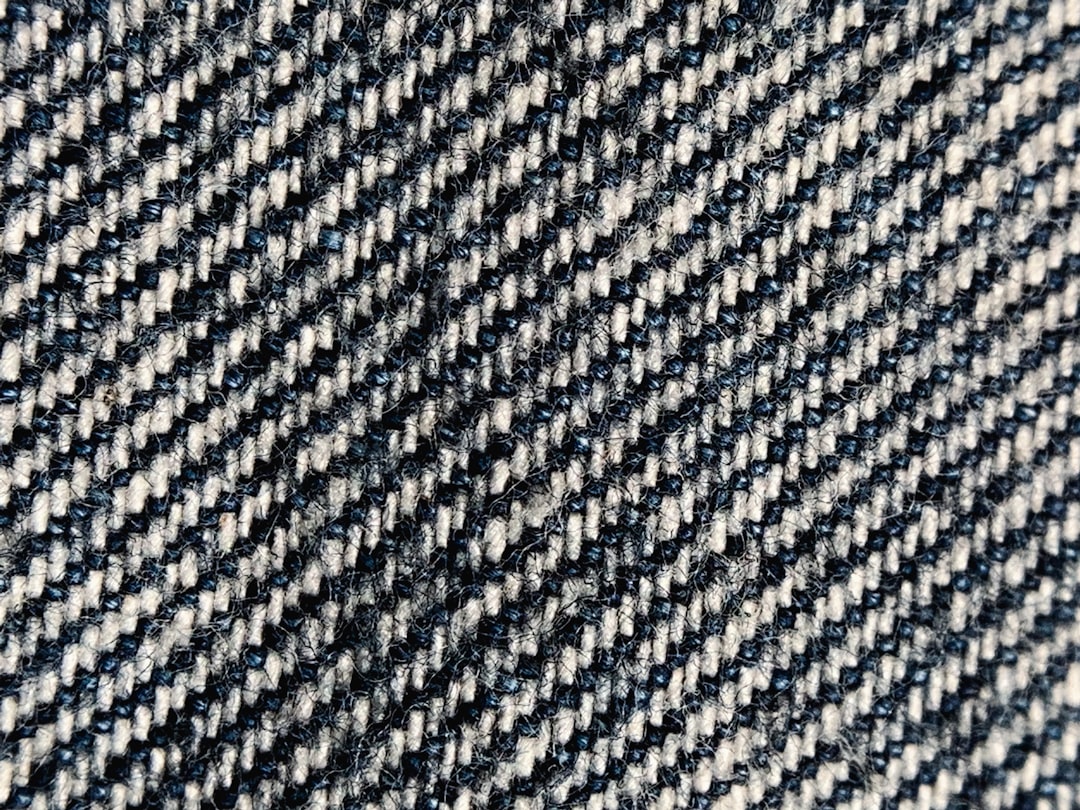
This article contains affiliate links. We may earn a commission at no extra cost to you.
Your Definitive Guide to Choosing Your First Selvedge Denim
Have you heard the term “selvedge denim”? It’s a phrase that holds a special resonance among denim enthusiasts. But for those buying for the first time, what exactly makes it special, and how should you choose it? You might have many questions.
- “What’s the real difference with selvedge?”
- “How should I choose the weight (ounce)?”
- “Right-hand twill? Left-hand twill? How does the weave affect things?”
- “Levi’s, Lee, Wrangler… which one is right for a beginner?”
- “How do I care for raw denim?”
If these are your concerns, this guide is for you. From the basics of selvedge denim to concrete criteria for selection and methods for long-term care, I will provide a thorough explanation as both a denim connoisseur and a practical buyer’s guide author. After reading this article, you should be able to confidently choose and cultivate your first pair of selvedge denim jeans.
1. Understanding the “Specialness” of Selvedge Denim: The Basics
Let’s start by organizing the terms and concepts behind why selvedge denim is considered special.
What is Selvedge?
“Selvedge” is derived from “self-edge” and refers to the finished edge of a fabric. This edge is created when fabric is woven on old-fashioned shuttle looms, where the threads are automatically turned back to prevent fraying. High-speed looms cut the fabric during production, so they do not produce this self-edge.
Why is Selvedge Denim Special?
- The “Edge”: The most distinctive feature of selvedge denim is its “edge.” When you roll up the hem of your jeans, the red selvage (often woven with red or white threads) acts as an accent, becoming a status symbol of sorts.
- Unique Texture: Woven slowly on a shuttle loom, the threads are not put under undue tension, resulting in a fluffy, unique texture.
- Patina (Aging): Selvedge denim is often sold as “Raw Denim,” meaning it’s in an unfinished state with sizing applied. As you wear it, it conforms to your body and develops dynamic fades and honeycombs (areas where color has faded and fibers have softened due to friction). This process of “cultivating” your jeans is arguably the greatest appeal of selvedge denim.
This guide aims to present selection criteria for materials, focusing on “weight (ounces)” and “weave,” as well as reliable “brands” and “models,” specifically for those purchasing selvedge denim for the first time.
Editor's picks: denim staples
【今だけ2%OFFセール】【日本製】リーバイス ビンテージ クロージング LEVI'S VINTAGE CLOTHING 501XX 1955モデル ジーンズ…View on Rakuten → 桃太郎ジーンズ クラシック テーパード 日本製フロントファスナー ワンウオッシュ MMJZ0201 1000円クーポン デニム 耳付き セルビッチ 送料無料…View on Rakuten →2. Understanding Denim “Weight”
The thickness and density of denim fabric are measured in “ounces (oz).” One ounce is approximately 28.35 grams. This ounce rating significantly impacts the comfort and aging of your jeans.
Representative Weight Categories and Their Characteristics
-
Lightweight (Up to ~11oz):
- Characteristics: Extremely soft and light, making it ideal for spring and summer. It drapes well and offers comfortable wear from the start.
- Patina: Tends to fade and develop soft wear marks relatively quickly.
- Examples: Some vintage replicas, light ounce replica models.
-
Midweight (~12-14oz):
- Characteristics: The most common weight, offering excellent balance for all seasons. It’s neither too thick nor too thin, and many brands utilize this range.
- Patina: Even and substantial fading and wear marks can be expected.
- Examples:
- Levi’s 501XX (Cone Mills White Oak): Approximately 12oz or 13oz
- Lee 101: Approximately 13.5oz-14oz (LHT)
- Wrangler 13MWZ (original 1947): While the exact weight isn’t always specified for the regular twill, it’s generally considered around 13-14oz.
-
Heavyweight (15oz~):
- Characteristics: Extremely durable and characterized by a rugged texture. The fabric is stiff and requires a break-in period, but in return, it offers a uniquely dynamic aging process.
- Patina: Fading and wear marks appear gradually over time. The strong stiffness of the fabric creates a three-dimensional appearance.
- Examples: Many Japanese brands, limited edition models.
How Weight Affects Patina
- Lightweight: Softer, fades faster, and tends to develop a more overall faded appearance.
- Midweight: Balanced fading. Wear marks also appear relatively clearly.
- Heavyweight: Due to the stiffness of the fabric, areas prone to wear marks will be distinct, while other areas will fade more slowly, resulting in high-contrast patina.
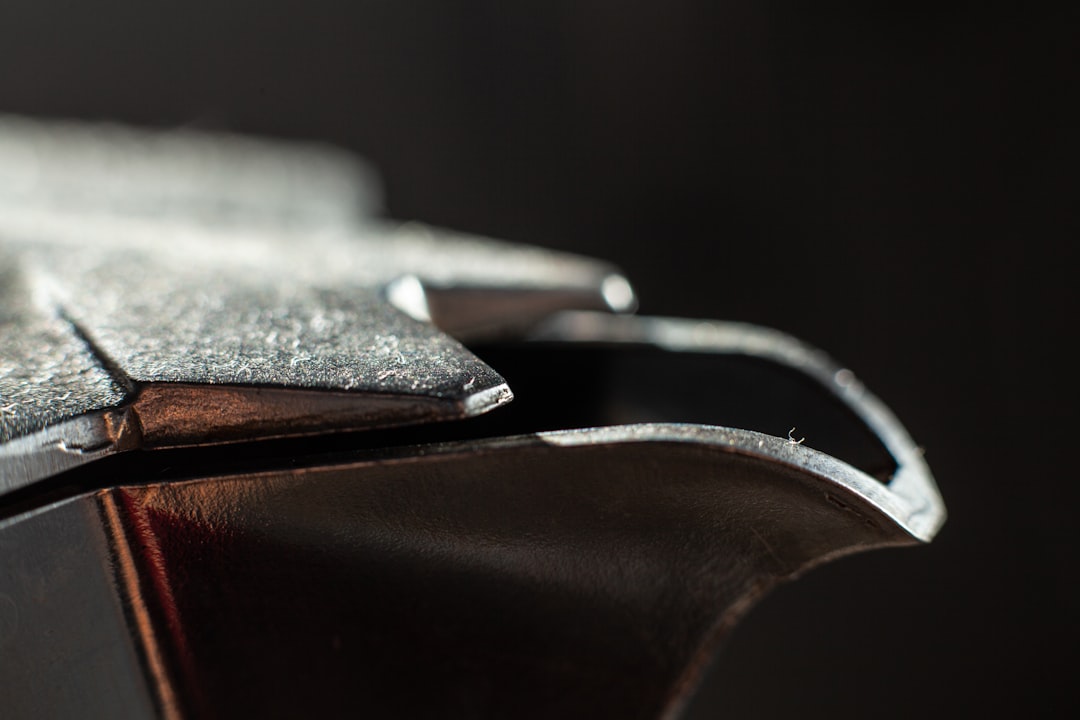
3. Understanding Denim “Weave” (Twill)
Denim fabric is characterized by its diagonal ridges, known as “twill weave.” The direction of these twill lines affects the fabric’s texture and how it fades.
Three Main Types of Twill Weave
-
Right-Hand Twill (RHT)
- Characteristics: The most common type, where the diagonal lines run from lower left to upper right. The fabric surface is relatively smooth, and it tends to feel stiff at the beginning of wear. Fading is said to appear relatively evenly.
- Brand Association: Levi’s 501XX (especially those made by Cone Mills White Oak). Cone Mills White Oak, which was Levi’s primary supplier for 501 selvedge denim from circa 1915 to 2017, predominantly used RHT.
-
Left-Hand Twill (LHT)
- Characteristics: The diagonal lines run from lower right to upper left. Compared to RHT, the fabric is softer and conforms to the skin more easily from the start. The way it fades is said to be different from RHT, creating a unique faded look (sources differ).
- Brand Association: Lee 101 / 101Z. Made by Canton Cotton Mills.
-
Broken Twill
- Characteristics: Introduced by Wrangler in 1964. The twill lines, which normally run in a single direction, are reversed at regular intervals, creating a herringbone-like “broken” structure. This structure was developed to reduce leg twist. Unlike LHT or RHT, it doesn’t have clearly defined diagonal lines but appears zigzag. It’s less prone to twisting and fades relatively evenly.
- Brand Association: Wrangler 13MWZ. Used in models from 1964 onwards. (The original model released in 1947 featured regular twill.)
How Weave Affects the Appearance of Patina
- RHT: Even fading, distinct wear marks.
- LHT: Soft fading, unique faded appearance.
- Broken Twill: Less twisting, even, and relatively soft fading.
4. Brand-Specific Choices for Your First Selvedge Denim
If you’re stepping into the world of selvedge denim, it’s important to know the major brands that have shaped the history of jeans and their iconic models.
Levi’s 501 (XX/Shrink-to-Fit)
- Historical Background: The origin traces back to the work pants patented by Davis & Strauss in 1873. The lot number “501” was adopted in 1890. From circa 1915 to 2017, Cone Mills White Oak was Levi’s primary supplier for 501 selvedge denim.
- Characteristics: The quintessential, universal design of jeans. Key features include the button fly, rivets, cinch back (until 1947), hidden rivets (1937-1966), Big E tab (1936-1971), and arcuat stitch (decorative stitching on the back pockets).
- Why it’s Recommended for Beginners: Due to its timeless design and the potential for diverse patina, it’s one of the most recommended models for a first pair of selvedge denim.
- Points to Note: “Shrink-to-Fit” (Unsanforized) models will shrink significantly when washed. You need to choose a size that accounts for shrinkage based on your body type. Conversely, “Sanforized” (pre-shrunk) models have reduced shrinkage.
Lee 101 (Riders/101Z)
- Historical Background: H.D. Lee Mercantile Company released the “101 Cowboy Pants” in 1924. Around 1926 (Lee’s own Facebook cites 1927; sources differ), the “101Z” with a zipper fly was introduced — a groundbreaking development that predated Levi’s 501Z (1954) by more than a quarter century.
- Characteristics: Uses Left-Hand Twill (LHT) denim. Features include X-tack (pocket reinforcement, from 1925), Lazy S stitch (back pockets), and the transition from leather patches to glassine paper patches (1950s).
- Why it’s Recommended for Beginners: Its appeal lies in the unique soft texture and distinctive fading from LHT, its historical precedence as an early zipper fly model, and its relaxed fit.
- Points to Note: Models like the “101B” (button fly) and “101Z” (zipper fly) have different fits and details.
Wrangler 13MWZ (Cowboy Cut)
- Historical Background: In 1947, Blue Bell launched the “13MWZ,” designed specifically for professional cowboys.
- Characteristics: While the original 1947 model featured regular twill (with characteristics between RHT and LHT), it adopted broken twill in 1964. Features include fabric-covered rivets to protect saddles (unlike Levi’s), W stitching on back pockets, and a zipper fly (from its initial release).
- Why it’s Recommended for Beginners: Its appeal lies in its association with cowboy culture, practical details, and the unique leg-twist-resistant properties of its broken twill.
- Points to Note: The “13MWZ” is the representative model of the Cowboy Cut. The “11MWZ” was a slimmer model introduced later.
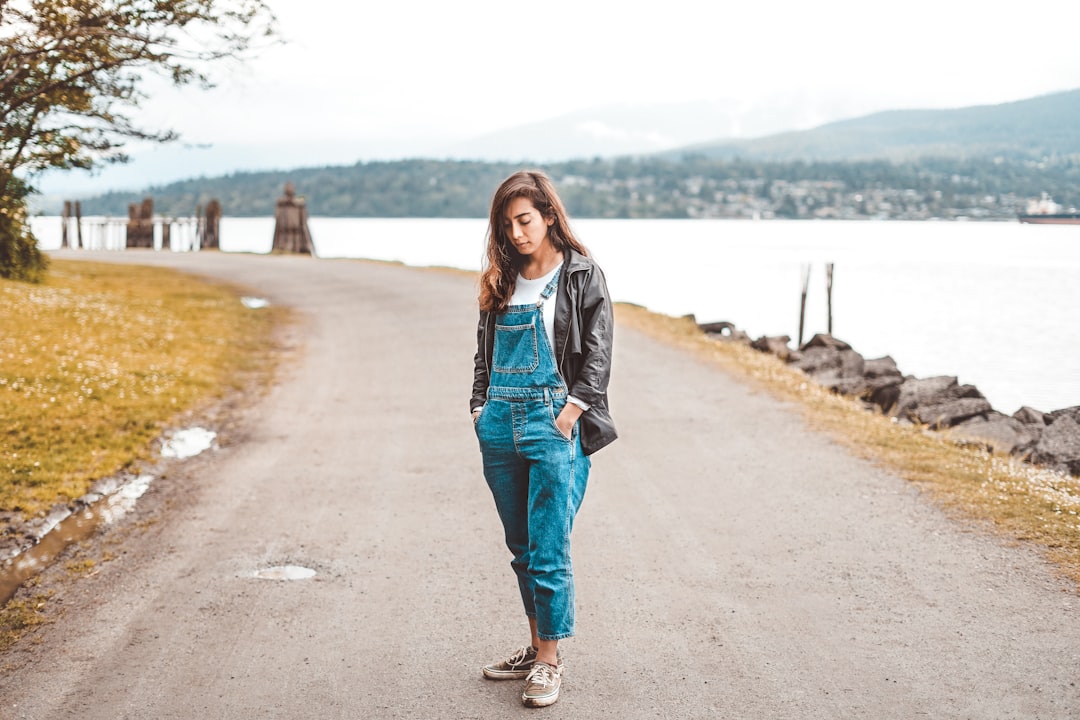
5. Other Important Elements: Fabric Finishing, Details, and Brand Philosophy
Beyond brands and models, fabric finishing and fine details, as well as a brand’s philosophy, are crucial factors in choosing denim.
-
Dyeing:
- The blue of denim comes from indigo dye. Traditional “rope dyeing” doesn’t fully penetrate the yarn core, leaving the outer layers darker. This results in unique fading patterns over time. “Sulphur dyeing” results in more uniform dyeing, leading to a different fading character.
- The depth of indigo dyeing (lightness or darkness) greatly influences the speed and character of fading. Deeper dyed jeans offer a longer, more gradual fading experience.
-
Finishing:
- Raw Denim / Unsanforized: Unprocessed with sizing still on. Offers the most dynamic patina potential but will shrink significantly when washed.
- Sanforized: Fabric is pre-shrunk using machinery. Shrinkage is reduced, but some argue that the unique texture of raw denim is somewhat diminished.
- One Wash: Washed once. Suitable for those who want to reduce the initial shrinkage and fading of raw denim to some extent.
- Stone Wash, Damage Processing, etc.: These are treatments to achieve a vintage look and fall outside the scope of this “first selvedge denim” guide.
-
Hardware:
- Buttons, Rivets: The material (copper, brass, etc.) and stamping, as well as durability, contribute to the jeans’ individuality.
- Zippers: Reputable brands like Talon and Scovill offer durability and smooth operation.
-
Stitch:
- Chain Stitch: Commonly used for hemming, it creates unique puckering (texture of raised fabric) as the jeans are washed repeatedly.
- Back Pocket Stitch: Levi’s Arcuate, Lee’s Lazy S, Wrangler’s W Stitch, etc. Each brand has its distinctive design.
-
Fit:
- Various fits exist, including Straight Leg, Tapered, and Slim Fit. Choosing the optimal fit is crucial for your body type, everyday style, and intended wear occasions.
-
Brand Philosophy and Reliability:
- Brands like Levi’s, Lee, and Wrangler, which uphold tradition, are synonymous with the history of jeans.
- In recent years, Japanese brands have also produced numerous high-quality selvedge denims with meticulous attention to material and craftsmanship (e.g., Full Count, Denime, EternaL, The Flat Head, Studio D’Artisan). These brands follow traditional methods while adding modern interpretations.
6. Summary: How to Choose Your First Selvedge Denim
Now, based on this knowledge, let’s look at the concrete steps for actually choosing your first pair of selvedge denim.
Step 1: Clarify Your Purpose First, consider what you are looking for in selvedge denim.
- Do you want to wear them casually every day?
- Do you want to enjoy unique fading and wear marks over time?
- Do you want to match them with a specific style (vintage, workwear, etc.)?
Step 2: Choose Weight and Weave
- For comfortable wear in all seasons: Midweight (12-14oz) is recommended.
- For a soft feel and unique fading: Consider models with Left-Hand Twill (LHT).
- For durability and dynamic patina: Challenge yourself with heavyweight (15oz~).
Step 3: Narrow Down Brands and Models
- To start with the quintessential jeans: Levi’s 501XX.
- To enjoy a distinctive texture: Lee 101Z.
- For practicality and unique details: Wrangler 13MWZ.
Step 4: Try Them On for Fit If possible, it’s best to try them on in a physical store. When buying online, carefully read the size charts and refer to model photos.
Step 5: Decide on Finishing (Raw Denim or One Wash)
- To maximize your patina experience and embrace shrinkage: Raw Denim (Unsanforized).
- To somewhat control shrinkage while still enjoying patina: One Wash.
7. Conclusion: Your Checklist
How did you find this guide to choosing your first pair of selvedge denim? I hope it serves as a compass for your jeans selection. Finally, here is a checklist of points to consider before purchasing.
【First Selvedge Denim Purchase Checklist】
- Have you clarified your purpose (daily wear, patina, etc.)?
- Have you chosen your preferred weight (up to
11oz, 12-14oz, 15oz)? - Do you understand the characteristics of the weave (RHT, LHT, Broken Twill) and have you made a choice?
- Have you compared and considered the representative models of brands (Levi’s, Lee, Wrangler, etc.)?
- Does the fit (Straight Leg, Tapered, etc.) suit you? (Trying on recommended)
- Do you understand the characteristics of the finishing (Raw Denim, One Wash, etc.) and have you made a choice?
- Do you understand the existence and meaning of the selvedge (edge)?
- For Raw Denim, have you chosen a size that accounts for shrinkage upon washing?
Comparison Table: Representative Models of Classic Brands (Circa 1950s)
| Feature | Levi’s 501XX (circa 1950s) | Lee 101Z (circa 1950s) | Wrangler 13MWZ (circa 1950s) |
|---|---|---|---|
| Weave | Right-Hand Twill (RHT) | Left-Hand Twill (LHT) | Regular Twill (pre-1964) |
| Weight | ~12-13oz | ~13.5-14oz | ~13-14oz |
| Fly | Button Fly | Zipper Fly | Zipper Fly |
| Back Pocket Stitch | Arcuate | Lazy S | W Stitch (Embossed) |
| Rivets | Copper, Hidden (1937-1966) | Copper, Exposed (X-tack) | Covered (for saddle) |
| Patch | Leather Two Horse (until 1955) | Leather -> Glassine Paper | Leather -> Paper |
| Era of Focus | Post-WWII, classic | Early Zipper Fly | Rodeo/Cowboy practical |
(Note: The specific details and models compared are representative of their respective eras, and exact specifications can vary. For example, the 501XX in the 1950s was evolving from the pre-war models towards the post-war configurations).
Selvedge denim is more than just clothing; it’s a partner that will record your history and grow with you. Using this guide, find your own special pair and experience the joy of owning them for a long time.
Editor’s Picks: Denim Staples
Looking for a pair? Browse these staple denim picks.
Related Articles
The Art of Denim Repair: Engraving Stories onto Your Beloved Jeans with Sashiko, Darning, and BORO
Keep your favorite jeans alive and make them one-of-a-kind. A practical guide to breathing new life into denim with the techniques of Sashiko, Darning, and BORO.
The Complete Guide to Raw Denim's First Wash/Soak: Understanding Starch Removal, Shrinkage Management, and the STF/No-Wash/One-Wash Trinity
A comprehensive guide to the crucial 'first soak' every raw denim owner faces. Covering starch removal, shrinkage control, and the choices between STF, No-Wash, and One-Wash, this article provides essential knowledge for cultivating your jeans.
Mastering Raw Denim Fades: The Mechanics Behind Honeycombs, Whiskers, Stacks, and Pocket Fades
A comprehensive guide to the mechanics of fades in raw denim aging. This buyer's guide covers everything from selecting jeans to nurturing them, and understanding how to achieve perfect honeycombs, whiskers, stacks, and pocket fades.