Cone Mills White Oak: The Glory and End of Selvedge Denim Production
The heart of American denim, Cone Mills White Oak factory. Tracing its history from its inception to its closure, and the stories woven into its selvedge denim.
by editorial
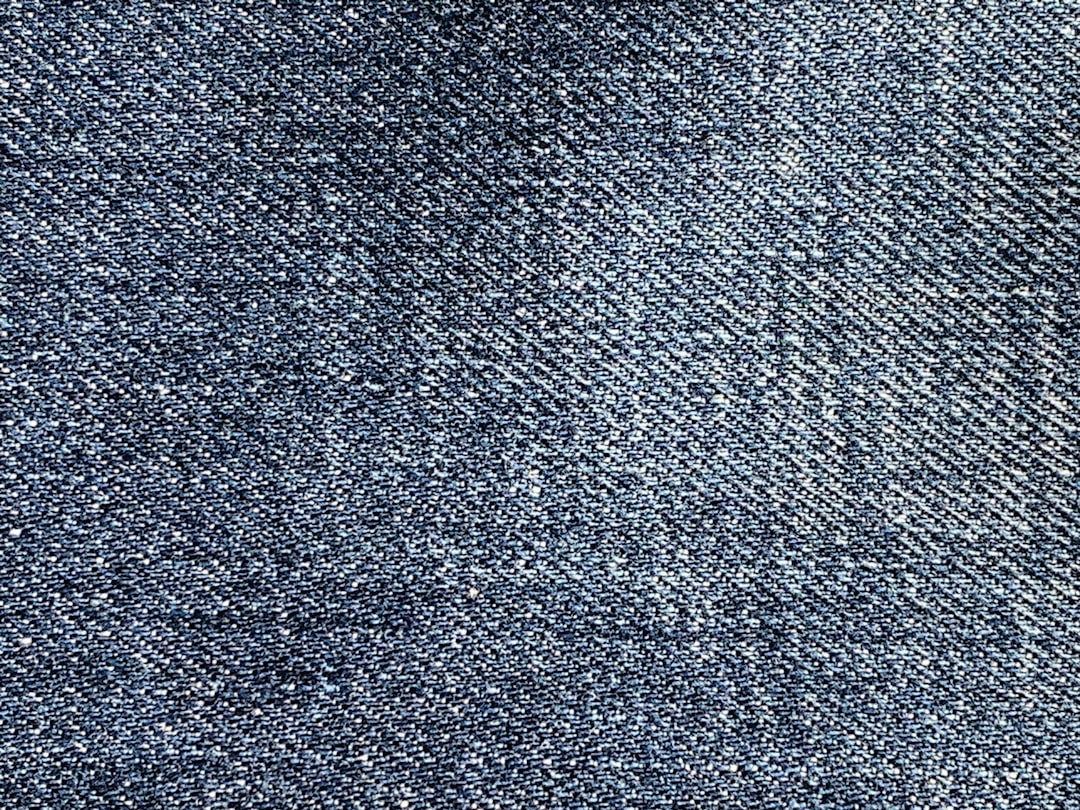
This article contains affiliate links. We may earn a commission at no extra cost to you.
Cone Mills White Oak: The Glory and End of Selvedge Denim Production
1. Introduction: The White Oak Plant, The Heart of American Denim
When discussing the history of American denim, the existence of the Cone Mills White Oak plant is truly central. From its establishment in 1895 to its closure in 2017, for about 120 years, this factory continuously produced high-quality denim fabric, especially “selvedge denim,” playing an indispensable role in the evolution of American workwear and fashion. Its fabric, imbued with durability, texture, and above all, “story,” continues to captivate denim enthusiasts worldwide. In this article, as a denim historian, we will delve into the glory of this great factory and the legacy of its closure from historical, technical, and cultural perspectives.
2. The Dawn: Cone Trust and the Beginning of Denim Production (1890s–1910s)
The foundation of Cone Mills Corporation traces back to the “Cone Trust” established in 1871 by brothers Philebus and Marcus Cone. Initially successful as clothing wholesalers, they expanded their business into in-house fabric production in the late 19th century. The establishment of the “White Oak Plant” in Greensboro, North Carolina, in 1895 marked a groundbreaking event in denim history.
Denim fabric of this era was generally heavier and more durable than its modern counterparts. From its early days, the White Oak plant aimed to produce high-quality denim fabric by adopting the latest weaving technology. Its quality quickly caught the eye of Levi Strauss & Co. From 1895 onwards, Levi’s adopted Cone Mills’ fabric as a primary supplier for its jeans, and especially from around 1915, it established its position as the exclusive supplier for Levi’s iconic 501XX model. This strong partnership was the first step in etching the White Oak plant’s name into American denim history.
3. The Golden Age: The Rise of American Workwear and White Oak’s Innovation (1920s–1940s)
Following the end of World War I, America entered a period of economic growth. During this era, the demand for workwear exploded, particularly among the working class, and jeans evolved from mere work clothes to fashion items symbolizing American strength and integrity.
During this prosperous period, the White Oak plant evolved alongside the Levi’s 501XX. Details adopted by the 501XX, such as rivet reinforcement, distinctive arcuatestitches, and the innovative leather patch, along with the durability of White Oak-made denim, solidified its legendary status. The “3x1 RHT (Right-Hand Twill)” weave established by the White Oak plant imparted a unique twill line and texture to the denim, becoming the standard for selvedge denim even today. Fabrics of this era typically weighed around 13 ounces, and their thickness and firm weave were proof of their authenticity, capable of withstanding strenuous labor.
During World War II, due to material restrictions, specifications for jeans also changed. Features like the reduction of metal rivets and the switch to urea buttons were implemented. However, even under these circumstances, the White Oak plant maintained its quality and continued to support American laborers.
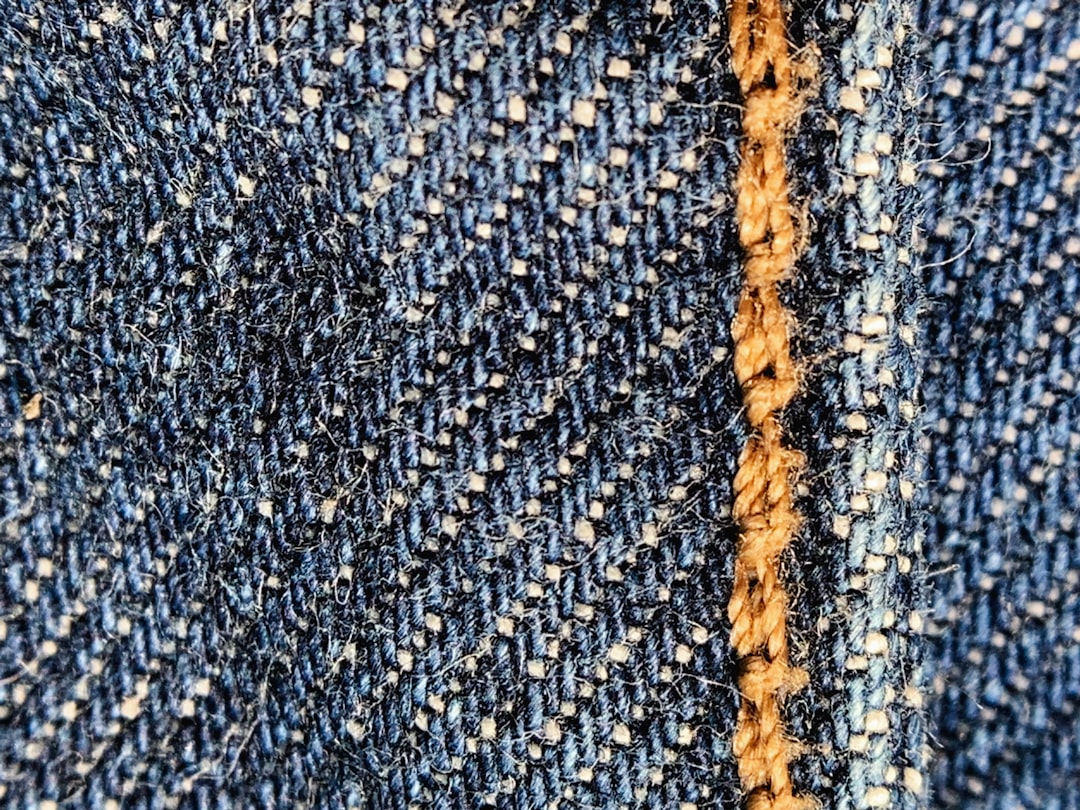
Editor's picks: denim staples
【今だけ2%OFFセール】【日本製】リーバイス ビンテージ クロージング LEVI'S VINTAGE CLOTHING 501XX 1955モデル ジーンズ…View on Rakuten → 桃太郎ジーンズ クラシック テーパード 日本製フロントファスナー ワンウオッシュ MMJZ0201 1000円クーポン デニム 耳付き セルビッチ 送料無料…View on Rakuten →4. Post-War to the Era of High Growth: Jeans as Fashion Items and White Oak (1950s–1970s)
After the war, American society transitioned to a consumer culture, and jeans emerged as a central element of youth culture. The images of movie stars like Marlon Brando and James Dean wearing jeans provided intense inspiration to young people worldwide, making jeans a symbol of rebellion and freedom.
Many of the jeans they wore during this era were made from denim produced at the White Oak plant (primarily Levi’s 501). Notably, when Levi’s 501XX was revised to the 501 around 1966, and hidden rivets were discontinued while “Sanforized” (preshrunk) processing was fully adopted. The “pre-Sanforized” 501XX models from before this period are highly valued in today’s vintage denim market for their unique shrinkage and texture. The period of Sanforized processing is a crucial element for identifying vintage jeans.
Furthermore, in the late 1960s, Levi’s “Big E” tab was replaced by a smaller “small e” tab. While there are various theories regarding the impact of this change on fabric quality and specifications, the White Oak plant continued its high-quality denim production while adapting to the times.
5. The Turning Point: Globalization and White Oak’s Challenge (1980s–2000s)
From the 1980s onwards, American manufacturing faced the wave of globalization, and inexpensive denim fabric from Asian countries began to dominate the market. Many American denim factories faced existential crises.
Even in such a situation, the White Oak plant persevered with its commitment to superior technology and quality to survive. It continued to research innovative dyeing techniques and weaving methods, supplying high-quality denim fabric.
During this period, interest in vintage denim grew globally, and denim fabric made at the White Oak plant began to be re-evaluated. In particular, specialized terms such as “Raw Denim” and “Selvedge Denim” became widespread, and the appeal of “aging” inherent in these fabrics, along with their carefully considered production backgrounds, garnered attention. The White Oak plant was at the center of these trends, solidifying its position as a reliable supplier for many denim brands.
6. The End: The Closure of the White Oak Plant and Its Legacy (2010s)
However, the times moved swiftly, and in 2017, the Cone Mills White Oak plant drew the curtains on its history of over 120 years. Economic factors and market changes had a cumulative impact, forcing this great factory to close.
This closure was a major shock to the American denim industry. Custom-cut White Oak denim fabric, due to its rarity, saw its value as a collector’s item increase. Even after the factory’s closure, the quality and “legendary” status of White Oak continued to be discussed, influencing many denim enthusiasts and brands.
Today, some brands are attempting to reproduce fabric from the closed White Oak plant on a limited basis, keeping its legacy alive.
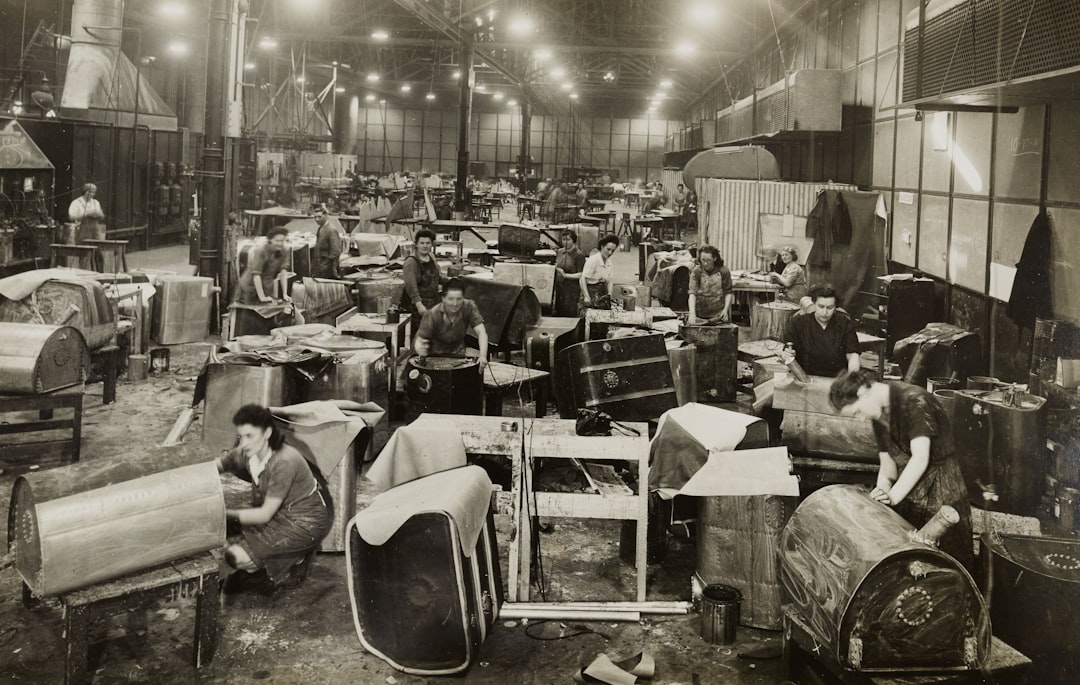
7. Fabric, Dyeing, and Details: The Technical Aspects of White Oak
Why did White Oak’s denim remain such a special existence? The secret lay in its advanced technology and meticulous quality control.
- Weave: The predominantly used “3x1 RHT (Right-Hand Twill)” is a weave where the denim’s twill lines run diagonally upwards to the right, creating a unique luster and strength. The “Redline Selvedge” on the selvedge edge was a characteristic of this factory and an important identifying feature of vintage denim.
- Dyeing: The “Rope Dyeing” method involves gradually impregnating indigo dye, so that it does not fully penetrate the core of the yarn. This results in a unique uneven fading and a rich color depth as the jeans are worn.
- Yarn: The use of “Ring-spun Yarn” creates unevenness in the yarn, resulting in a distinct slubby texture and characterful aging in the denim.
- Ounce Weight: Typical weights were around 13.5oz or 14oz. This weight contributed to the fabric’s durability and the unique texture that develops with wear.
8. Cultural Impact: Jeans and American Identity
Denim fabric made at the White Oak plant was more than just fabric. It embodied the spirit of American work culture, integrity, and rebellion, deeply rooted in various aspects of culture such as fashion, music, and film.
As a symbol of trust and quality, “Made in USA,” it inspired denim enthusiasts and brands worldwide, and its contribution to elevating jeans to a universal fashion item is immeasurable.
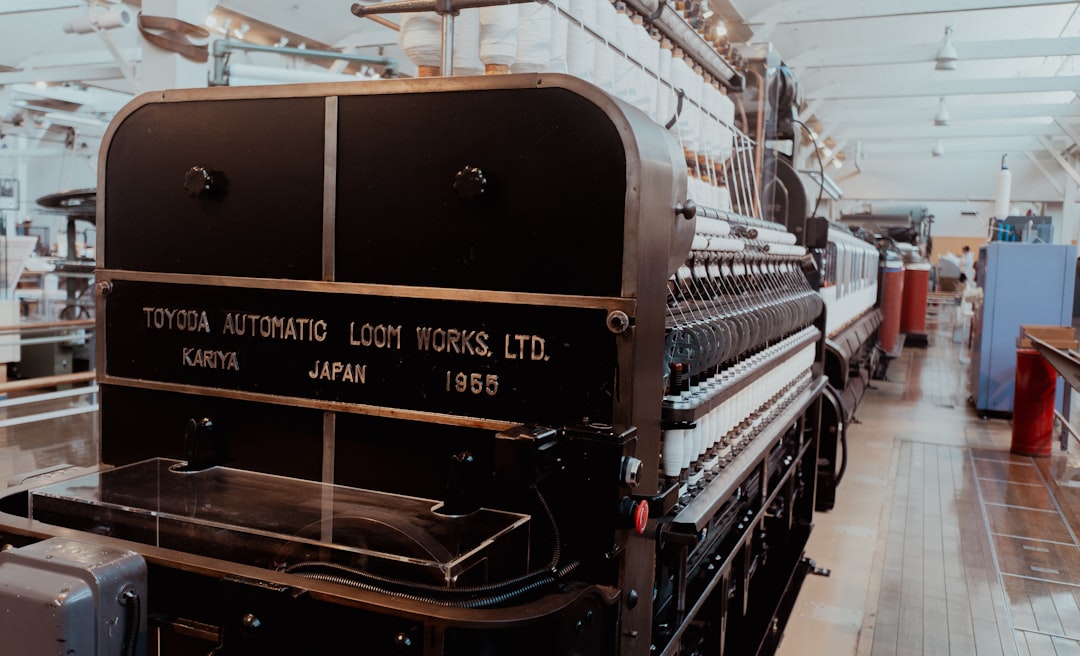
9. White Oak in the Vintage Market
In the vintage denim market, fabric from Cone Mills White Oak plant consistently receives high evaluations for its quality and historical value. White Oak-made jeans from specific eras (e.g., 1950s, 1960s) are traded at high prices due to their deep fades and unique textures.
Identifying White Oak-made fabric in vintage denim requires detailed knowledge, including the width and color of the redline on the selvedge, the weave, and the fabric’s texture. However, successful identification signifies the presence of a unique “story.”
10. Comparison Table: White Oak Selvedge Denim vs. Similar Competing Products
| Feature | Cone Mills White Oak (for Levi’s 501XX) | Canton Cotton Mills (for Lee 101) | *Wrangler 13MWZ (from 1964) |
|---|---|---|---|
| Main Brand | Levi’s 501XX | Lee 101 / 101Z | Wrangler 13MWZ |
| Weave | 3x1 RHT (Right-Hand Twill) | 3x1 LHT (Left-Hand Twill) | Broken Twill (from 1964) |
| Selvedge | Redline | Redline | *Brand dependent, or plain |
| Dyeing | Rope Dyeing (Indigo) | Rope Dyeing (Indigo) | Rope Dyeing (Indigo) |
| Founding Year (Plant) | 1895 | 1907 (Cotton Mill) | 1904 (Blue Bell) |
| Closure Year (Plant) | 2017 | Sources vary (details unknown) | Ongoing |
| Characteristic Details | Rivets, Arcuate Stitch, Leather/Jacron Patch | X-tack (bartack), Lazy S Stitch, Glassine Patch | Concealed Rivets, Embossed W Stitch, Zipper Fly (1947-) |
*Note: Wrangler initially used fabrics from other companies; Broken Twill was adopted from 1964 onwards. The comparison table is based on representative specifications.
11. Conclusion: White Oak’s Legacy and Its Future
The Cone Mills White Oak plant was more than just a fabric manufacturer. It was the very soul of American denim, a factory that spun quality, durability, and above all, “story.” Its closure signifies the end of an era in the history of American workwear.
However, the technology, quality, and cultural legacy of selvedge denim left by the White Oak plant will never be lost. Even today, its influence remains strong, passed down among many denim brands and enthusiasts, continuing to inspire. The “legend” of White Oak will continue to live on with the history of denim.
Editor’s Picks: Denim Staples
Looking for a pair? Browse these staple denim picks.
Related Articles
The Osaka Five and Replica Jeans: A Genealogy of the Vintage Reproduction Movement, 1979-2000
Unraveling the history of vintage replica jeans by the 'Osaka Five,' who revolutionized the Japanese denim scene from the late 1970s to the early 2000s.
From 'Big E' to 'small e': Why the 1971 Levi's Tab Transition is Crucial for Dating Vintage Jeans
Explore the iconic 'Big E' and 'small e' on Levi's Red Tabs. This article delves into the historical context and technical aspects that make this symbolic shift in 1971 a definitive marker for identifying vintage jeans.
The Revolution of Non-Shrinking Denim: Sanford Cluett's Sanforized Process (Invented 1928 / Patented 1932)
The Sanforized process revolutionized denim by solving the problem of shrinkage, contributing to the widespread popularity of jeans as fashion items. This article traces the history from its invention to its adoption.