A Will of Steel, the Impact of 21oz: Iron Heart 666, the Revolutionary in Heavyweight Denim
A denim historian unravels the origin story, details, and cultural impact of Iron Heart Lot. 666. A deep dive into the essence of 21oz heavyweight denim.
by editorial
This article contains affiliate links. We may earn a commission at no extra cost to you.
A Will of Steel, the Impact of 21oz: Iron Heart 666, the Revolutionary in Heavyweight Denim
The charm of denim lies in its durability and the unique character it develops through aging. Among the many denim brands, Japan’s “Iron Heart” stands out, garnering passionate support from denim enthusiasts worldwide. Among its offerings, the “Lot. 666” model is arguably the brand’s signature.
“A Will of Steel, the Impact of 21oz” – these words signify that the Iron Heart 666 is more than just a pair of jeans. It is a testament to an uncompromising philosophy of craftsmanship and a true “revolutionary” that brought innovation to the heavyweight denim category. In this article, as a denim historian, I will unravel the story of this legendary pair, delving deep into its cultural significance, historical context, and intricate details.
1. Introduction — Why This Item is Culturally Significant
The cultural significance of the Iron Heart 666 stems from its unwavering commitment to “toughness” and the unparalleled aging process it creates. Founded in 2003 by Shinichi Haraki, Iron Heart’s core philosophy is: “If it’s not tough, it’s not men’s clothing.” This philosophy permeates all of the brand’s products, but it is particularly evident in the 666 model.
In the denim market of its time, 21oz, an extremely thick heavyweight denim, was not yet commonplace. However, by adopting this heavyweight denim, Iron Heart profoundly deepened the enjoyment of denim – the act of “raising” it, allowing it to conform to the wearer’s body and develop a unique texture over time.
Furthermore, the model name “666” itself is often referred to as the “Devil’s Fit,” and its robust nature, even evoking a sense of “danger,” perfectly resonates with the brand’s philosophy of toughness. This model transcends mere fashion; it has evolved into a status symbol that embodies the wearer’s lifestyle and principles.
Shop the items featured in this article
【中古】IRON HEART アイアンハート Lot 1461 21oz EXTRA HEAVY REAL 28 ブーツカット デニムパンツ 28 グレー フ…View on Rakuten → 【美品】IRON HEART【10.5oz ヘリンボーン ダブルニー ロガージーンズ】W33 アイアンハート s2602006View on Rakuten →2. Historical Context — Birth Year and Brand Context
Iron Heart was established in 2003 by Shinichi Haraki. The foundation of the brand lies in the aforementioned philosophy: “If it’s not tough, it’s not men’s clothing.” This philosophy aims not just for durability, but to create clothing that truly “lasts and is loved for a long time,” supporting the wearer for years and marking the passage of time together.
The birth of the “666” model is believed to trace back to the early days of the brand’s establishment. The model name “666” evokes imagery of “devil” or “strength” due to the number’s connotations, seemingly symbolizing the brand’s tough philosophy.
And, it is impossible to discuss this model without mentioning the 21oz heavyweight denim that has been used since the brand’s inception. In the denim market of that era, 21oz fabric was an extremely rare entity. By deliberately adopting this ultra-thick denim, Iron Heart differentiated itself from other brands and significantly contributed to the popularization of the heavyweight denim category.
The production of this 21oz denim was indispensable to Japan’s proud craftsmanship. Top-quality cotton, deep dyeing, and meticulous weaving on vintage shuttle looms – these elements converged to create Iron Heart’s unique heavyweight denim. In particular, stably producing denim of this thickness while maintaining wearable quality must have presented considerable technical challenges. However, Iron Heart overcame these obstacles, achieving a quality that can be considered the epitome of “MADE IN JAPAN.”
3. Structural Details — Selvedge, Hardware, Stitching, Silhouette
The allure of the Iron Heart 666 lies in its meticulous details. Let’s examine its structure in detail.
Fabric: 21oz Selvedge Denim
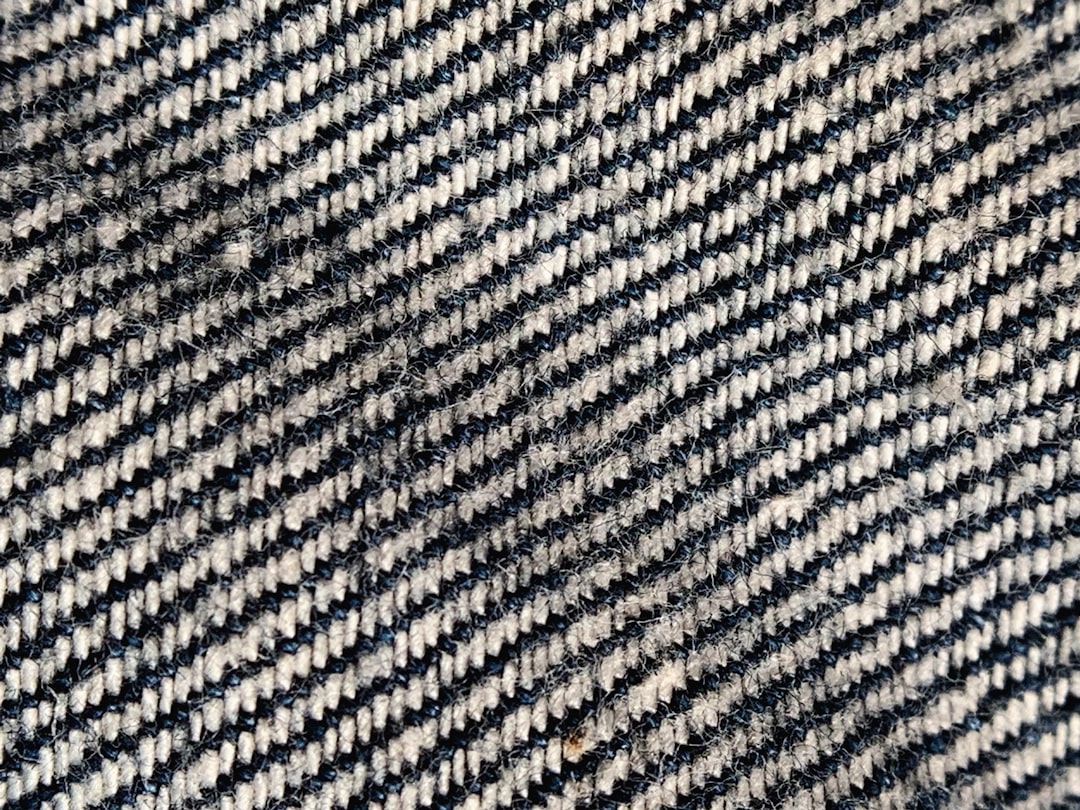
- Weave: The 21oz denim used in the 666 model is generally woven in a Right-Hand Twill (RHT). This weave and yarn density impart a firm crispness and structure to the fabric, resulting in unique “fades,” “whiskers,” and “honeycombs” with wear.
- Yarn: High-quality cotton, such as Zimbabwe cotton, is used, with the degree of slub in the yarn adjusted. This allows for textured fading, rather than a monotonous look.
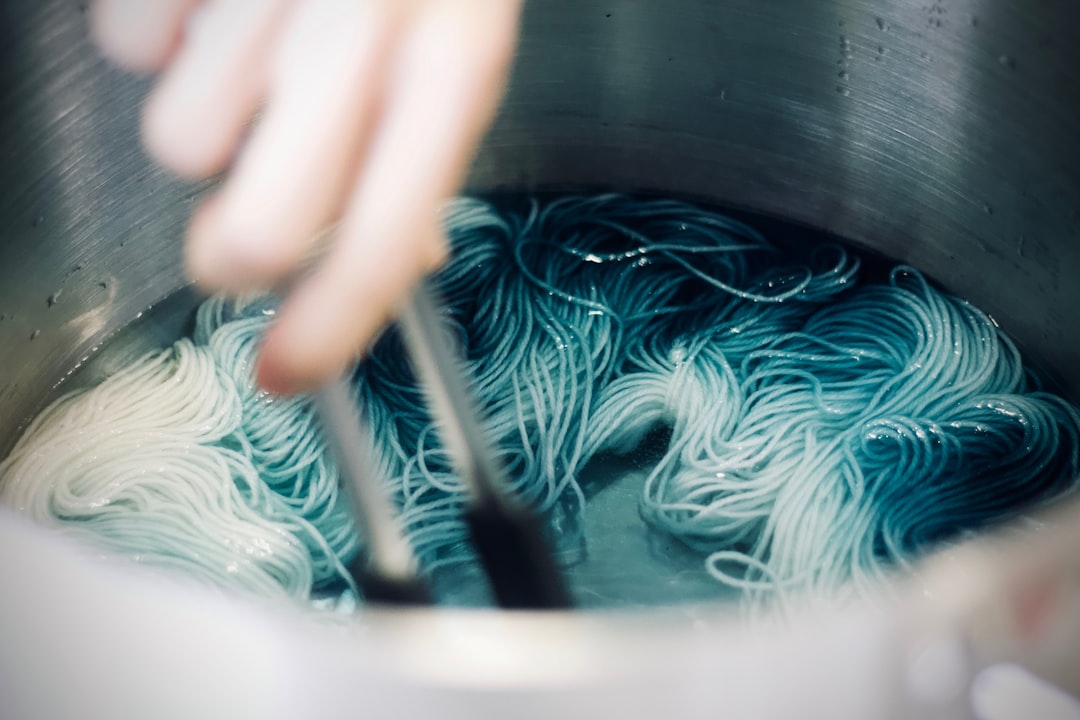
- Dyeing: Deep indigo blue is applied through rope dyeing. This dyeing method results in a dark surface color that gradually reveals the core yarn color through friction from wear, creating a distinctive contrast.
- Selvedge: The selvedge (red ear) woven by the loom (such as vintage shuttle looms) serves as proof of its origin and reflects the brand’s commitment to quality. Early lots may have featured unique colorways, but red selvedge is commonly used as a standard.
Hardware
- Buttons: The button fly often uses robust iron buttons, sometimes featuring the brand’s engraving.
- Rivets: Copper rivets not only reinforce the denim but also develop a unique oxidized color over time. The presence or absence of hidden rivets is also a point that can be checked depending on the model and year.
- Patch: Leather patches were often used in early lots, with subtle variations in design and material appearing over the years. Jacron patches are also sometimes used.
Stitching
- Back Pockets: The stitching on the back pockets is a key element that signifies the brand’s identity. Depending on the period and model, unique brand stitching patterns may be employed, or designs inspired by the “Lazy S” style (a characteristic stitch seen on models like the Lee 101B) might be present.
Silhouette
- 666 (Slim Straight): This silhouette, also known as the “Devil’s Fit,” is a slim straight cut that avoids a baggy appearance and boasts a refined line. It fits snugly around the waist and tapers gently towards the hem, making it versatile for any style. It is a fit that perfectly balances “toughness” and “elegance,” enhancing the presence of heavyweight denim while pursuing a modern wearing experience.
4. Identifying Authenticity and Era (Vintage vs. Replica)
While Iron Heart is a relatively new brand, its popularity has led to keen interest in the subtle differences between early lots and current models. To distinguish between vintage (referring to early lots or discontinued models) and current replicas, pay attention to the following points:
- Fabric Quality: The 21oz denim in early lots may exhibit slight differences in yarn unevenness and weave texture compared to current models. This is because the looms and yarn selection criteria can change over time.
- Hardware: The shape of the logos engraved on buttons and rivets, as well as the aging of the materials, can serve as clues to determining the era. The design and aging of leather patches are also important indicators.
- Stitching: Subtle differences in back pocket stitching, yarn thickness, and color may be observed between lots.
- Selvedge Color: The hue of the red ear and the presence or absence of brand logos can also be helpful in identifying the year.
- Inner Tags and Care Labels: Production country, material composition, and washing instructions may also show minor variations in wording over different periods.
However, Iron Heart adheres to the philosophy of “If it’s not tough, it’s not men’s clothing” and has consistently delivered products of stable quality over the years. Therefore, the differences are primarily minor specification changes rather than drastic ones.
5. Notable Figures and Cultural Appearances
The “tough” and “masculine” image of the Iron Heart 666 has made it a favorite among many notable figures and cultural icons. It enjoys support from a wide range of individuals, including those in the music industry, actors, and collectors known for their passion for denim.
Their wearing of the 666 is not merely a fashion statement; it embodies a lifestyle that cherishes the denim’s story—the act of “raising” it and forming a long-term relationship with it. The aging reports shared by wearers on social media serve to remind us of the charm of denim that can be “grown.”
6. Current Acquisition Channels (Vintage Market, Replica Brands)
The Iron Heart 666 continues to be manufactured and sold as a standard model by the brand. It is common to purchase new items from authorized retailers or the brand’s official online store.
In the vintage or second-hand market, early lots or discontinued models may be available. These models can have different details and textures from current production items and may command high prices among collectors. However, the condition of used items varies greatly depending on wear and care, so caution is advised when purchasing.
In the context of “replica brands,” Iron Heart itself can be seen as a “modern replica,” inheriting the spirit of vintage American workwear while rebuilding it with contemporary technology and sensibility. While it differs slightly from a pure vintage replica, its commitment to “authenticity” captivates many denim enthusiasts.
7. Conclusion
The Iron Heart 666 is more than just a pair of jeans. It is an item that embodies a “will of steel,” a crystallization of the founder’s unwavering philosophy, Japanese craftsmanship, and a thorough dedication to heavyweight denim. The extraordinary 21oz thickness offers the wearer a tough wearing experience and a unique texture that develops over time.
Iron Heart’s spirit of “If it’s not tough, it’s not men’s clothing” is undeniably conveyed through the 666 model to its wearer. By wearing these jeans and marking time together, we rediscover the profundity of denim as a material and the relationship with clothing that can be loved for a lifetime.
From the edge of the “selvedge” to the depth of the indigo, the potential of “raw-denim”—the Iron Heart 666, embodying all of these, will continue to be a great icon that inscribes its name in denim history.
Find Related Items
You can browse the models and items featured in this article at the stores below.
Related Articles
Levi's 507XX Type II: A Nine-Year Legend Forging the Evolution of Workwear
The Levi's 507XX Type II, a denim jacket that transcended workwear to become a fashion icon. This article delves into its origins, details, and enduring influence.
Levi's 506XX Type I: The Genesis of the Denim Jacket, Its Journey from 1936 to 1953
From its birth to evolutionary details, wartime changes, and cultural impact, a denim historian delves into the Levi's 506XX Type I jacket.
Beyond the 'Third': The Untold Evolution and Legend of Levi's 557XX Trucker Jacket
A deep dive into the history, design, cultural significance, and vintage market value of the Levi's 557XX (Type III) trucker jacket.