Levi's 507XX Type II: A Nine-Year Legend Forging the Evolution of Workwear
The Levi's 507XX Type II, a denim jacket that transcended workwear to become a fashion icon. This article delves into its origins, details, and enduring influence.
by editorial
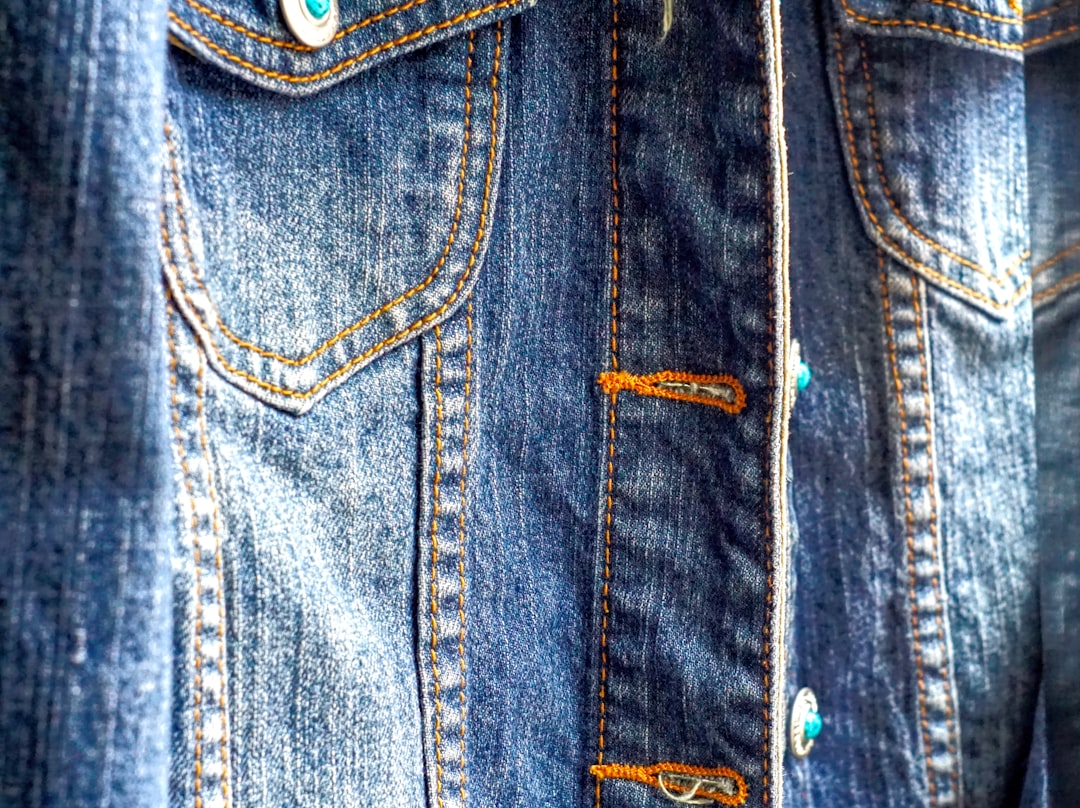
This article contains affiliate links. We may earn a commission at no extra cost to you.
Levi’s 507XX Type II: A Nine-Year Legend Forging the Evolution of Workwear
Introduction
Levi’s denim jackets, or jean jackets, were not merely born as work garments. They are like mirrors reflecting the very times, transforming from symbols of American laborers to icons of youth culture and ultimately, universal fashion items. Among these, the “507XX,” commonly known as the “Type II,” stands out as a remarkable piece that marked a significant phase in Levi’s evolution of workwear and profoundly influenced subsequent denim jacket designs. This article will delve deeply into the historical significance, structural characteristics, and contemporary value of this “Type II” from the perspective of a denim historian.
Historical Context – Birth Year and Brand Narrative
Levi Strauss & Co. introduced the riveted work pants to the world in 1873. Subsequently, the company expanded its workwear lineup and released the precursor to the denim jacket, the “Blouse,” in 1905. This later became known as the “First Type,” evolving into the model identified as Lot 506XX. In 1936, the red tab was first adopted on this model, signifying progress in both practical workwear functionality and brand identity establishment.
During World War II, influenced by material controls, simplified models like the “S506XX” appeared, featuring nut buttons and omitted pocket flaps. As post-war America embarked on a new era, Levi’s, in 1953, unveiled a model marking a turning point in workwear evolution: Lot 507XX, the “Second Type.” This jacket was manufactured for a relatively limited period of approximately nine years, from 1953 to 1962, and laid the foundation for future denim jacket designs.
The designation “XX” originates from the heavier and more durable denim fabric that Levi’s used at the time. While inheriting this tradition, the Type II evolved into a more refined design while maintaining its workwear functionality.
Shop the items featured in this article
【今だけ2%OFFセール】【日本製】リーバイス ビンテージ クロージング LEVI'S VINTAGE CLOTHING 501XX 1955モデル ジーンズ…View on Rakuten → 【今だけ2%OFFセール】【日本製】リーバイス ビンテージ クロージング LEVI'S VINTAGE CLOTHING 501 1937モデル 501XX…View on Rakuten →Structural Details – Selvedge, Hardware, Stitching, Silhouette
A detailed examination of the Levi’s 507XX Type II’s construction is essential to understanding its design intent and historical context.
- Fabric: The Type II utilized Right-Hand Twill (RHT) 3x1 selvedge denim, believed to be from Cone Mills White Oak. While the exact ounce weight is subject to varying accounts, it is generally estimated to be around 12-13oz. Selvedge (red ear) is a crucial characteristic of vintage denim, woven to prevent the fabric’s edges from fraying.
- Front: The front features a button-front closure with metal shank buttons, not snap buttons.
- Pockets: The most notable change distinguishing the Type II is the placement of two symmetrical flap-adorned patch pockets on the chest. This contrasted with the First Type, which had only a single pocket on the left chest, offering improved design balance and storage capacity.
- Waist Adjustment: To incorporate workwear practicality and improve fit, the buckle back (cinch strap) from the Type I was abolished and replaced with button adjusters on both sides. This allowed for easier silhouette adjustment, providing a more contemporary wearing experience.
- Pleats and Reinforcement: The front pleats are double knife pleats, similar to the Type I. However, the tacking of these pleats was changed from the box stitching of the Type I to the more robust bar tack. This enhanced durability against stress from washing and wear.
- Silhouette: While slightly slimmer than the First Type, the Type II still boasts a relaxed silhouette, reflecting the need for ease of movement in workwear and the prevalent styling of the era.
- Patch: Initially (until around 1955), the Two Horse Brand leather patch was used. Later, it transitioned to a Jacron (paper) patch. This change in patch material serves as a significant clue for dating the garment.
- Red Tab: Continuing from the Type I, a red tab is attached to the left chest pocket. Red tabs from this period are the “Big E” type, with the lettering largely embroidered.
- Stitching: Bar tacks are extensively used for pocket reinforcement, shoulder joints, and cuffs. The Levi’s iconic Arcuate stitch is present only on the back pockets.
Identifying Authenticity and Age (Vintage vs. Replica)
Due to their rarity and high market value, original vintage 507XX jeans attract numerous replicas and reproduction items. To distinguish original vintage pieces, one must pay attention to several details.
- Patch: Check whether it is a leather patch or a Jacron patch. Leather patches indicate earlier models, while Jacron patches point to later ones.
- Buttons: Examine the engraving, material, and shape of the buttons.
- Stitching: Observe the bar tack stitching, the shape and color of the Arcuate stitch, and thread thickness.
- Selvedge: Check the width, color, and weave of the selvedge.
- Red Tab: Confirm if it is “Big E” or “small ‘e’.” The Type II is predominantly “Big E.”
- Rivets: The shape of the copper rivets used for pocket reinforcement and the markings on the reverse side can also be clues for dating.
- Denim Fading: The natural fading and wear patterns characteristic of vintage denim can be difficult for replicas to accurately reproduce.
By holistically evaluating these details, one can differentiate between original vintage pieces and later reproductions.
Appearances by Notable Figures and Cultural Depictions
The 1950s marked a period of burgeoning youth culture in America, with the widespread adoption of casual wear. Against this backdrop, denim jackets, originally workwear, gradually solidified their status as fashion items. Appearances by iconic figures such as movie stars and musicians wearing denim jackets in the media further boosted their popularity.
James Dean’s wear of the Lee 101Z in “Rebel Without a Cause” and Marlon Brando’s choice of Levi’s 501 in “The Wild One” revolutionized the image of denim pants. Denim jackets, particularly designs like the 507XX, embodied the spirit of the times and became symbols of the “American casual” style, aspirational for many young people. While specific cinematic or personal anecdotes directly linking to the 507XX might be limited, the fact that icons of this era wore denim products undoubtedly propelled the overall popularity of denim jackets.
Current Sources for Acquisition (Vintage Market & Replica Brands)
To acquire original vintage Levi’s 507XX Type II jeans today, the following methods are primarily available:
- Specialty Vintage Clothing Retailers: Vintage shops located nationwide and their online counterparts may offer well-preserved pieces. However, prices vary significantly based on condition, size, and rarity.
- Auction Sites: These platforms facilitate transactions between individuals and may feature listings, but knowledge to discern authenticity is crucial.
Conversely, numerous replica brands meticulously reproduce the details of original vintage items.
- Levi’s Vintage Clothing (LVC): Levi’s own LVC line releases faithful reproductions based on their past archives. The 507XX replica is a prime example of such an item.
- Other Replica Brands: Both domestically and internationally, many brands are dedicated to crafting highly accurate replicas with an emphasis on vintage denim details. Products from these brands offer an accessible way to enjoy the essence of the originals.
Conclusion
The Levi’s 507XX Type II, manufactured between 1953 and 1962, represents a significant milestone in the evolution of workwear. The symmetrical chest pockets, side adjusters, and refined silhouette challenged previous notions of work jackets, expanding the possibilities for denim jackets as fashion items.
The transition from Type I to Type II was not merely a design alteration but a symbol of changing times, evolving lifestyles, and the rising status of denim as fashion. Today, original vintage pieces continue to be collected by many collectors and denim enthusiasts. This is not simply because they are old garments, but because they encapsulate rich narratives of American history, labor culture, and the transformation of fashion. The 507XX will undoubtedly continue to be told as a shining chapter in the history of denim.
References
- Heddels — The Levi’s Type II Denim Jacket
- Long John — The Levi’s Type II 507XX Jacket
- Levi Strauss & Co. Archives — The History of Levi’s® Denim Jackets
Find Related Items
You can browse the models and items featured in this article at the stores below.
Related Articles

Levi's 506XX Type I: The Genesis of the Denim Jacket, Its Journey from 1936 to 1953
From its birth to evolutionary details, wartime changes, and cultural impact, a denim historian delves into the Levi's 506XX Type I jacket.
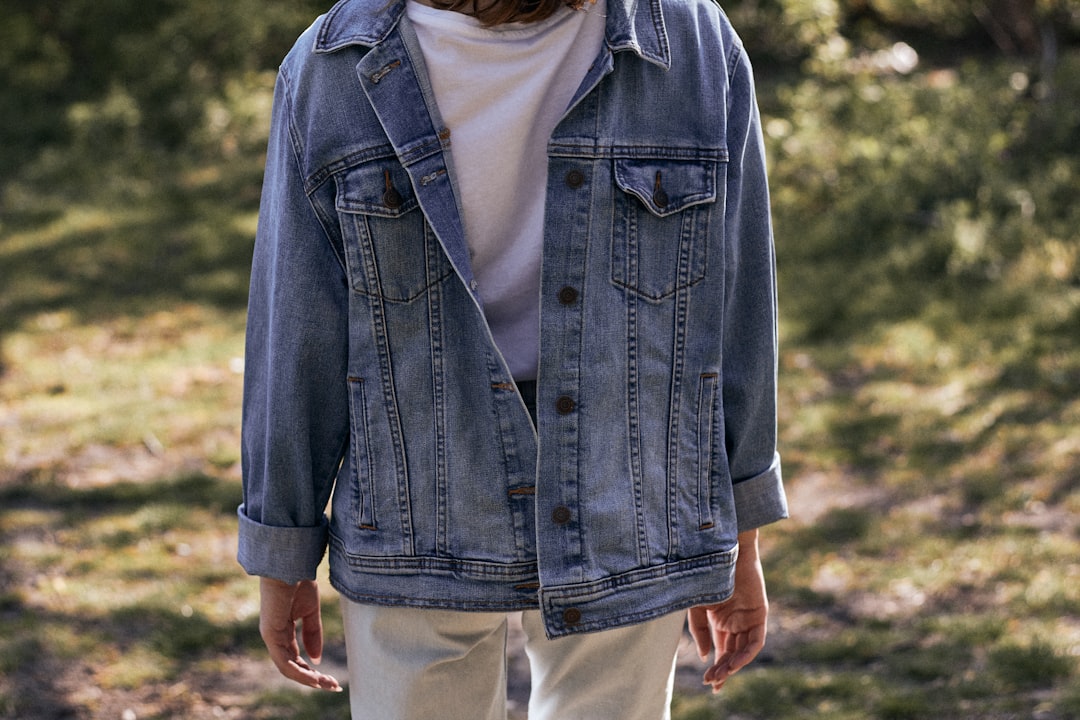
Beyond the 'Third': The Untold Evolution and Legend of Levi's 557XX Trucker Jacket
A deep dive into the history, design, cultural significance, and vintage market value of the Levi's 557XX (Type III) trucker jacket.
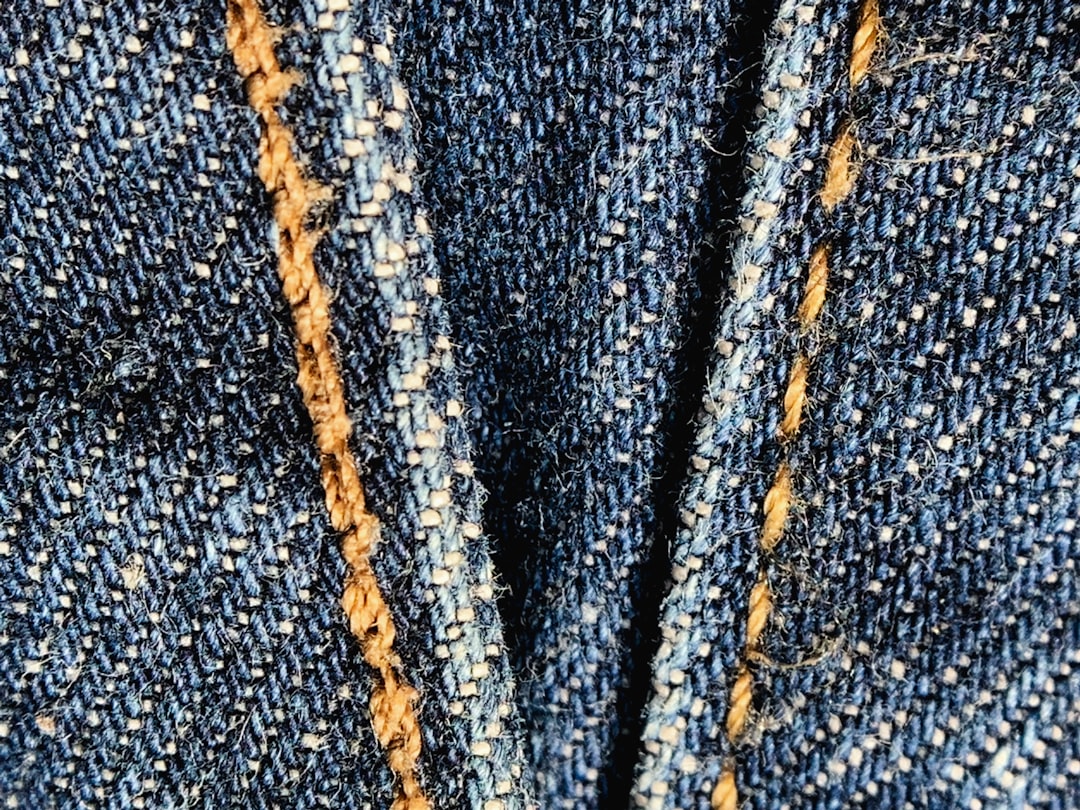
DENIME Type 66: The Lineage of Yoshifumi Hayashi's Levi's 501 1966 Model Reproduction
The DENIME Type 66, a cornerstone of the early Japanese vintage denim reproduction era. This article delves into the characteristics of the Levi's 501 1966 Model and the history and details embedded in its reproduction.