Japan Blue Jeans: Contemporary Japanese Selvedge Crafted with Zimbabwe Cotton x Memphis Cotton Bi-Blend from Kojima
A denim historian delves into the allure and background of Japan Blue Jeans, a Kojima-born brand featuring a Zimbabwe Cotton x Memphis Cotton bi-blend selvedge. This article explores the brand's trajectory, materials, details, and its position in contemporary denim.
by editorial
This article contains affiliate links. We may earn a commission at no extra cost to you.
Japan Blue Jeans: Contemporary Japanese Selvedge Crafted with Zimbabwe Cotton x Memphis Cotton Bi-Blend from Kojima
The world of denim is steeped in countless stories and techniques. Among these, “Japan Blue Jeans,” originating from Kojima in Okayama Prefecture, Japan, and distributed worldwide, holds a unique position in the modern denim scene. In particular, their selvedge denim, crafted from a skillful blend of Zimbabwe cotton and Memphis cotton, captivates many denim enthusiasts with its quality and philosophy. As a denim historian, this article will delve into the cultural significance of Japan Blue Jeans, its journey from inception to the present, and the meticulous dedication poured into its materials and details.
1. Introduction — Why This Item Holds Cultural Significance
The jeans from Japan Blue Jeans are more than just apparel. They are a crystallization of modern craftsmanship, merging Japan’s denim manufacturing prowess, its pursuit of materials, and a global perspective. Specifically, the unique texture and comfort derived from blending cottons with distinct characteristics, Zimbabwe cotton and Memphis cotton, form an identity that is difficult for other brands to replicate.
While rooted in the traditional techniques cultivated in Kojima, the mecca of Japanese denim, the brand consistently explores new materials and silhouettes, making its mark on the global market. Therefore, Japan Blue Jeans are culturally significant, representing a fusion of respect for vintage denim and contemporary sensibility, truly a “vintage of the future.”
Shop the items featured in this article
【エンジニアブーツにぴったり!】ジャパンブルージーンズ サークル クラシックストレート JAPAN BLUE JEANS [ J401 14.8oz アメリカ…View on Rakuten → #3 ストレート ジャパンブルージーンズ サークル ストレート JAPAN BLUE JEANS CIRCLE STRAIGHT [ J301 14.8oz…View on Rakuten →2. Historical Background — Year of Origin and Brand Context
The roots of Japan Blue Jeans trace back to COLLECT Co., Ltd., founded in 1992 as a fabric mill. Subsequently, Aifuya Co., Ltd., responsible for indigo workshops and direct retail, was established in 1996. These companies built a system for integrated denim fabric manufacturing, processing, and sales.
In 2006, “Momotaro Jeans” was launched as an in-house brand of Japan Blue Co., Ltd. Then, Japan Blue Jeans was introduced as a brand in 2010. Initially focusing on overseas markets, its quality and originality were recognized, gradually increasing its presence in the domestic market.
In 2014, COLLECT Co., Ltd. and Aifuya Co., Ltd. merged, forming the current “Japan Blue Co., Ltd.” This merger solidified the foundation of a robust denim manufacturing and sales enterprise, overseeing two distinct brands: Momotaro Jeans and Japan Blue Jeans. In January 2022, Karita & Co., a Japanese private equity firm, acquired 85% of Japan Blue Co., Ltd.’s shares, ushering in a new phase of growth.
While sharing an operating company with Momotaro Jeans, Japan Blue Jeans occupies a different niche. Momotaro Jeans strongly emphasizes Japanese aesthetics and traditional elements, whereas Japan Blue Jeans is positioned as a brand that prioritizes contemporary silhouettes and material exploration from a more global perspective.
3. Structural Details — Selvedge, Hardware, Stitching, Silhouette
The allure of Japan Blue Jeans’ denim lies in the meticulous details of its construction.
- Selvedge: Many models feature the traditional red-line selvedge. This is the woven edge of the fabric that prevents fraying, serving as an accent when the jeans are rolled up. Japan Blue Jeans is particular about the fabric used for this selvedge, creating a unique texture.
- Hardware: Components like rivets and buttons are crucial for both the functionality and design of jeans. Japan Blue Jeans incorporates copper-plated rivets branded with the company’s identity, and some models feature button fly closures, developing a unique patina with age.
- Stitching: The stitching on the back pockets is a hallmark of the brand’s individuality. Unlike Momotaro Jeans’ “GTB stripes,” Japan Blue Jeans expresses its unique character through its own stitching designs and reinforcements. The stitching on the inseam, for example, is meticulously designed for each model.
- Silhouette: One of the key reasons Japan Blue Jeans is favored in the contemporary denim scene is the diversity and refinement of its silhouettes. Offering a wide range including skinny, slim tapered, high tapered, and straight, each model provides an exquisite fit and a beautiful line tailored to modern fashion trends.
4. Identifying Authenticity and Age (Vintage vs. Replica)
As Japan Blue Jeans is a relatively new brand, there isn’t a clear distinction between “vintage” and “replica” as seen with older brands like Levi’s. However, several elements can help identify the manufacturing year and model.
- Lot Numbers: Japan Blue Jeans employs a lot numbering system prefixed with “JB+” followed by numbers (e.g., JB0206, JB0606, JB4100). These numbers provide clues to the model’s specifications, silhouette, and fabric. Lot numbers starting with “JBG” are not officially confirmed.
- Patches: The patches on the waist of the jeans also serve as a reference for identifying age and model. Japan Blue Jeans primarily uses leather patches or paper patches engraved with the brand logo, with their design and material varying by model.
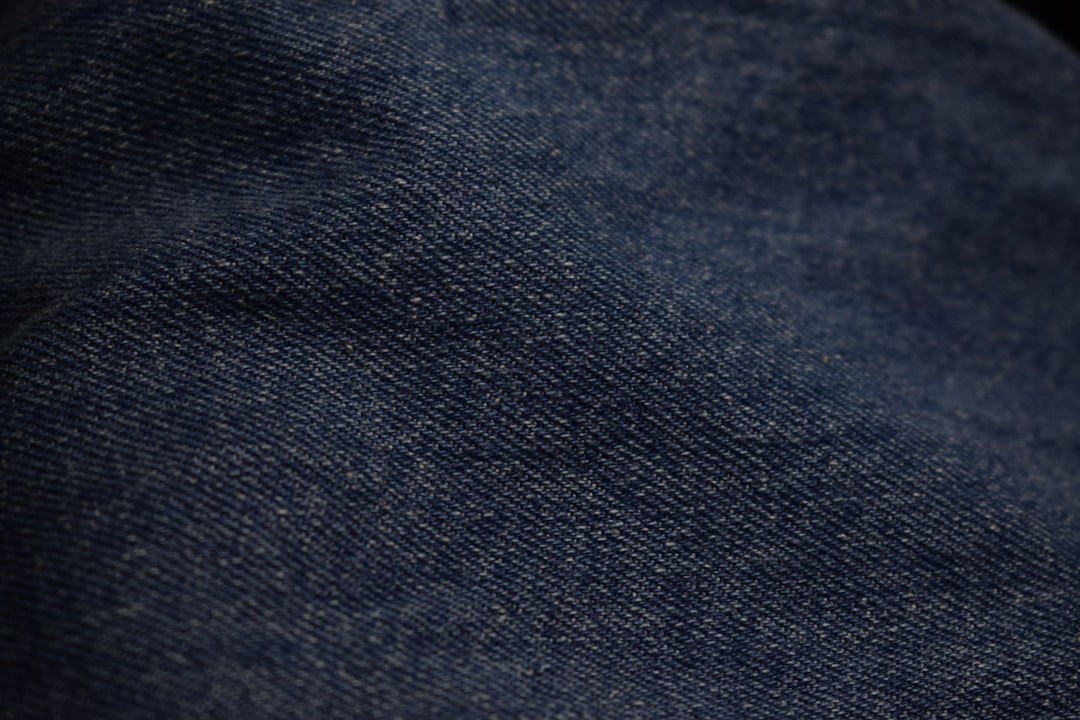
- Fabric Texture and Fading: The bi-blend fabric of Zimbabwe cotton and Memphis cotton, a signature feature of Japan Blue Jeans, develops unique fading and creasing with wear. Comparing a new state with a well-worn pair allows for a reasonable estimation of how much the jeans have been used.
- Selvedge Color: While Momotaro Jeans uses “peach selvedge” (pink), Japan Blue Jeans generally employs “red selvedge.” Although this can vary by model, it serves as a distinguishing feature.
5. Notable Figures and Cultural Appearances
Japan Blue Jeans, with its high-quality fabric and contemporary silhouettes, has garnered attention from denim enthusiasts and the fashion scene worldwide. While specific celebrity endorsements are not widely publicized, its quality and design have been featured by fashion bloggers, denim influencers, and select shops globally, solidifying its presence.
Notably, its appearances in denim-focused overseas media and retailers like Heddels and Blue Owl Workshop demonstrate Japan Blue Jeans’ established position in global denim culture. These platforms detail the characteristics of the Zimbabwe cotton x Memphis cotton bi-blend fabric and innovative silhouettes like the JB0606, stimulating the purchasing desire of many denim aficionados.

6. Current Acquisition Sources (Vintage Market, Replica Brands)
As mentioned, Japan Blue Jeans is a young brand, making it rare to find long-aged items in the so-called “vintage market.” However, new Japan Blue Jeans can be acquired through the following methods:
- Japan Blue Co., Ltd. Official Online Store: The brand’s direct sales website offers a wide range of both the latest and classic models.
- Domestic and International Select Shops: Denim specialty stores and select shops both in Japan and abroad carry Japan Blue Jeans. In particular, denim shops in the Kojima region and renowned international denim retailers (like Clutch Cafe, Burg & Schild) are expected to have extensive selections.
- Online Marketplaces: Major e-commerce sites such as Amazon and Rakuten may also offer new Japan Blue Jeans.
In the context of “replica brands,” Japan Blue Jeans is better described as a brand creating new standards through modern interpretation and original material development, rather than a faithful reproduction of vintage jeans.
7. Conclusion
Japan Blue Jeans is a brand developed with a global perspective by Japan Blue Co., Ltd., a company with a history and expertise in denim manufacturing. Its bi-blend fabric, leveraging the strengths of both Zimbabwe cotton and Memphis cotton, creates a unique wearing experience and aging process characteristic of Japan Blue Jeans. The fusion of solid craftsmanship cultivated in Kojima with a constant pursuit of evolving materials and silhouettes makes Japan Blue Jeans an indispensable presence in the contemporary denim scene, destined to continue captivating denim enthusiasts for years to come. The passion of the artisans and the dedication to materials embedded in each pair hold a deep hue and narrative, befitting the name “Japan Blue.”
Find Related Items
You can browse the models and items featured in this article at the stores below.
Related Articles
Levi's 507XX Type II: A Nine-Year Legend Forging the Evolution of Workwear
The Levi's 507XX Type II, a denim jacket that transcended workwear to become a fashion icon. This article delves into its origins, details, and enduring influence.

Levi's 506XX Type I: The Genesis of the Denim Jacket, Its Journey from 1936 to 1953
From its birth to evolutionary details, wartime changes, and cultural impact, a denim historian delves into the Levi's 506XX Type I jacket.

Beyond the 'Third': The Untold Evolution and Legend of Levi's 557XX Trucker Jacket
A deep dive into the history, design, cultural significance, and vintage market value of the Levi's 557XX (Type III) trucker jacket.