Lee 101 Riders Deep Dive: The King of Left-Hand Twill Denim
A denim historian thoroughly explains the birth, details, and cultural significance of the Lee 101 Riders, unraveling the allure of left-hand twill denim.
by editorial
This article contains affiliate links. We may earn a commission at no extra cost to you.
Lee 101 Riders Deep Dive: The King of Left-Hand Twill Denim, Its Profound History and Charm
As the material of denim has evolved from mere workwear into a fashion icon captivating people worldwide, countless masterpieces have been etched into its history. Among these, the Lee 101 Riders stand out as a beacon in denim history, embodying unique fading, robust construction, and the American Western spirit. In this article, as a denim historian, I will thoroughly delve into the cultural importance, structural details, and contemporary value of this “King of Left-Hand Twill Denim,” the Lee 101 Riders.
1. Introduction — Why This Item Holds Cultural Significance
The reason the Lee 101 Riders hold cultural significance lies in their historical background, unique technology, and iconic role in American culture. Since its inception in the 1920s, these jeans have transcended workwear to become a symbol of rodeo cowboys and, from the 1950s onwards, an icon of youth culture, evolving in meaning with the times. Notably, Lee’s proprietary “Left-Hand Twill (LHT)” denim creates a distinctive vertical fade, continuing to enthrall enthusiasts with its beauty over time. If Levi’s symbolizes the “Gold Rush laborers” and Wrangler the “cowboy,” then the Lee 101 Riders can be said to embody the frontier spirit of American westward expansion and the toughness of the people who lived it.
2. Historical Background — Birth Year and Brand Context
The story of the Lee 101 Riders begins with Henry David Lee founding The H.D. Lee Mercantile Company in Salina, Kansas, in 1889. Initially a wholesale grocer and general merchandise dealer, the company began producing its own workwear in 1911. In 1913, they launched the “Lee Union-All,” which was also adopted as US Army workwear during World War I, establishing their position as a workwear manufacturer.
The direct roots of the 101 Riders can be traced back to the “101 Cowboy Pants” introduced in 1924. Designed with the comfort of rodeo athletes and cowboys during horseback riding in mind, these jeans emphasized a deep rise and ease of movement. Furthermore, around 1926 (Lee’s own Facebook cites 1927; sources differ), Lee launched the “Lee 101Z,” becoming the first in the industry to adopt a zipper fly — a remarkable feat that predated Levi’s 501Z (1954) by more than a quarter century. In terms of jackets, the “401 Prestige Jacket,” released around 1925, is the direct predecessor to what would later become the 101J. In 1934 (or between 1931 and 1934 according to some sources), the “101J Cowboy Jacket” appeared, establishing the 101 series as the brand’s flagship.
The model number “101” became a mark of the highest quality in their workwear line, and in 1944, the trademark “Lee Riders” was officially adopted. This stemmed from the significant influence of professional rodeo cowboys wearing and endorsing the brand, which became central to its image. After the war, derivative models such as the 101B, 101LB, and 101J were expanded, achieving dominant market share in the Western culture sphere.
Shop the items featured in this article
Lee ARCHIVES リー アーカイブス RIDERS 101-Z 1948年モデル 101Z 復刻版 ビンテージ セルビッジデニム 耳付き RAW 生デ…View on Rakuten → リー Lee アーカイブ ライダース 101Z 1954年モデル ARCHIVES RIDERS 101-Z 1954 ストレート ジーンズ メンズ デニム…View on Rakuten →3. Structural Details — Selvedge, Hardware, Stitching, Silhouette
The details that characterize the Lee 101 Riders have been appreciated across generations, both for their functionality and design.
-
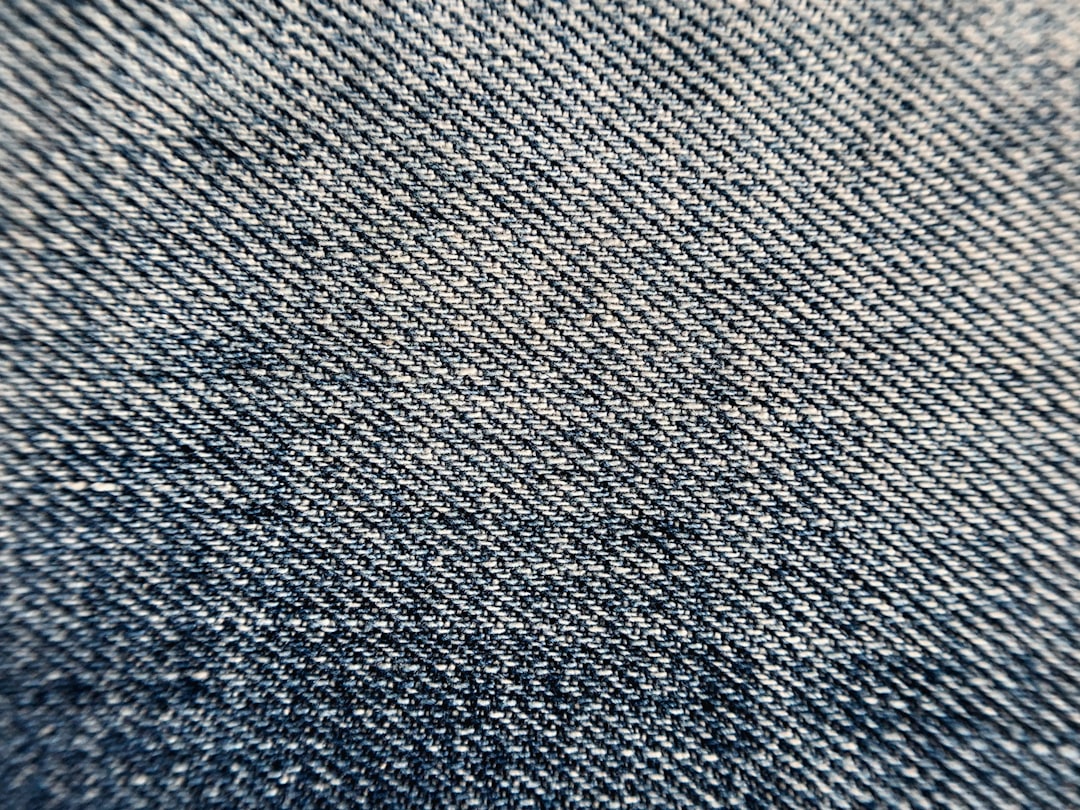
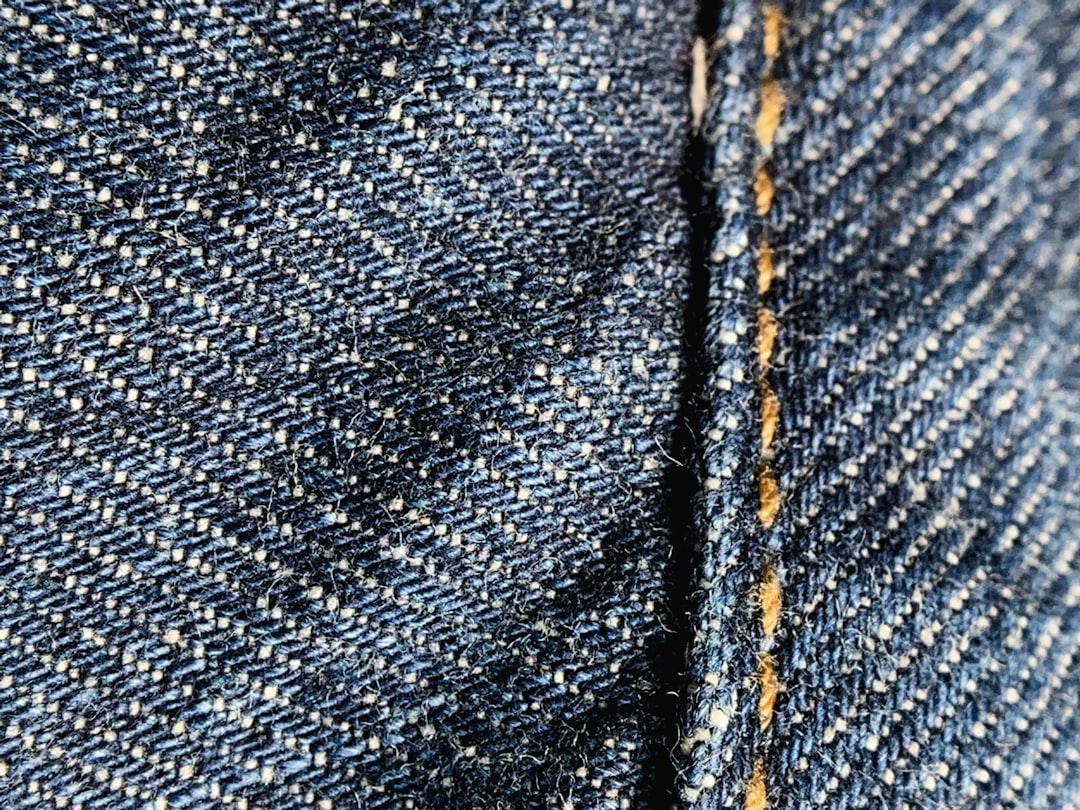
Selvedge: One of the most prominent features of the Lee 101 Riders is their Left-Hand Twill (LHT) denim. This weave, with its diagonal lines running from the upper left to the lower right, sets it apart from Levi’s Right-Hand Twill (RHT) and Wrangler’s Broken Twill. LHT denim has a larger proportion of warp yarns (indigo-dyed) on the surface compared to RHT, and its major appeal is the emphasis on vivid vertical fading with age. This fabric was primarily developed and supplied through a partnership with Canton Cotton Mills in Georgia, serving as a strategic partner for Lee, akin to Cone Mills for Levi’s. From around 1925, they also co-developed “Jelt Denim,” a unique denim designed for enhanced durability and tear resistance.
-
Hardware:
- Rivets / Bartacks: Early models used exposed copper rivets, but around 1925, rivets on the back pockets were replaced with X-tacks (bartacks). This was a measure to prevent damage to furniture and horse tack, and it was an industry-first initiative more than 10 years before Levi’s adopted hidden rivets in 1937.
- Buttons: The Lee-stamped donut buttons, with their distinctive central holes, are a hallmark of the 101 series.
- Zipper: From the 101Z models, introduced circa 1926–1927 (sources differ), Talon zippers were frequently used, becoming a symbolic detail showcasing Lee’s innovation.
-
Stitching:
- Back Pocket Stitching: The “Lazy S” stitching on the back pockets is arguably the most iconic feature of the Lee 101 Riders. This gently curved “S” shape, said to have been redesigned between 1944 and 1946, established Lee’s unique visual identity in contrast to Levi’s arcuates (two curved lines). Models prior to this (1920s-1930s) featured different patterns of arched stitching. The shape of the “Lazy S,” thread thickness, and placement of the embroidery subtly changed over the years, serving as crucial indicators for dating vintage pieces.
- Hemming: Chain stitching at the hem is a hallmark of vintage denim, and Lee also used Union Special 43200G series machines for this purpose.
-
Silhouette: The 101 Riders feature a deep rise, designed for comfort even when riding horses, as worn by cowboys and rodeo athletes. Its relaxed fit, yet possessing a blend of ruggedness and refinement, is one of the reasons it continues to attract many fans today.
4. How to Distinguish Authenticity and Era (Vintage vs. Replica)
To distinguish vintage Lee 101 Riders, there are several key points to consider.
- Being “Pre-VF”: After VF Corporation (which later acquired the Wrangler brand) bought Lee in 1969, production shifted overseas and selvedge denim gradually declined. Therefore, pieces from the mid-20th century and earlier (“Pre-VF” - before 1969) are significantly more valued as vintage items.
- Left-Hand Twill (LHT) Denim: Check the direction of the twill weave to confirm it is left-hand twill. Denim from Canton Cotton Mills can also be an indicator of high-quality vintage.
- Back Pocket Stitching: Compare the shape, placement, and thread thickness of the Lazy S stitching with the characteristics of different eras. Models prior to 1944-1946 feature stitching other than the Lazy S.
- Hardware:
- Rivets: Check if the back pocket rivets have been replaced with bartacks or if they are entirely bartacks.
- Buttons: Confirm that they are Lee-stamped donut buttons.
- Zipper: Check if Talon zippers or similar are used (depending on the model).
- Patch: Early models have leather patches, while from the 1950s onwards, paper patches (glassine paper patches) are used. The design and print content of the patch also provide clues for dating.
- Red Tab: The font and placement of the red tab sewn onto the right back pocket are also clues for identifying the era.
- Sanforized® Label: From the 1960s onwards, the “Sanforized®” label indicating pre-shrunk fabric may appear on the patch.
Replica brands (such as The Real McCoy’s, FULLCOUNT, WAREHOUSE, Iron Heart) faithfully reproduce these details, but they cannot replicate the unique charm of original “aging.”
5. Notable Figures and Cultural Appearances
The Lee 101 Riders have appeared on the bodies of numerous celebrities and in various cultural scenes. Their influence on American popular culture in the 1950s is particularly immeasurable.
Denim historians have confirmed across multiple sources that James Dean wore the Lee 101Z Rider in Rebel Without a Cause (1955) — though his costume in East of Eden (1955) was not denim, and although Giant (1956) also features denim wear, secondary sources that pin the brand down are limited. He was also a Lee enthusiast in private life. Dean’s on-screen pairs made Lee synonymous with rebellion and freedom, and the image rippled out to rock stars and artists alike, making the 101 an indispensable chapter in the story of 1950s–60s American culture. A 101Z pair purported to be from Rebel Without a Cause is also reported to have sold at auction in the 2000s for a high-five-figure USD price (primary source pending verification).
The Buddy Lee doll was also an important element of Lee’s branding strategy. Born in 1920, this composition doll, wearing Lee products, was displayed in shop windows, gained popularity among children, and became a stable brand mascot. Alongside Levi’s Two Horse Brand, it is remembered as an iconic mascot in the history of American denim.

6. Current Avenues for Acquisition (Vintage Market & Replica Brands)
Currently, there are primarily the following ways to acquire Lee 101 Riders:
- Vintage Market: You can purchase them from individual sellers or specialty stores on platforms like eBay, Yahoo! Auctions Japan, and international vintage shops. Prices vary greatly depending on the era, condition, and rarity, with early models from the 1920s-1930s being extremely rare and potentially fetching tens of thousands to over a hundred thousand US dollars in good condition. “Pre-VF” models from the 1950s-1960s, if deadstock, typically range from $1,500 to $4,000, while used items in good condition can be found for $500 to $2,000.
- Replica Brands: Japanese denim brands, particularly The Real McCoy’s, FULLCOUNT, WAREHOUSE, and Iron Heart, produce faithful reproductions of the Lee 101 Riders, available with modern sizing and finishes. These brands meticulously recreate the original details and the allure of left-hand twill denim, allowing enthusiasts to enjoy the brand’s spirit even if vintage pieces are out of reach.
- Lee Archive (Reproduction Line): In recent years, Lee itself has released reproductions of the 101 models through its official archive line, faithfully recreating the patterns and details of the originals.
7. Conclusion
The Lee 101 Riders are more than just denim pants; they are a crystallization of the American spirit and craftsmanship. The unique aging produced by left-hand twill denim, the details pursued for functionality, and the historical background that elevated them from rodeo cowboy attire to an icon of youth culture position these jeans as an immortal masterpiece in denim history.
If the Levi’s 501XX is a symbol of the working class, then the Lee 101 Riders embody the frontier spirit of westward expansion, freedom, and toughness. Their appeal is evident in the high prices they command in the vintage market and the diligent reproduction efforts by contemporary replica brands. Wearing Lee 101 Riders is not just about enjoying fashion; it is an experience that allows one to connect with the deep history of denim and American culture.
Find Related Items
You can browse the models and items featured in this article at the stores below.
Related Articles
Levi's 507XX Type II: A Nine-Year Legend Forging the Evolution of Workwear
The Levi's 507XX Type II, a denim jacket that transcended workwear to become a fashion icon. This article delves into its origins, details, and enduring influence.

Levi's 506XX Type I: The Genesis of the Denim Jacket, Its Journey from 1936 to 1953
From its birth to evolutionary details, wartime changes, and cultural impact, a denim historian delves into the Levi's 506XX Type I jacket.
Beyond the 'Third': The Untold Evolution and Legend of Levi's 557XX Trucker Jacket
A deep dive into the history, design, cultural significance, and vintage market value of the Levi's 557XX (Type III) trucker jacket.