Pure Blue Japan XX-013: The Essence of Single Indigo Dyed Selvedge Denim Crafted by an Independent Kojima Brand
Delving into the history, construction, and cultural significance of the XX-013 model from Pure Blue Japan, an independent brand based in Kojima, featuring single indigo dyed selvedge denim.
by editorial
This article contains affiliate links. We may earn a commission at no extra cost to you.
Pure Blue Japan XX-013: The Essence of Single Indigo Dyed Selvedge Denim Crafted by an Independent Kojima Brand
Introduction — Why This Item is Culturally Significant
The material known as denim transcends mere apparel; it has been intricately woven into people’s lifestyles and cultures across generations. Among these, Japanese denim, particularly “Kojima Denim,” garners intense admiration from denim enthusiasts worldwide for its unparalleled quality and meticulous craftsmanship. The “Pure Blue Japan XX-013,” the focus of this article, is a prime example from Blue Resources Inc., an independent brand based in Kojima, embodying the brand’s core philosophy.
As the brand name “Pure” suggests, the XX-013 employs “single indigo dyeing,” eschewing any blending of dyes to pursue the inherent beauty of indigo. This commitment signifies the brand’s deep dedication to its dyeing techniques, utilizing only indigo as a single dye for the warp threads, achieved through rope dyeing, without any synthetic or sulphur dyes. This uncompromising approach maximizes the denim’s natural fading and aging characteristics, offering the wearer a truly unique experience of cultivating their garment. The XX-013 stands as a culturally significant denim piece, embodying the modern aesthetic of raw denim.
Shop the items featured in this article
ピュアブルー Pure blue japan デニム USED-003-ID StraightView on Rakuten → ピュアブルー Pure blue japan デニム XX-019 14oz. Indigo Relaxed TaperedView on Rakuten →Historical Context — Year of Origin and Brand Context
Blue Resources Inc., the company behind Pure Blue Japan, is an independently capitalized enterprise based in Kojima, Okayama Prefecture, Japan. While definitive primary sources regarding the brand’s specific establishment year or the XX-013 model’s launch date are subjects for future research, references such as an interview with Kenichi Iwaya of Heddels in 2018 suggest that the brand has carved out its unique position within Kojima’s long history of denim manufacturing, centered on the fundamental exploration of denim’s essence.
Kojima has been a central hub for Japanese jeans production since its early days, where numerous brands and artisans have honed their skills. Blue Resources Inc. belongs to this rich lineage of denim manufacturing in Kojima, yet it operates as an independent entity, separate in capital from Ai-to-ya (Japan Blue Co., Ltd., the operator of Momotaro Jeans and Japan Blue Jeans). This independent standing allows the brand to develop products based on its unique philosophy, free from external constraints.
The commitment to “single indigo dyeing,” as seen in the XX-013, reflects the brand’s foundational ideology of focusing on the profound depth and aging characteristics of indigo, even in an era where diverse color palettes from synthetic dyes have become prevalent, and in contrast to a historical background that strongly favored natural indigo.
Structural Details — Selvedge, Hardware, Stitching, Silhouette
The Pure Blue Japan XX-013 is packed with meticulous details designed to impress even the most discerning denim aficionados.
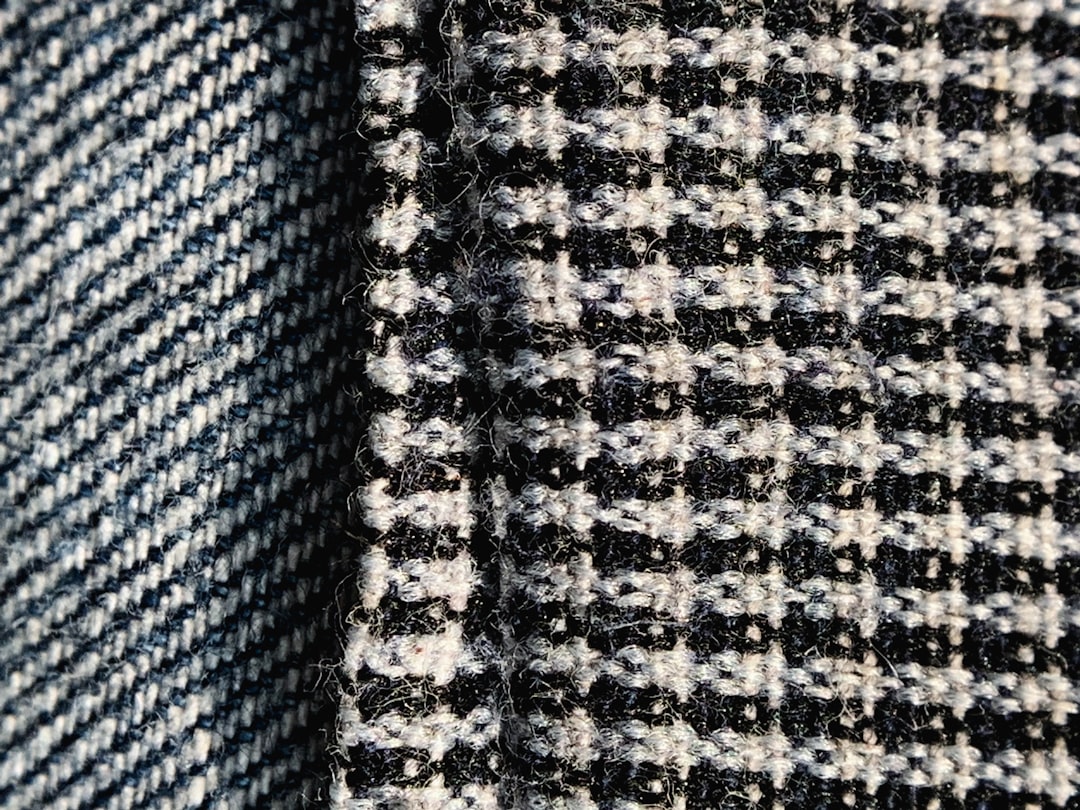
- Fabric: A hallmark of the XX-013 is its 14-ounce selvedge denim. It features a slightly slubby, uneven weave, which contributes to its unique texture and fading patterns. The weave is a 3x1 Right-Hand Twill (RHT), a common weave structure for denim. The warp threads are dyed with indigo via rope dyeing, while the weft threads are undyed natural white cotton. This “warp-only indigo dyeing” composition is key to achieving the deep indigo hue and the distinctive fade where the white weft threads become visible.
- Selvedge: The XX-013 features a selvedge edge. This is the “ear” of the denim that forms during weaving, preventing fraying. While precise details regarding the color of the XX-013’s selvedge may vary slightly depending on the retailer, it is generally categorized as a red-line selvedge.
- Hardware: The buttons are custom nickel buttons bearing the Pure Blue Japan logo. These buttons develop a unique patina over time, contributing to the overall aging of the denim. The rivets are also crucial components that enhance the denim’s durability.
- Stitching: Thick cotton threads are used for stitching, with bar tack reinforcements at stress points, ensuring robustness. The chain stitching on the hem, for instance, is a detail that evokes denim’s artisanal craftsmanship.
- Patch: One of the most distinctive features of the XX-013 is its deerskin leather patch. Engraved with the Pure Blue Japan logo, it transforms into a deep amber hue with wear, developing a one-of-a-kind character alongside the denim.
- Silhouette: The XX-013 features the brand’s representative “Slim Tapered” silhouette with a mid-rise. While contemporary and slim-fitting, the tapered cut creates a clean line towards the ankle, making it versatile for various styling options.
- Signature: A notable design element unique to the brand is the embroidery of the indigofera leaf. This is a subtle yet symbolic design feature that signifies Pure Blue Japan’s identity.
How to Distinguish Authenticity/Era (Vintage vs. Replica)
The “Pure Blue Japan XX-013” is a current model available for purchase new. Therefore, the distinction between “authenticity” and “era” in the context of the vintage market is currently limited. However, due to the inherent nature of denim, which ages over time, the degree of wear and fading on a garment in the used or secondary market can provide a reasonable indication of how much it has been worn.
New XX-013 models adhere to the brand’s specifications, including 14oz One Wash selvedge, slim tapered fit, mid-rise, deerskin patch, custom nickel buttons, and indigofera leaf embroidery. Any significant deviations from these details might suggest a replica or a different product line from the brand (for example, the AI-013 “Aizome” line, which focuses on 100% natural indigo and differs from the XX-013).
In terms of vintage replicas, the XX-013 itself is a modern model and is not created to “imitate” vintage denim. However, the brand’s approach to “single indigo dyeing” can be seen as a homage to traditional indigo dyeing techniques and an effort to revive their essence in the modern era.
Notable Figures and Cultural Appearances
There is currently no widely publicized information about the Pure Blue Japan XX-013 being symbolically worn by specific celebrities or featured in prominent media such as films or music. This may reflect the brand’s emphasis on the quality of the product itself and the experience of cultivating denim, rather than on ostentatious promotion.
However, its availability through reputable denim media and authorized retailers worldwide, including Heddels, Long John, Denimhunters, Okayama Denim, Clutch Cafe, Blue Owl Workshop, Totem Brand, HINOYA, Statement, Redcast, and Mildblend, is a testament to the model’s high regard among global denim aficionados. Particularly in the West, the brand’s unwavering commitment to “Pure” – that is, indigo dyeing without dye mixtures – is deeply appreciated by denim enthusiasts as a stance that pursues the intrinsic charm of denim.
The XX-013 is not positioned as a specific “icon” but is quietly yet definitively recognized for its value among individuals who appreciate the profound depth of denim and enjoy cultivating it alongside their lifestyles.
Current Availability (Vintage Market, Replica Brands)
As the Pure Blue Japan XX-013 is a current model, purchasing it new is the most reliable method. It can be bought at authorized retailers both domestically and internationally (e.g., Totem Brand, Blue Owl Workshop, HINOYA, Statement, Redcast, Mildblend).
In the secondary market, the XX-013 and its variations (such as the 18oz IDBK) occasionally appear. Garments with significant fading can be attractive options for denim enthusiasts seeking unique individual wear patterns. However, when purchasing used items, it is crucial to carefully inspect the fabric condition, fading, and any damage.
From the perspective of “replica brands,” the XX-013 is a modern model and not a replica designed to imitate vintage denim. However, within the Kojima denim lineage, brands such as BIG JOHN RARE (established 1983), Momotaro Jeans (established 2006), and Japan Blue Jeans (established 2010) exist, each with distinct philosophies. These brands, also based in Kojima, produce denim with their own unique commitments, pursuing the charm of denim through different approaches than the XX-013.
- Pure Blue Japan XX-013: Operated by Blue Resources Inc. (independent capital). Characterized by single indigo dyeing, deerskin patch, and indigofera leaf embroidery.
- Momotaro Jeans: Operated by Japan Blue Co., Ltd. (Ai-to-ya). Features pink selvedge, GTB stripes, and pink inseam stitching.
- Japan Blue Jeans: Operated by Japan Blue Co., Ltd. (Ai-to-ya). Features a blend of Zimbabwean and Memphis cotton, among other characteristics.
- BIG JOHN RARE: Operated by Big John Co., Ltd. Features unique material development, including domestic selvedge and artificial slub yarn.
These brands, while sharing a common root in Kojima, operate under independent capital and philosophies, presenting diverse interpretations of denim.
Conclusion
The Pure Blue Japan XX-013 embodies the sincere pursuit of denim as a material by Blue Resources Inc., an independently capitalized brand rooted in Kojima. The brand’s philosophy of “Pure,” manifested in an unwavering commitment to “single indigo dyeing” without any mixture of sulphur or other dyes, maximizes the denim’s inherently deep color and the rich experience of its evolution alongside the wearer.
Details such as the 14-ounce selvedge denim, warp-dyed indigo fabric, deerskin patch, custom nickel buttons, and the indigofera leaf embroidery all contribute to the narrative of this single pair of jeans. The slim tapered silhouette harmonizes with modern styling, allowing for the full enjoyment of raw denim’s aging process.
The XX-013 is more than just a pair of jeans; it is a cultural artifact where the history of denim, its craftsmanship, and the wearer’s lifestyle converge. Its uncompromising manufacturing process has earned it a solid reputation among denim enthusiasts worldwide, and it will undoubtedly continue to make its mark in the realm of denim dye, selvedge, and raw denim.
Find Related Items
You can browse the models and items featured in this article at the stores below.
Related Articles
Levi's 507XX Type II: A Nine-Year Legend Forging the Evolution of Workwear
The Levi's 507XX Type II, a denim jacket that transcended workwear to become a fashion icon. This article delves into its origins, details, and enduring influence.
Levi's 506XX Type I: The Genesis of the Denim Jacket, Its Journey from 1936 to 1953
From its birth to evolutionary details, wartime changes, and cultural impact, a denim historian delves into the Levi's 506XX Type I jacket.
Beyond the 'Third': The Untold Evolution and Legend of Levi's 557XX Trucker Jacket
A deep dive into the history, design, cultural significance, and vintage market value of the Levi's 557XX (Type III) trucker jacket.