WAREHOUSE Lot.1001XX: A Replic of the 1947 501XX Crafted by the Shiotani Brothers — The Flagship of the Last Brand from Osaka's 'Five Gentlemen'
A deep dive into the WAREHOUSE Lot.1001XX 1947 model variation. We explore the essence of vintage denim pursued by the Shiotani brothers, one of Osaka's renowned 'Five Gentlemen' brands.
by editorial
This article contains affiliate links. We may earn a commission at no extra cost to you.
WAREHOUSE Lot.1001XX: A Replica of the 1947 501XX Crafted by the Shiotani Brothers — The Flagship of the Last Brand from Osaka’s ‘Five Gentlemen’
1. Introduction — Why This Item Holds Cultural Significance
The world of denim is rich with timeless masterpieces that are passed down through generations. Among these, the Levi’s 501XX, particularly the 1947 model, stands as an iconic symbol, projecting the ideal image of jeans for countless denim enthusiasts and brands. In the history of vintage denim reproduction in Japan, numerous brands emerged, paying homage to this 1947 model and reviving it with their unique interpretations. Among them, “WAREHOUSE & Co.” (hereinafter referred to as “WAREHOUSE”), established in Osaka in 1995, released the “Lot.1001XX” series. The version inspired by the 1947 model, in particular, has transcended mere replica status to establish a solid position in today’s denim culture.
WAREHOUSE’s establishment marks it as the last of the brands known as the “Osaka Five Gentlemen” that emerged in the 1990s. Standing on the foundation laid by pioneers like Studio D’Artisan, DENIME, EVIS (later EVISU), and FULL COUNT, brothers Kenichi and Yasuji Shiotani aimed to reproduce, to the utmost degree, the intangible essence of vintage denim—its “atmosphere” and “character”—which cannot be quantified. The approach to Lot.1001XX, especially the 1947 model iteration, is positioned as the flagship embodying the brand’s identity.
Shop the items featured in this article
WAREHOUSE ウエアハウス 13.5oz|オリジナルストレート|ノンウォッシュ『Lot.1001XX ORIGINAL STRAIGHT』【アメカジ・ワ…View on Rakuten → ウェアハウス(WAREHOUSE)Lot 1001XX (OR)NON WASH ノンウォッシュデニムパンツ【送料無料】View on Rakuten →2. Historical Background — Birth Year and Brand Context
WAREHOUSE was founded in Osaka in 1995 by Kenichi and Yasuji Shiotani. Born in 1973 as twins, the brothers were involved in denim production at Evis Jeans (later EVISU) at a young age, where they experienced the profound depth of vintage denim. Building on that experience and passion, they struck out on their own to establish WAREHOUSE. At the time of their founding, both were just 21 years old. Despite their youth, their meticulous attention to vintage denim details and their high technical skill in reviving them quickly garnered the attention of denim enthusiasts.
The brands referred to as the “Osaka Five Gentlemen” each focused on the common motif of Levi’s 501XX, yet differentiated themselves through unique interpretations, materials, and silhouettes. Among the historically established brands like Studio D’Artisan (1979), DENIME (1988), EVIS (1991), and FULL COUNT (1992), WAREHOUSE, though the last to emerge in 1995, made its presence felt. The Lot.1001XX series was developed as WAREHOUSE’s flagship from its early days, and the version strongly inspired by the 1947 model, in particular, gained widespread support as a product that embodied the brand’s philosophy of “reproducing the atmosphere of vintage.” The copper rivets on the WAREHOUSE Lot.1001XX are stamped with “K.K.,” a unique detail of WAREHOUSE derived from the Shiotani brothers’ initials.
3. Structural Details — Selvedge, Hardware, Stitching, Silhouette
The 1947 model variation of WAREHOUSE Lot.1001XX stands out for its exceptional attention to detail, even among the many Levi’s 501XX reproductions.
-
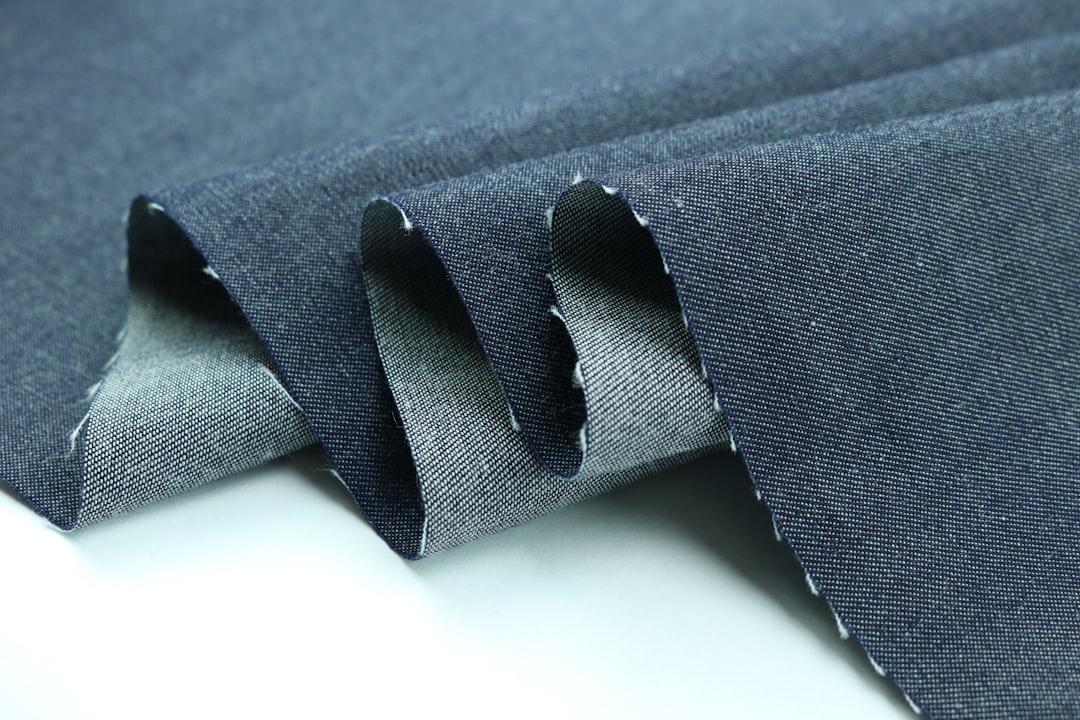
Fabric: It features a 3x1 Right-Hand Twill (RHT) denim fabric, a common specification for Levi’s 501XX from 1947. The yarn is Indigo Dye using Rope Dyeing, carefully processed to retain a white core. This ensures that the vertical fading (honeycombs), whiskers, and other signs of wear that develop over time will appear with dramatic flair. The fabric’s weight is approximately 13.5oz, which, while substantial, possesses a texture that conforms comfortably to the skin. Naturally, it is equipped with Selvedge (the ear), a hallmark of true denim, which will reveal its characteristic appearance with fading.
-
Hardware:
- Buttons: It features a button-fly closure with stamped steel or brass-toned buttons. With prolonged use, these buttons develop a unique patina, lending them a vintage character.
- Rivets: The back pockets are equipped with hidden rivets, a feature used from around 1937 to 1966, faithfully replicating the 1947 specifications. Notably, the WAREHOUSE Lot.1001XX rivets are made of copper and are stamped with “K.K.,” the initials of the Shiotani brothers. Unlike Levi’s original copper-plated steel rivets, this is a unique WAREHOUSE specification that balances respect for vintage with brand individuality.
- Patch: On the back waistband, a leather patch replicating Levi’s iconic “Two Horse Brand” is present, drawing inspiration from the design used from 1886 to 1955.
-
Stitching:
- Arcuate Stitching: The iconic Levi’s Arcuate Stitching adorns the back pockets. While the shape and thread color of this stitching vary subtly by era, the 1947 model version captures its characteristics accurately.
- Bar Tacks: Stress points, such as the crotch and pocket corners, are reinforced with bar tacks for enhanced durability.
-
Silhouette: In WAREHOUSE’s lineup, Lot.1001XX is classified as a “Loose Straight.” The version based on the 1947 model, unlike modern slim fits, recreates the relaxed fit of the era while avoiding an overly bulky appearance, resulting in a refined silhouette. This exquisite balance is one of the reasons it captivates so many fans.
4. Authenticity and Dating: Vintage vs. Replica
Distinguishing between vintage Levi’s 501XX and high-quality replicas like WAREHOUSE Lot.1001XX involves several key points.
Characteristics of Vintage 501XX:
- Fabric: Years of wear leave behind unique fades, honeycombs, whiskers, and abrasions. The fuzziness and nep of the fabric also contribute to the vintage texture.
- Hardware: Rivets and buttons show signs of rust and wear. Rivets, in particular, made of copper-plated steel, can develop a unique green patina over time.
- Patch: The leather patch often exhibits cracking, wear, and loss, making it difficult to decipher.
- Stitching: Arcuate stitching may show thread fraying and fading.
- Paper Tag: From the late 1940s onwards, paper care labels were attached, but these are often tattered and degraded.
Characteristics of WAREHOUSE Lot.1001XX (1947 Model Variation):
- Fabric: When new, there is minimal fading or abrasion. However, the fabric’s texture, weave, and color accurately reproduce the feel of the era. Fading develops according to the wearer’s lifestyle.
- Hardware: Rivets are stamped with “K.K.” and are made of copper. Buttons are also stamped and retain their shine when new.
- Patch: The leather patch features a crisp print when new, with wear and character developing over time.
- Stitching: Arcuate stitching is uniform and clearly defined.
- Red Selvedge: The Selvedge is a vibrant red when new and develops abrasions with wear.
Dating Vintage Models: When focusing on the 1947 model, consider the following:
- Hidden Rivets: Introduced around 1937 and used until around 1966. The 1947 model falls within this period.
- Arcuate Stitching: In the late 1940s, the arcuate stitching was typically sewn onto the pocket.
- Cinch Strap: The cinch strap was generally abolished in the 1947 model. However, some sources may indicate variations in dating.
- Red Tab: The “Big E” red tab was used from 1936 to 1971. The 1947 model falls within this period.
WAREHOUSE Lot.1001XX meticulously reproduces these vintage characteristics, exuding a presence that can almost be mistaken for genuine vintage at first glance. However, details in its new state (stamping, clarity of stitching, lack of fading, etc.) serve as definitive proof of its replica status.
5. Appearances by Celebrities and Cultural Sightings
The WAREHOUSE Lot.1001XX, especially the 1947 model variation, is highly regarded by denim enthusiasts and fashion industry professionals. It is stocked in denim specialty stores and select shops worldwide and is frequently featured in prominent international denim media such as Heddels.
While there aren’t widely known public appearances by specific celebrities wearing this particular model, its quality and craftsmanship are well-recognized among fashion influencers and vintage denim collectors. They praise the Lot.1001XX as “one of the most faithful modern reproductions of the Levi’s 501XX from that era,” adding it to their collections or wearing it in their daily lives.
Furthermore, WAREHOUSE’s presence is significant within the context of Japan’s vintage denim reproduction culture. Alongside pioneers like Studio D’Artisan, DENIME, EVISU, and FULL COUNT, it has solidified its position as a leading Japanese denim reproduction brand. The Lot.1001XX, as its flagship, is recognized as one of the key icons in denim culture both domestically and internationally.
6. Current Availability (Vintage Market & Replica Brands)
The WAREHOUSE Lot.1001XX 1947 model variation is currently available both new and pre-owned.
- New: New items can be purchased at WAREHOUSE’s directly managed stores and authorized retailers worldwide. WAREHOUSE regularly updates and makes minor revisions, so it is advisable to check the latest specifications when purchasing. Washed models (such as Heavy Ounce Washed) are also available.
- Vintage Market: Early releases of Lot.1001XX from the late 1990s to the early 2000s can be found in the used clothing market. Depending on the condition, they may be available at more affordable prices than new items, but the degree of fading and wear varies significantly from piece to piece.
- Overseas Retailers: Prominent international denim specialty stores like Clutch Cafe, Burg & Schild, and Second Sunrise carry a wide selection of WAREHOUSE products. These stores may offer models not found in Japan or the latest collections.
7. Conclusion
The WAREHOUSE Lot.1001XX 1947 model variation transcends being a mere replica of Levi’s 501XX. It is a product born from the high standards of Japanese denim reproduction and the profound love for denim held by the Shiotani brothers. By pursuing the “atmosphere” and “character” of vintage denim and meticulously focusing on every detail—from fabric and stitching to components—they have created a piece that retains its appeal to this day.
As one of the “Osaka Five Gentlemen” and the last brand to emerge, WAREHOUSE has forged its path in the denim world with its unique philosophy, without yielding to others. The Lot.1001XX is the flagship embodying that philosophy, a testament to the successful fusion of respect for the timeless masterpiece that is the 1947 501XX and the creation of new value in the modern era. It is an item that denim aficionados must see. Wearing this pair and cultivating your own unique aging process is, in itself, an experience of touching the history of vintage denim and forging new history.
Find Related Items
You can browse the models and items featured in this article at the stores below.
Related Articles
Levi's 507XX Type II: A Nine-Year Legend Forging the Evolution of Workwear
The Levi's 507XX Type II, a denim jacket that transcended workwear to become a fashion icon. This article delves into its origins, details, and enduring influence.
Levi's 506XX Type I: The Genesis of the Denim Jacket, Its Journey from 1936 to 1953
From its birth to evolutionary details, wartime changes, and cultural impact, a denim historian delves into the Levi's 506XX Type I jacket.
Beyond the 'Third': The Untold Evolution and Legend of Levi's 557XX Trucker Jacket
A deep dive into the history, design, cultural significance, and vintage market value of the Levi's 557XX (Type III) trucker jacket.