The Lineage of the 'Cowboy Cut': Wrangler 11MWZ, a Challenge to Slim Silhouettes and Its Historical Significance
Delve into the untold story of the Wrangler 11MWZ, its groundbreaking design, and its role as a fashion icon, as explored by a denim historian.
by editorial
This article contains affiliate links. We may earn a commission at no extra cost to you.
The Lineage of the ‘Cowboy Cut’: Wrangler 11MWZ, a Challenge to Slim Silhouettes and Its Historical Significance
The evolution of denim from mere workwear to a timeless fashion icon is a narrative woven through the creation of numerous legendary jeans and the history they’ve etched. Among them, the “13MWZ Cowboy Cut,” released by the American workwear brand Wrangler in 1947, stands as a true legend, engineered to withstand the rigors of cowboys and rodeo athletes. However, within the Wrangler lineage, there exists another unsung hero that, while inheriting the DNA of the “13MWZ,” dared to embrace the modern “slim” silhouette: the “11MWZ.”
As a denim historian, this article will focus on the “11MWZ,” delving into its background, innovative design, and its historical significance in the annals of fashion.
1. Introduction — Why This Item is Culturally Significant
The roots of the Wrangler brand trace back to 1904, with the founding of Hudson Overall Company in Greensboro, North Carolina, by C.C. Hudson. Over time, Globe Manufacturing was renamed “Blue Bell Overall Company” in 1929. Through the acquisition of Casey Jones, the brand inherited the “Wrangler” trademark. In 1947, Blue Bell launched the new “Wrangler” brand, introducing its flagship model, the “13MWZ Cowboy Cut.”
This “13MWZ Cowboy Cut” was based on the innovative design philosophy of Rodeo Ben Lichtenstein, meticulously pursuing the functionality and durability demanded by cowboys and rodeo competitors. Evidence of this includes the adoption of “scratchless” or “concealed” rivets to prevent damage to saddles, the use of durable regular twill fabric, and the distinctive “W” stitching (embossed) on the back pockets. These details were instrumental in establishing Wrangler not just as a workwear brand, but as a specialized brand catering to the needs of a specific user base.
2. Historical Context — Year of Origin and Brand Context
The exact year of the “11MWZ“‘s debut is a subject of debate among denim enthusiasts and collectors. While some sources suggest it appeared in the same year as the original “13MWZ” in 1947, reliable sources like Heddels place its introduction around 1964. Furthermore, within the vintage market, it is recognized as a model from the early 1980s.
Regardless of which theory holds true, the “11MWZ” is generally positioned as a “slim” derivative model, belonging to the lineage of the successful “13MWZ” Cowboy Cut. This reflects the broader fashion trend of the 1960s and beyond, which saw a shift towards more refined silhouettes, demonstrating Wrangler’s commitment to product development that kept pace with the times.
While the detailed specification changes from the “13MWZ” to the “11MWZ” will be explored in the next chapter, the most notable alteration was the silhouette, representing a deliberate effort to adapt to more contemporary styles.
Shop the items featured in this article
ラングラー Wrangler 13MWZ カウボーイカットジーン リジッド COWBOY CUT JEAN RIGID 生デニム | ジーンズ メンズ 定番…View on Rakuten → WRANGLER (Wrangler) ラングラー 13MWZ COWBOY CUT カーボーイカット 未洗い USAライン 【デニムブルー】View on Rakuten →3. Structural Details — Selvedge, Hardware, Stitching, Silhouette
To truly understand the “11MWZ,” close attention to its intricate details is essential.
-
Silhouette: While the “13MWZ” featured a relaxed, regular straight fit designed for rodeo athletes, the “11MWZ” adopts a slimmer, more tapered silhouette. This makes it more adaptable to contemporary fashion styles and appealing to a broader audience.
-
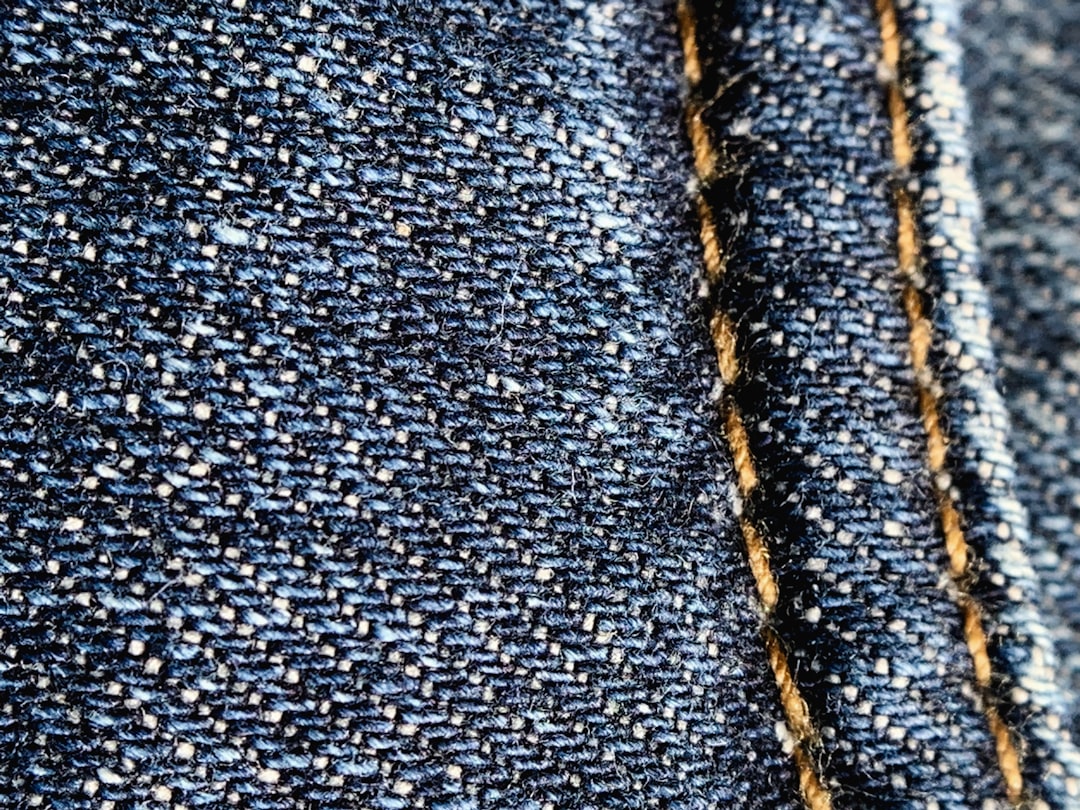
Fabric: A fabric famously associated with Wrangler’s tradition is the Broken Twill, adopted in 1964. Unlike traditional Right-Hand Twill (RHT), this broken twill features alternating diagonal weaves, which significantly reduces the “twist” that can occur during washing and wear. While it’s suggested that early “11MWZ” models might have used regular twill, it is believed that this Wrangler-traditional broken twill was inherited in later models and some vintage iterations.
-
Dyeing: Wrangler jeans are characterized by their Indigo Dye achieved through a technique called Rope Dyeing. In this method, only the warp yarns are bundled together like a rope and dipped multiple times in an indigo bath. This results in a “core white” state where the center of the yarn remains undyed. Consequently, fading appears vertically, creating a unique texture known as “vertical fading.”
-
Hardware:
- Zipper Fly: Similar to the “13MWZ” which featured a zipper fly from its early days, the “11MWZ” also sports a zipper fly. This offers practicality with easier donning and doffing compared to button flies, while also contributing to a more modern design aesthetic.
- Concealed Rivets (“scratchless” / “concealed rivets”): A hallmark feature, these rivets are covered with fabric to prevent scratching saddles, a detail inherited from the “13MWZ” that strongly signifies Wrangler’s “cowboy” identity. This stands in contrast to Levi’s exposed Copper Rivets.
- “W” Stitching on Back Pockets: The iconic “W” stitching (embossed) on the back pockets serves as Wrangler’s brand emblem and adds a design accent.
- Branded Engraving: Buttons and rivets are engraved with the Wrangler logo and brand name, showcasing the brand’s meticulous attention to detail.
4. Identifying Authenticity and Age (Vintage vs. Replica)
When identifying vintage “11MWZ” models, several points are crucial:
- Patch: Early models typically used leather patches, while later ones tended to feature paper patches (like Jacron). However, the transition period for Wrangler’s patches is subject to varying accounts, making definitive dating difficult.
- Zipper: The manufacturer and style of the zipper (e.g., Talon, Scovill) can provide clues to the era.
- Stitch Color and Density: The color of the “W” stitching on the back pockets and other sewing threads, as well as stitch density, can also vary by age.
- Fabric Texture: Natural fading, wear marks, and fabric fuzziness characteristic of vintage items are difficult to replicate. The aging of broken twill, in particular, tells the story of the garment’s history.
5. Notable Appearances in Culture and by Celebrities
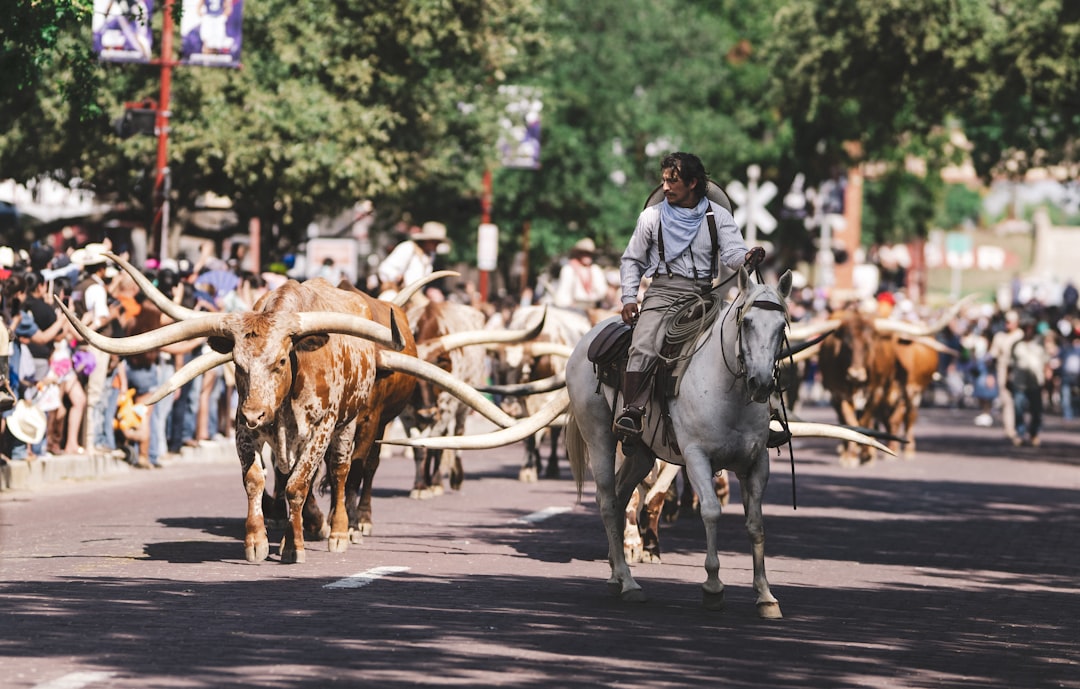
While the “13MWZ” garnered immense support among cowboys, the “11MWZ,” with its slim silhouette and modern design, appealed to a more fashion-conscious demographic, particularly gaining traction among younger audiences during the “Americana” boom from the 1980s onwards.
The “11MWZ” was often compared to slim-fit models offered by other brands at the time. This included models like Levi’s “501Z” (a zipper fly variant) and Lee’s “101Z.” However, the original fit models like Levi’s 501 and Lee 101 originally featured straighter silhouettes, differentiating them from the “slim” category of the 11MWZ. More direct “slim” derivatives, such as Levi’s “511” and “510,” or Lee’s “200” and “101S,” would emerge in later years.
By successfully balancing its refined silhouette with Wrangler’s signature durable construction, the “11MWZ” transcended its workwear origins to establish itself as a staple in casual fashion.
6. Current Availability (Vintage Market & Replica Brands)
Acquiring an authentic “11MWZ” today typically involves the following avenues:
- Vintage Market: The most common places to search are eBay, Etsy, or domestic and international vintage denim specialty stores. Prices vary significantly based on condition, age, and rarity. Especially, early models or those in excellent condition can command high prices among collectors.
- Replica Brands & Retro Models: Wrangler itself occasionally releases復刻 (reissued) models of its past masterpieces. Additionally, brands licensed by Wrangler, or those inspired by Wrangler’s style, may produce and sell slim-fit jeans reminiscent of the “11MWZ” with modern interpretations. These offer the advantage of enjoying a vintage aesthetic while wearing garments with contemporary sizing and quality.
7. Conclusion
Wrangler’s “11MWZ” is a crucial piece in the “lineage of slim silhouettes,” successfully carrying the grand legacy of the “13MWZ Cowboy Cut” while daring to embrace a modern silhouette. Its creation is imbued with the brand’s ambition to capture the changing times and evolving fashion landscape.
More than just a pair of jeans, the “11MWZ” serves as a testament to the history of American workwear and the evolution of fashion. Its refined silhouette, traditional Wrangler details, and timeless appeal are sure to continue captivating denim enthusiasts for years to come.
Comparison Table: 11MWZ vs. 13MWZ vs. Levi’s 501 vs. Lee 101Z
| Feature | Wrangler 11MWZ (Slim Tapered) | Wrangler 13MWZ (Cowboy Cut, Regular Straight) | Levi’s 501 (Original Fit) | Lee 101Z (Zipper Fly) |
|---|---|---|---|---|
| Estimated Year of Debut | 1947 theory / circa 1964 / 1980s theory (accounts vary) | 1947 (Rodeo Ben Lichtenstein design, for rodeo) | circa 1890 (Lot 501) | 1926 (Lee official) / 1927 (some sources) |
| Silhouette | Slim Tapered | Regular Straight (Cowboy Cut, for rodeo) | Straight Fit | Straight Fit |
| Twill | Broken Twill (post-1964) / Regular Twill (early theory possible) | Regular Twill (1947 launch) → Broken Twill (post-1964) | Right-Hand Twill (RHT) | Left-Hand Twill (LHT) |
| Fly | Zipper Fly | Zipper Fly (adopted from 1947 launch) | Button Fly | Zipper Fly |
| Back Pocket Stitching | ”W” Stitching (Embossed) | “W” Stitching (Embossed) | Arcuate Stitching | Lazy S Stitching |
| Rivets | Concealed Rivets (Scratchless/Concealed Rivets, for saddle protection) | Concealed Rivets (Scratchless/Concealed Rivets, for saddle protection) | Copper Rivets (Exposed) → Hidden Rivets (1937-1966) → X-tack (1966-) | Rivets removed from back pockets in 1925 → X-tack (12 years before Levi’s adopted hidden rivets) |
| Patch | Leather → Paper (uncertain date, multiple theories) | Leather → Paper (uncertain date, multiple theories) | “Two Horse” Leather Patch (1886-1955) → Jacron Paper Patch (1955-) | Leather → Glassine Paper (transition in the 1950s) |
| Primary Country of Manufacture | USA | USA | USA | USA |
| Fabric Weight (oz) | Approx. 14.75 oz (similar to 13MWZ, varies by era/country) | Approx. 14.75 oz (varies by era/country) | 12-13 oz (Cone Mills White Oak) | 13.5-14 oz (Canton Cotton Mills) |
- Note: The above are general specifications and may vary by era and country of manufacture.
- Note: The debut year of the 11MWZ is subject to various theories, and it may not have been contemporaneous with all comparison models.
- Note: The transition period for Wrangler’s leather to paper patches is pending verification of primary sources. Updates to brand_facts will be made via separate PRs once confirmed, hence the ambiguity in this article.
Find Related Items
You can browse the models and items featured in this article at the stores below.
Related Articles
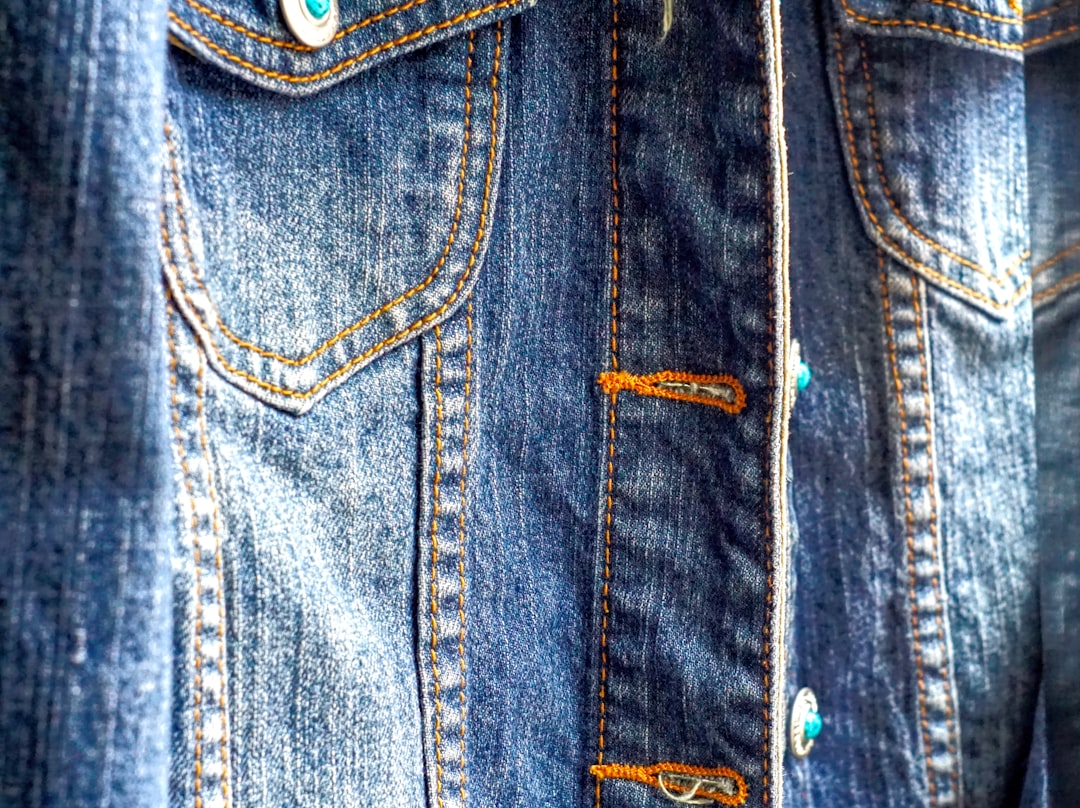
Levi's 507XX Type II: A Nine-Year Legend Forging the Evolution of Workwear
The Levi's 507XX Type II, a denim jacket that transcended workwear to become a fashion icon. This article delves into its origins, details, and enduring influence.

Levi's 506XX Type I: The Genesis of the Denim Jacket, Its Journey from 1936 to 1953
From its birth to evolutionary details, wartime changes, and cultural impact, a denim historian delves into the Levi's 506XX Type I jacket.
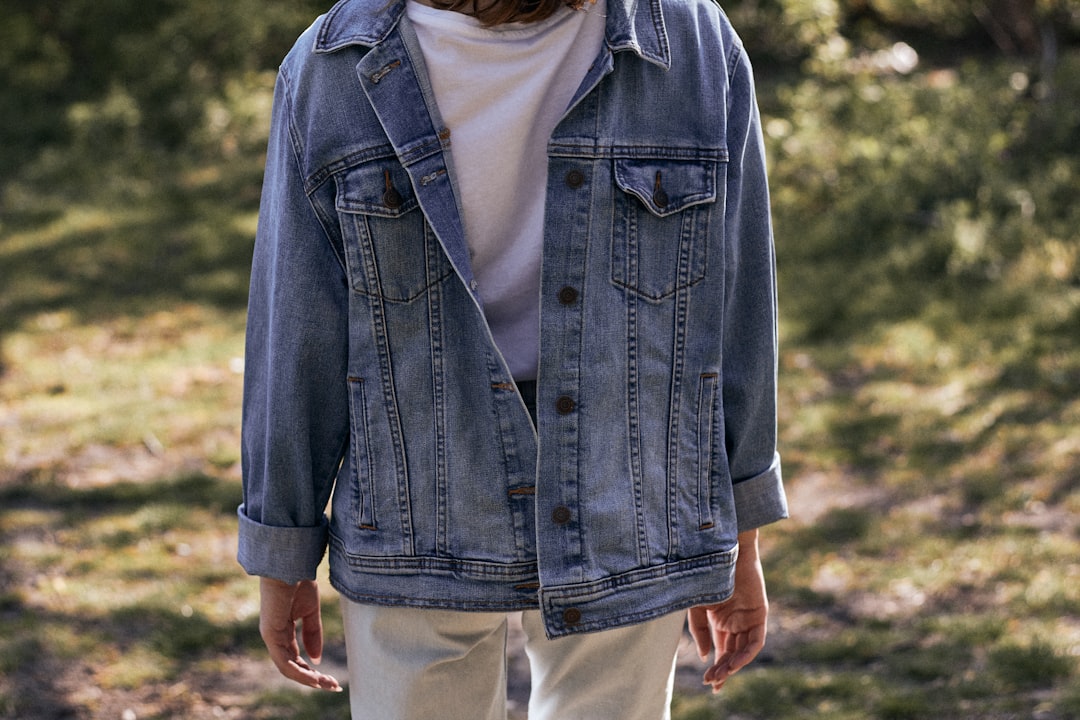
Beyond the 'Third': The Untold Evolution and Legend of Levi's 557XX Trucker Jacket
A deep dive into the history, design, cultural significance, and vintage market value of the Levi's 557XX (Type III) trucker jacket.