Wrangler 13MWZ Cowboy Cut: The Rodeo Workwear Reinvented, Establishing the Third Axis of American Denim in 1964 with Broken Twill
Born in 1947 from the innovative design philosophy of Rodeo Ben, the Wrangler 13MWZ Cowboy Cut. This article delves into its history and cultural significance, solidified by the adoption of broken twill.
by editorial
This article contains affiliate links. We may earn a commission at no extra cost to you.
Wrangler 13MWZ Cowboy Cut: The Legend That Reinvented Rodeo Workwear and Established the Third Axis of American Denim
1. Introduction — Why This Item Holds Cultural Significance
For a long time, the history of American denim was primarily told through two great icons: the Levi’s 501XX and the Lee 101 Riders/101Z. However, the stories of these two giants alone cannot fully capture the American working culture fostered by denim as a material, nor the diverse lifestyles it has colored. Born in 1947, the Wrangler 13MWZ Cowboy Cut carved out “the third path,” proving denim’s potential in the harsh world of rodeo and elevating its functional beauty into American heritage – truly a legendary pair of jeans.
The reason these jeans transcend mere workwear to hold significant cultural meaning lies in their unwavering commitment to functionality and the revolutionary innovation in denim weaving. The details, designed to maximize the safety and performance of cowboys in the extreme environment of rodeo, continue to captivate people across generations. Unlike Levi’s, which walked with miners, and Lee, which walked with laborers, Wrangler established its significance in a specific niche: “rodeo.”
Shop the items featured in this article
ラングラー Wrangler 13MWZ カウボーイカットジーン リジッド COWBOY CUT JEAN RIGID 生デニム | ジーンズ メンズ 定番…View on Rakuten → WRANGLER (Wrangler) ラングラー 13MWZ COWBOY CUT カーボーイカット 未洗い USAライン 【デニムブルー】View on Rakuten →2. Historical Background — Year of Birth and Brand Context
The roots of the Wrangler brand trace back to the Hudson Overall Company, founded in 1904 by C.C. Hudson in Greensboro, North Carolina. This company later became Globe Manufacturing, and through renaming and mergers, it evolved into the Blue Bell Overall Company in 1929. In 1943, when Blue Bell acquired the Casey Jones Work Clothes Company, it inherited the workwear brand “Wrangler” under its umbrella.
It was in 1947 that this “Wrangler” brand truly acquired its identity and etched its name in denim history. This year, Blue Bell launched the 13MWZ Cowboy Cut. The name “13MWZ” is said to signify the 13th variation of “Men’s Western Zipper,” a testament to its functional pursuit, having been finalized after 13 trial improvements.
The American denim market at the time already saw Levi’s 501 (from 1890) and Lee 101 Riders (from 1924, with the zipper-fly 101Z arriving around 1926-1927; sources differ) firmly established. Wrangler entered this arena by carving out a niche as a “rodeo-specialist,” forging its own unique path.
3. Structural Details — Selvedge, Hardware, Stitching, Silhouette
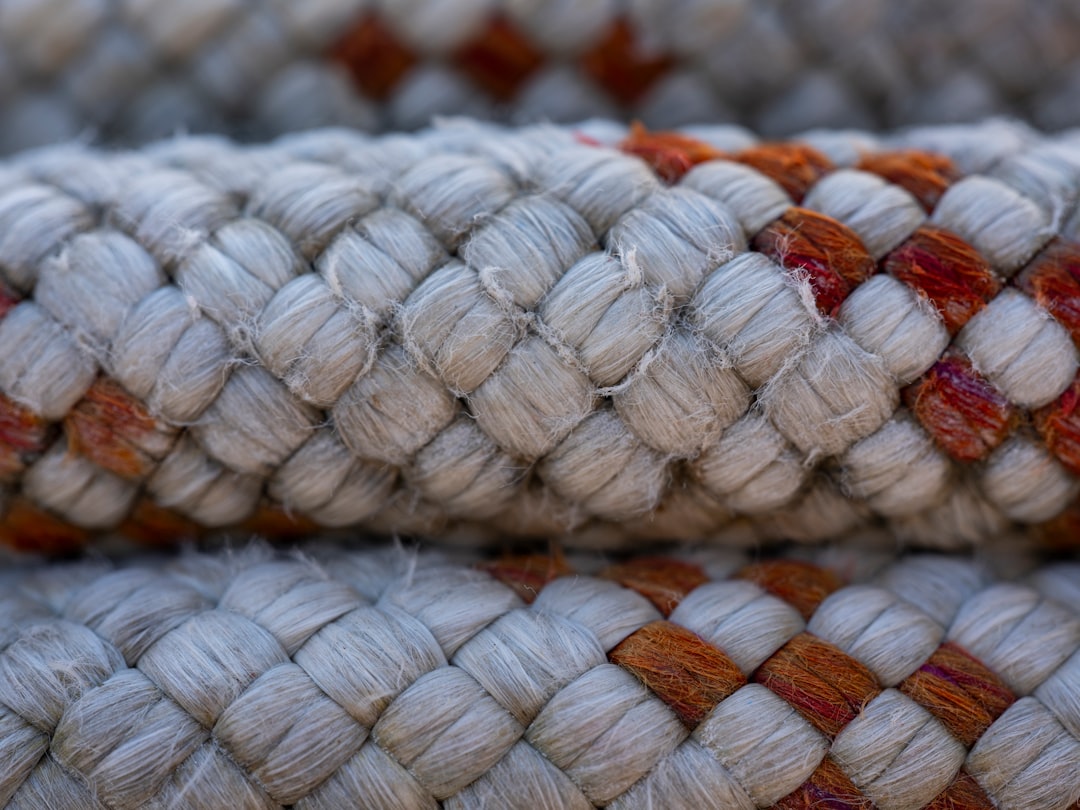
The true value of the 13MWZ Cowboy Cut lies in its functional beauty embedded in its details. At its 1947 launch, a host of innovative details, which connect to the present day, were incorporated through the expertise of Rodeo Ben.
- Zipper Fly Adoption: The adoption of a zipper fly at such an early stage as 1947 is a significant feature. This was a solution to the practical challenge of difficult on-and-off while on a horse’s saddle, a pressing issue in the rodeo arena. It was an early adoption, second only to Lee’s 101Z (from 1926-1927; sources differ), and predated Levi’s 501Z (from 1954) by seven years.
- Higher Back Yoke: This is a practical design that makes it easier to cover the waistband when shirts are tucked out and helps prevent shirts from riding up while on horseback.
- Deeper Front Pockets: The depth of the pockets is engineered to prevent wallets or tools from falling out while riding.
- Scratchless (Concealed) Rivets: The copper rivets are covered with fabric to avoid scratching the horse’s saddle. This differs in purpose from Levi’s hidden rivets (from 1937, only on back pockets), which were primarily for abrasion resistance.
- Embossed “W” Stitching: The distinct, large, arcing “W” stitch on the back pockets, unique to Wrangler, was established as a brand identifier, alongside Levi’s Arcuate and Lee’s Lazy S.
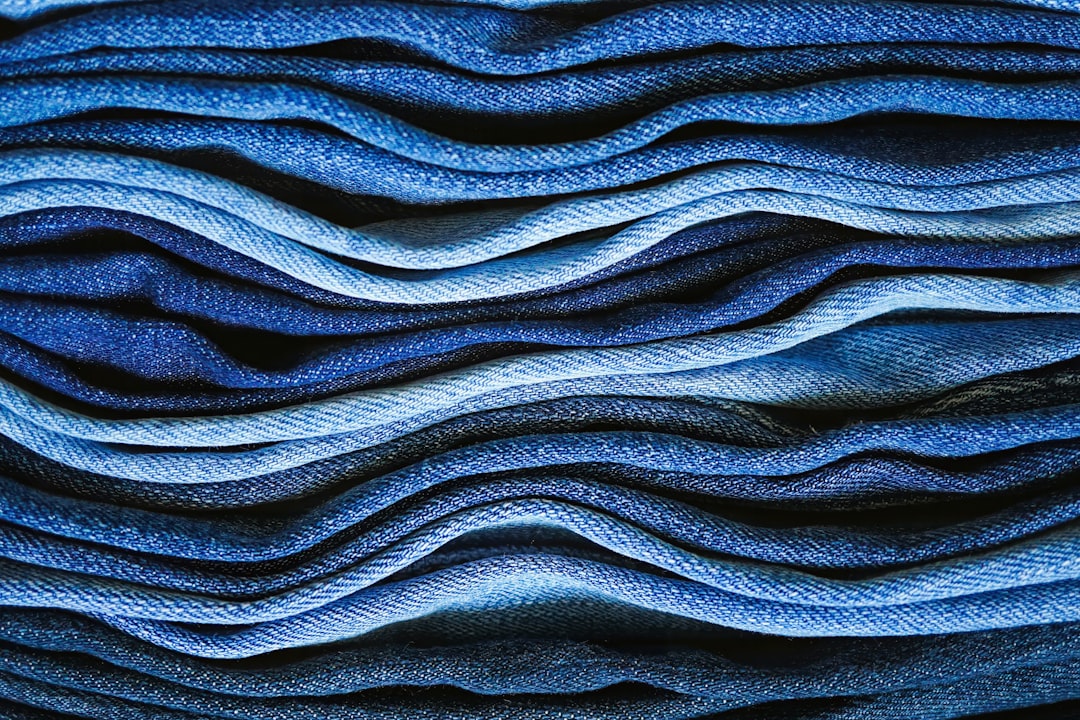
And as the second phase of innovation in the history of the Wrangler 13MWZ, broken twill was adopted in 1964. This was developed to resolve the phenomenon of “leg twist,” where the diagonal lines of conventional right-hand (RHT) or left-hand (LHT) twill denim fabrics would cause the legs to twist spirally after repeated washing and wear. Broken twill intentionally reverses the direction of the diagonal weave, creating a zig-zag pattern similar to a herringbone, which prevents twisting in either direction. With this innovation, Wrangler completed its dual differentiation of “functionalism as rodeo workwear (1947)” and “comfort free from leg twist (1964),” establishing the third axis of American denim twills, alongside Levi’s RHT 501 and Lee LHT 101.
4. How to Identify Authenticity and Age (Vintage vs. Replica)
To distinguish vintage Wrangler 13MWZ jeans, there are several key points to observe.
- Weave: One of the most reliable indicators for determining age is the fabric weave. From 1947 to 1963, it was a standard twill fabric (RHT or LHT), but from 1964 onwards, it transitioned to broken twill.
- Tags: Label designs, colors, and materials have changed over the years.
- Zipper Manufacturer: The manufacturer of the zipper, such as Talon, Crown, or YKK, provides clues for dating based on their transition periods.
- Patch: The original leather patch was later replaced by a paper patch.
- Rear Yoke and Pocket Shape: The stitching specifications of the rear yoke and the shape of the pockets also changed subtly with the years.
Careful observation of these details allows one to distinguish between genuine vintage items and modern replica models.
5. Notable Figures and Cultural Appearances
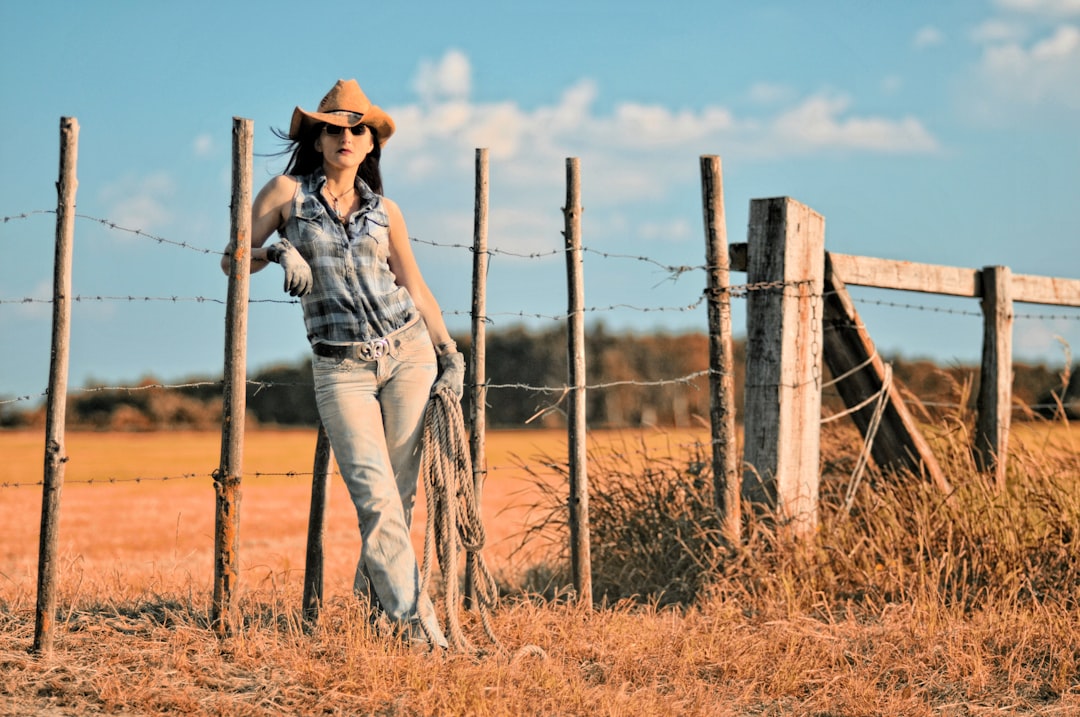
Since its inception, the Wrangler 13MWZ has been favored by numerous cowboys and country music stars. Notably, rodeo champion Jim Shoulders was involved in the development phase of the 13MWZ and contributed to its validation.
With the rise of country music in the 1980s, superstars like George Strait and Garth Brooks wore Wranglers, further solidifying the brand’s iconic status. Their stage costumes and private wear elevated Wrangler from mere workwear to a symbol of American country lifestyle.
6. Current Acquisition Sources (Vintage Market & Replica Brands)
The Wrangler 13MWZ Cowboy Cut can currently be acquired through several avenues.
- Vintage Market: In Japan, vintage 13MWZ jeans from various eras are available at vintage shops and online auction sites. Particularly, broken twill models from the 1960s to 1970s can command high prices due to their rarity. Deadstock items may range from ¥40,000 to over ¥120,000, while used items typically sell for ¥15,000 to ¥50,000, though prices fluctuate significantly based on condition and age.
- Replica Brands: Wrangler itself also offers current models that follow the original designs. In the US market, the 13MWZ continues to be officially sold as of 2025, demonstrating its enduring appeal. Additionally, some contemporary denim brands offer models incorporating design elements and broken twill characteristics from Wrangler.
7. Conclusion
The Wrangler 13MWZ Cowboy Cut is more than just a pair of jeans. It is a crystallization of innovation, pursuing functionality and comfort for those who live in the harsh environment of rodeo. Through Rodeo Ben’s design philosophy in 1947 and the groundbreaking technological innovation of broken twill in 1964, this garment has firmly established its position as the “third axis” in the history of American denim.
While Levi’s is known as a symbol of laborers and Lee as a symbol of rebellious spirit, Wrangler embodies the practicality of rodeo cowboys and the American heritage rooted in it. Its rugged yet refined details, and its functional beauty that remains timeless, will continue to captivate denim enthusiasts for generations to come. The Wrangler 13MWZ Cowboy Cut is an enduring story woven from the depth of denim as a material and the passion of the people who support it.
Sources:
- Official Wrangler — 13MWZ Cowboy Cut
- Wikipedia — Wrangler (brand)
- Heddels — Understanding Twills
- Long John.nl — The Beauty of Broken Twill
- Rope Dye — Wrangler SS13
- Wikipedia — Professional Rodeo Cowboys Association
- Cowboys & Indians magazine — The Story of Wrangler
Find Related Items
You can browse the models and items featured in this article at the stores below.
Related Articles
Levi's 507XX Type II: A Nine-Year Legend Forging the Evolution of Workwear
The Levi's 507XX Type II, a denim jacket that transcended workwear to become a fashion icon. This article delves into its origins, details, and enduring influence.

Levi's 506XX Type I: The Genesis of the Denim Jacket, Its Journey from 1936 to 1953
From its birth to evolutionary details, wartime changes, and cultural impact, a denim historian delves into the Levi's 506XX Type I jacket.
Beyond the 'Third': The Untold Evolution and Legend of Levi's 557XX Trucker Jacket
A deep dive into the history, design, cultural significance, and vintage market value of the Levi's 557XX (Type III) trucker jacket.