Bob Dylan and 1960s Greenwich Village: Denim Style in the Folk Scene
Cultural journalist delves into Bob Dylan's denim style within the 1960s Greenwich Village folk scene. What does jeans signify, deciphered from iconic album cover photos?
by editorial
This article contains affiliate links. We may earn a commission at no extra cost to you.
1. Bob Dylan as a Style Icon: His Presence Through Absence
Bob Dylan transcends the label of mere musician, having shaped a diverse range of cultural phenomena. While his music’s impact on society is immeasurable, his fashion sense, particularly his style during the Greenwich Village era of the early 1960s, quietly yet firmly exerted influence as a symbol of youth culture and counterculture at the time.
When Dylan is discussed as a “style icon,” he wasn’t the type to chase flashy outfits or the latest trends. Rather, his understated, natural, and unadorned yet distinctly individualistic style, which could almost be described as an “absence” of ostentation, resonated with and inspired many young people. Denim, which he wore daily and on stage, can be said to have been the quintessential item symbolizing his style.
2. The Story of Denim on the Cover of “The Freewheelin’”
No discussion of Bob Dylan’s style would be complete without mentioning the iconic cover photograph of his second album, “The Freewheelin’ Bob Dylan,” released in 1963. Shot on Jones Street in New York’s Greenwich Village with his then-partner Suze Rotolo, this image became definitive of Dylan’s persona.
In this symbolic photograph, Dylan is seen wearing a brown suede-like short jacket over dark to medium wash denim pants. While the brand, model, or specific details of the jeans are not discernible from the photo alone, his posture and the way they walk, supporting each other in the biting cold, exude a certain “realness” shared by the youths immersed in the folk scene of that era.
The photograph was taken by Columbia Records staff photographer Don Hunstein on a chilly February day in 1963. The wet street surface, still thawing from the snow, imbues the scene with a poetic atmosphere despite its depiction of urban everyday life. The jeans Dylan is wearing were likely well-worn from daily use, and their natural fade and comfortable silhouette suggested that he was not just a “performer” but a young man living in the real world.
Shop the items featured in this article
【今だけ2%OFFセール】【日本製】リーバイス ビンテージ クロージング LEVI'S VINTAGE CLOTHING 501XX 1955モデル ジーンズ…View on Rakuten → 【今だけ2%OFFセール】【日本製】リーバイス ビンテージ クロージング LEVI'S VINTAGE CLOTHING 501 1937モデル 501XX…View on Rakuten →3. The Cultural Impact of Denim Choices: From Workwear to Counterculture Uniform
In the early 1960s, Greenwich Village was the epicenter of folk music, bohemian culture, and social change movements. During this period, jeans evolved from mere workwear to increasingly represent a “uniform” within youth culture, particularly the counterculture.
The “tough,” “practical,” and “non-elitist” image of jeans, rooted in their workwear origins, was widely embraced in the folk and counterculture circles as a means of expressing resistance to established social norms and values. Bob Dylan’s choice to wear denim served not only to signify his belonging to the community but also as an act symbolizing his own “rebellious spirit” and yearning for “freedom.”
The denim depicted on the cover of “The Freewheelin’ Bob Dylan” visually conveyed this cultural significance. It represented not polished fashion, but an attitude of seeking something “authentic” rooted in everyday life. Fellow folk singers of the era, such as Joan Baez and Pete Seeger, also wore denim, suggesting that jeans functioned as a common language, or even a dress code, within the folk scene. Dylan’s style should be understood within this broader context of the scene, being more a reflection of the prevailing spirit of the times than solely his individual influence.
4. Details of the Denim Items Worn: The Possibility of Levi’s 501 and Lee 101
Pinpointing the exact brand and model of the jeans worn on the cover of “The Freewheelin’ Bob Dylan” is difficult based solely on the photograph. However, considering the context of the era and the representative models of denim commonly worn by young people at the time, it is highly likely to be either Levi’s 501 or a Lee 101 series model.
Typical Specifications of Levi’s 501 (Early 1960s):
- Tab: Big E Red Tab (adopted from 1936 to 1971, with a capital ‘E’)
- Patch: Jacron paper patch (introduced after 1955; prior leather patches were used until circa 1955)
- Rivets: Hidden rivets on back pockets (a feature adopted from 1937 to 1966)
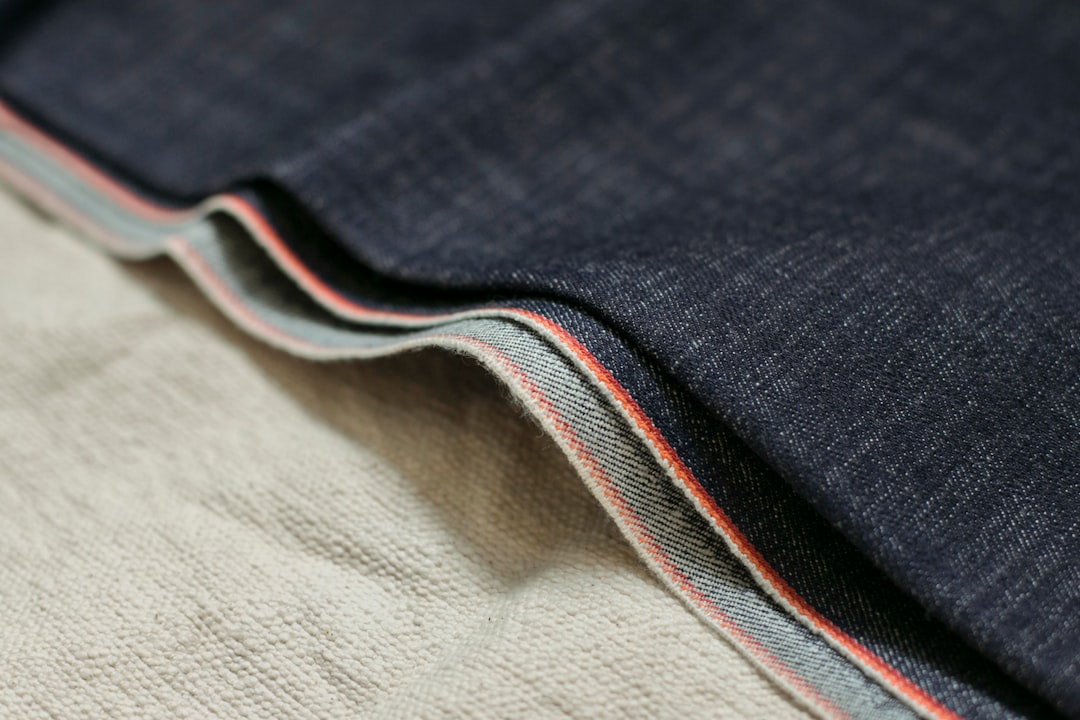
- Fabric: Right-hand twill (RHT) 3x1 denim, Selvedge (with an ear)
- Fly: Button fly
Typical Specifications of Lee 101 Series (Early 1960s):
- Tab: Lee Tab (a small woven label on the inseam, distinct from Levi’s “Red Tab”)
- Patch: Paper-type patch
- Back Pocket Reinforcement: After 1925, back pocket rivets were removed and replaced with X-tack (bar tack) reinforcement. This is a clear distinction from the hidden rivets on Levi’s 501.
- Fabric: Left-hand twill (LHT), 13.5-14 oz class
- Back Pocket Stitching: Lee’s iconic “Lazy S” stitching.
- Model Variations: Both 101B (button fly) and 101Z (zipper fly, introduced in 1926/1927) were available.
The silhouette visible in the photograph appears to be a relatively tight straight fit, but this can heavily depend on the shrinkage of the individual garment and the wearer’s build, making it difficult to definitively attribute to specific model variations. The jeans Dylan wore are presumed to be true “workwear” denim, faded naturally from daily wear.
5. How to Obtain Items with a Similar Vibe Today
There are several ways to acquire denim with the atmosphere of early 1960s Bob Dylan’s style today.
Exploring the Vintage Market
The most direct method is to search the vintage denim market. Levi’s 501 (Big E / hidden rivet era) and Lee 101 Riders (101B or 101Z) from the early 1960s remain highly popular among vintage enthusiasts. These models faithfully reproduce the specifications of the era (selvedge, hidden rivets, Lazy S stitching, etc.) and offer an authentic feel.
- Levi’s 501 (Big E / hidden rivet): You can find these by searching keywords like “501 Big E” or “501 hidden rivet” in vintage shops or online marketplaces. Well-preserved items tend to command higher prices.
- Lee 101 Riders: Search for “Lee 101B” or “Lee 101Z.” Again, individual pieces retaining their original details from that period are rare.
Reproduction Models by Brands
Contemporary brands also release models that faithfully reproduce past masterpieces.
- Levi’s Vintage Clothing (LVC): Levi’s vintage line, LVC, offers numerous models that meticulously recreate the details of specific years, such as the 501XX. By looking for models equivalent to the early 1960s 501, you can find items close to the original atmosphere.
- Lee Archives: Lee also rereleases its classic 101 Riders through its archive collection. You can obtain models that faithfully reproduce the specifications of the time, such as the button-fly 101B or the zipper-fly 101Z.
Recreating the “Vibe” with New Denim
It is possible to recreate the authentic atmosphere even with new denim.
- Silhouette: Choose models with a straight fit or a slightly slim straight fit.
- Fabric: Opting for right-hand twill (RHT) selvedge denim (Levi’s style) or left-hand twill (LHT) denim (Lee style) will enhance the overall feel.
- Color: Selecting raw denim (unsanforized) and patiently developing your own unique fade over time is the closest approach to replicating the style of that era.
Bob Dylan’s denim style was more than just fashion; it was a mirror reflecting the spirit of the age. Why not try expressing your own “real” style through denim, following his lead?
Find Related Items
You can browse the models and items featured in this article at the stores below.
Related Articles
Levi's 501 on the Cover of 『BORN IN THE U.S.A.』: An Icon of the 80s and the Evolution of Denim
The Levi's 501 featured on Bruce Springsteen's 『BORN IN THE U.S.A.』 album cover. A cultural journalist unravels the iconic 80s American symbol and the historical evolution of denim.
Marilyn Monroe and the Denim of 'River of No Return' (1954): JC Penney's 'Foremost' and the Diverse US Denim Market of the 1950s
The denim Marilyn Monroe wore in 'River of No Return' was JC Penney's private label 'Foremost'. This unexpected fact highlights the brand diversity in the 1950s American jeans market and the cultural impact of a fashion icon's surprising choice.
John Wayne and Wrangler: The Western Giant, Denim Icon, and the Frenzy of 1974
Western film icon John Wayne and the denim brand Wrangler. Centered around their 1974 advertising campaign, this article explores their relationship and cultural impact on denim history.