John Wayne and Wrangler: The Western Giant, Denim Icon, and the Frenzy of 1974
Western film icon John Wayne and the denim brand Wrangler. Centered around their 1974 advertising campaign, this article explores their relationship and cultural impact on denim history.
by editorial
This article contains affiliate links. We may earn a commission at no extra cost to you.
John Wayne and Wrangler: The Western Giant, Denim Icon, and the Frenzy of 1974
Denim, a quintessential symbol of American casual wear. Among its many facets, the “cowboy” style, which defined the golden age of Western films and captivated countless admirers, is inseparable from denim jeans. And when one speaks of the embodiment of the cowboy image, the name John Wayne undoubtedly comes to mind. In 1974, this titan of the West became the official ambassador for the denim brand Wrangler, igniting a massive sensation. This article delves deeply into the legendary relationship, primarily centered around 1974, between style icon John Wayne and Wrangler’s “13MWZ Cowboy Cut” jeans, and their cultural impact.
1. Why is John Wayne a Style Icon?
John Wayne. The mere mention of his name evokes images of tough, taciturn, and above all, “authentic” men on screen. The characters he portrayed, set against the vast backdrop of the West, symbolized American ideals and the fading spirit of the frontier through their unwavering beliefs and resilience in the face of adversity. Beyond the screen, Wayne cherished a cowboy lifestyle in his private life, and his very presence imbued the West and the material of denim with a special significance. His attire was not merely fashion; it was a mirror reflecting his way of life, presenting an ideal that many aspired to emulate.
Shop the items featured in this article
ラングラー Wrangler 13MWZ カウボーイカットジーン リジッド COWBOY CUT JEAN RIGID 生デニム | ジーンズ メンズ 定番…View on Rakuten → 【今だけ2%OFFセール】【日本製】リーバイス ビンテージ クロージング LEVI'S VINTAGE CLOTHING 501XX 1955モデル ジーンズ…View on Rakuten →2. Key Denim Scene: The “Event” of the 1974 Advertising Campaign
The relationship between John Wayne and Wrangler solidified in 1974. Wrangler, then a brand under Blue Bell, appointed John Wayne as its official ambassador that year, launching a large-scale advertising campaign. This campaign was more than just using a celebrity spokesperson. Wayne’s image as an “authentic cowboy” perfectly aligned with Wrangler’s long-standing brand identity, built on the history of designing “jeans engineered for the true cowboy.”
In television commercials and print advertisements, John Wayne was depicted wearing Wrangler jeans, his rugged physique and unwavering gaze complementing the apparel. These visuals powerfully and persuasively conveyed that Wrangler was not just workwear but an item embodying the frontier spirit inherited from the American West and the pride of the cowboy. Notably, 1974 was a period when American casual wear began gaining global attention, and the pairing of Wrangler and Wayne was a significant factor in driving that trend.
3. The Cultural Impact of His Denim Choice
John Wayne’s endorsement of Wrangler forged an unprecedentedly strong bond between the legacy of Western films and denim apparel. His on-screen appearances and the 1974 advertising campaign contributed to an even clearer association in the public mind: “cowboy equals denim.” This extended beyond the mere proliferation of jeans as clothing; it provided an opportunity for people to re-recognize American values such as the vastness of the West, freedom, and independence through the material of denim.
The campaign also brought immense success to Wrangler. John Wayne’s fervent fan base and Western film enthusiasts trusted the Wrangler jeans he wore as “authentic,” greatly stimulating their purchasing desire. Although the endorsement continued until Wayne’s passing in 1979, the brand building over these five years marked a crucial turning point, elevating Wrangler from a mere workwear brand to an iconic denim brand that embodied the cowboy spirit.
4. Details of the Item Worn: Wrangler “13MWZ Cowboy Cut”
The model that John Wayne wore in the 1974 campaign and which became a Wrangler icon is the “13MWZ Cowboy Cut.” This model was first introduced in 1947 by Blue Bell, in collaboration with Bernard “Rodeo Ben” Lichtenstein, a rodeo performer and tailor, as truly “jeans engineered for the true cowboy.”
The “MWZ” in 13MWZ stands for “Men’s Western Zipper,” and a remarkable feature was that its front fly was equipped with a zipper from its launch (1947). This distinguished it from Levi’s 501 (button fly) and Lee 101 (standard button fly). While the Lee 101Z holds a solid position as an early example of a zipper fly, the differentiation of the Wrangler 13MWZ lay in its rigorous cowboy specifications, developed with input from active professional rodeo athletes.
Furthermore, the 13MWZ was packed with details designed to meet the practical needs of cowboys, such as ” scratchless / concealed rivets ” covered by fabric to prevent saddle damage, and the ” embossed W stitch ” on the back pockets.
A more significant evolution came in 1964 with the introduction of ” Broken Twill ” (reverse twill), a revolutionary feature at the time aimed at reducing leg twist. By 1974, when John Wayne was endorsing the brand, the 13MWZ had already transitioned to this Broken Twill specification, which is now the standard for what is evaluated as “1970s 13MWZ” in the vintage market. It’s also a crucial detail in the brand’s history that it initially used regular twill (in 1947).
Brand, Model, and Era of the Item Worn:
- Brand: Wrangler
- Model: 13MWZ Cowboy Cut
- Era: 1974 (during the endorsement campaign) - The 13MWZ from this period features Broken Twill.
5. Where to Find Similar Items Today
Original vintage Wranglers from the era John Wayne wore, particularly the 1970s 13MWZ, remain highly sought after in the collector’s market. However, authentic vintage pieces, especially those specifically identifiable as worn by John Wayne himself, are extremely rare and their value is immeasurable.
Fortunately, Wrangler respects its heritage and continues to offer models that carry on the spirit of the 13MWZ Cowboy Cut. Models that faithfully reproduce the details of that era, such as the current “Wrangler 13MWZ”, as well as variations updated with modern silhouettes, are available. These can be found on Wrangler’s official websites in the US, at select shops, and online stores.
To capture the atmosphere of the 1974 campaign period, consider looking for the following:
- Wrangler’s current “13MWZ Cowboy Cut”: This is the brand’s flagship model and strongly inherits the spirit of the cowboy cut from that time.
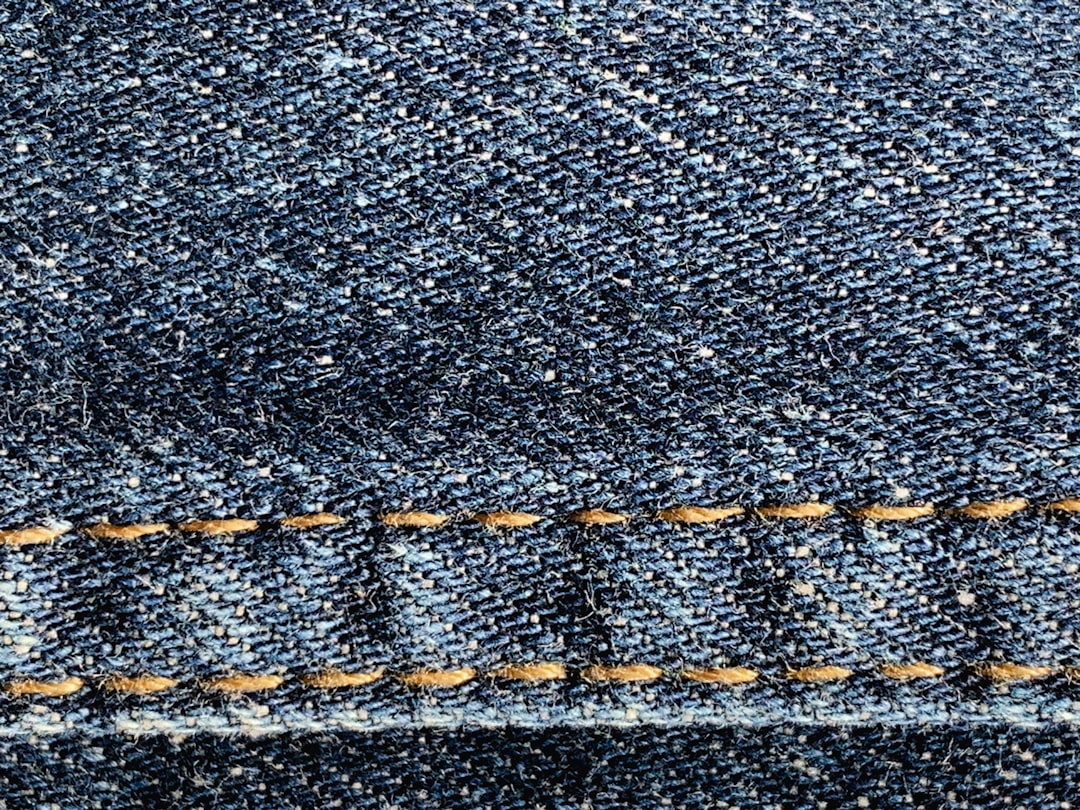
- Models featuring Broken Twill: Characterized by its unique diagonal weave, found in models from 1964 onwards.
- Zipper Fly: A signature detail of the 13MWZ.
- “W” Stitch: The “W” stitch on the back pockets adds to the distinctive Wrangler look.
These items are sure to evoke Wrangler’s commitment to authenticity and the Western spirit embodied by John Wayne. By wearing them, you too can be transported to the fervor of that era and contemplate the vast landscapes of the West.
Find Related Items
You can browse the models and items featured in this article at the stores below.
Related Articles
Bob Dylan and 1960s Greenwich Village: Denim Style in the Folk Scene
Cultural journalist delves into Bob Dylan's denim style within the 1960s Greenwich Village folk scene. What does jeans signify, deciphered from iconic album cover photos?
Levi's 501 on the Cover of 『BORN IN THE U.S.A.』: An Icon of the 80s and the Evolution of Denim
The Levi's 501 featured on Bruce Springsteen's 『BORN IN THE U.S.A.』 album cover. A cultural journalist unravels the iconic 80s American symbol and the historical evolution of denim.
Marilyn Monroe and the Denim of 'River of No Return' (1954): JC Penney's 'Foremost' and the Diverse US Denim Market of the 1950s
The denim Marilyn Monroe wore in 'River of No Return' was JC Penney's private label 'Foremost'. This unexpected fact highlights the brand diversity in the 1950s American jeans market and the cultural impact of a fashion icon's surprising choice.